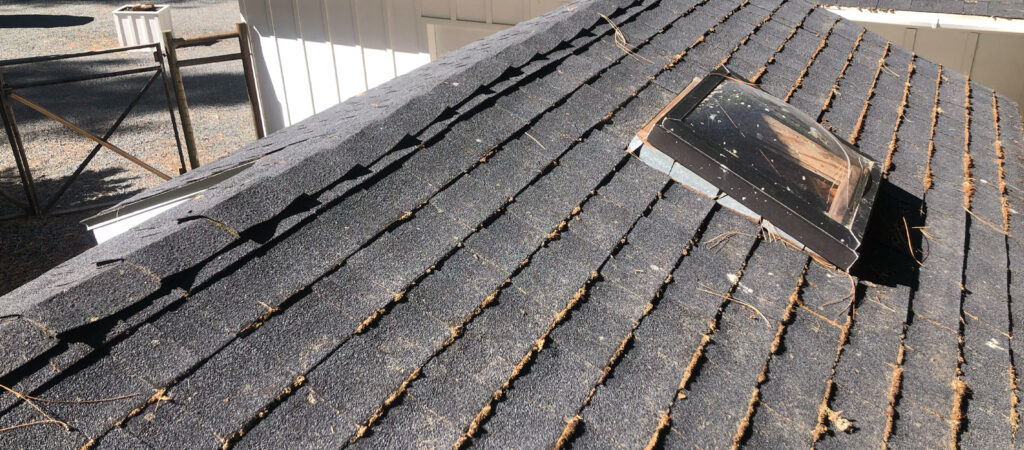
Why Moss Grows on Some Roofs Faster Than Others
Key Takeaways
-
Moss grows fastest where roofs stay damp longer
-
Shade is one of the biggest reasons certain roof sections develop moss first
-
Debris buildup helps hold moisture and creates better conditions for moss
-
North-facing and tree-covered roof slopes are often the most vulnerable
-
Roof design, material, and drainage patterns can all affect moss growth
-
Southern Oregon homes often have the exact mix of conditions moss prefers
If you have ever looked around your neighborhood and noticed one roof covered in moss while another looks mostly clear, you are not imagining things.
Roof moss does not grow evenly from house to house — or even from one side of the same roof to the other.
That is because moss growth depends on a mix of conditions, not just one cause. Shade, moisture, debris, roof design, and how quickly a roof dries all play a role. In Southern Oregon, where many homes deal with tree cover, seasonal moisture, and slower-drying roof sections, those conditions can come together quickly.
This guide explains why moss grows on some roofs faster than others, why certain slopes get hit first, and what homeowners can do to reduce the conditions that help moss take hold.
Moisture Is Usually Where the Problem Starts
Moss needs consistent moisture to establish and spread.
That does not mean a roof has to be soaking wet all the time. More often, the issue is that certain sections stay damp longer than they should after rain, fog, frost, or overnight condensation.
When a roof dries slowly, moss has a better chance to take hold. Once it starts growing, it can hold even more moisture in place, making those same areas stay damp even longer. That is one reason moss tends to worsen over time instead of staying small and isolated.
On Southern Oregon homes, this often shows up most clearly during wetter parts of the year, especially on roof sections that already struggle to dry out.
Shade Allows Moss to Stay Established
Shade is one of the biggest reasons moss grows heavily on one part of a roof while other sections stay mostly clear.
Direct sunlight helps roofs dry faster. When a section gets limited sun because of mature trees, nearby structures, or roof orientation, moisture tends to linger longer. That creates a much better environment for moss.
This is especially common in homes with:
-
Dense tree cover
-
Overhanging branches
-
Narrow spaces between houses
-
Roof sections blocked from morning or afternoon sun
Even small differences in shade can matter. A roof does not need to be fully covered by trees to start developing moss in certain sections.
Why North-Facing Roof Slopes Often Get Moss First
One of the most common patterns homeowners notice is that moss shows up on one side of the roof first.
In many cases, that side is the north-facing slope.
North-facing roof sections usually get less direct sunlight, which means they stay cooler and damp longer. That slower drying time gives moss a better chance to establish itself, especially when shade and debris are also part of the picture.
That does not mean every north-facing roof will grow heavy moss, and it does not mean south-facing slopes are immune. But when homeowners ask why one side of the roof looks worse than the other, roof orientation is often a major reason.
Debris Helps Moss Take Hold
Moss does not need a pile of leaves to start growing, but debris definitely helps.
When leaves, pine needles, twigs, and organic material collect on a roof, they trap moisture and create a better surface for moss to establish. This is especially common in roof valleys, behind chimneys, near transitions, and along lower roof edges where debris tends to collect and stay put.
Debris also slows drying and can make certain sections of the roof stay damp longer after rain.
Homes surrounded by mature trees often deal with this cycle repeatedly:
-
Debris collects
-
Moisture gets trapped
-
Moss starts growing
-
More debris gets held in place
-
The problem spreads faster
That is one reason the same roof sections often get moss year after year.
Roof Design Can Make Moss Worse
Some roofs are simply more prone to moss than others.
A roof that drains and dries efficiently is less likely to support heavy moss growth than one with slower-drying, debris-prone sections.
Features that can make a roof more vulnerable include:
-
Complex rooflines
-
Valleys that collect debris
-
Lower-pitch sections that dry slowly
-
Areas behind chimneys or dormers
-
Transitions where runoff slows down
-
Gutters that back up or hold debris nearby
This is part of why two homes in the same neighborhood can have very different moss problems. The local climate may be the same, but roof layout and drainage patterns are not.
Some Roofing Materials Are More Vulnerable Than Others
Roofing material can also influence how easily moss gets established.
Rougher or more textured surfaces can give moss a better foothold than smoother ones. Older roofs may also be more vulnerable because wear, age, and accumulated debris can create a better environment for growth.
For example:
-
Older composition roofs may stay rougher and hold debris more easily
-
Cedar roofs are naturally more moisture-sensitive and can stay damp longer
-
Certain textured surfaces can make it easier for moss to settle in
-
Roofs with aging granule loss may not shed debris and moisture as efficiently
This does not mean one roofing material guarantees moss, and another prevents it completely. It just means some roofs are more forgiving than others when moisture and shade are present.
Why Moss Gets Worse Faster on Some Homes Than Others
Once moss starts, it often creates conditions that help it spread.
That is why one small patch can turn into a much larger problem over time.
As moss grows, it can:
-
hold moisture in place longer
-
catch additional debris
-
slow drying in affected areas
-
spread into nearby shingle edges and textured sections
Homes with multiple contributing factors — like shade, heavy tree cover, debris, and slow drainage — tend to see this happen faster than sunnier, simpler roofs.
That is also why some homeowners feel like moss “suddenly appeared everywhere” even though the conditions had likely been building for a while.
Why Moss Is So Common on Southern Oregon Roofs
Southern Oregon has many of the conditions that roof moss likes best.
Depending on the property, common contributors can include:
-
Seasonal rain and damp periods
-
Mature trees and heavy shade
-
North-facing roof slopes
-
Pine needles and leaf debris
-
Roof sections that dry slowly in cooler months
In other words, many local homes are not dealing with just one moss-friendly condition. They are dealing with several at once.
That helps explain why moss is such a common maintenance issue across the region, especially on homes with older roofs or tree-covered lots.
What Homeowners Can Actually Control
You cannot change the weather, and you may not be able to change the direction your roof faces. But there are several factors that homeowners can influence.
Practical steps include:
-
Trimming branches that create heavy shade over the roof
-
Keeping roof valleys and gutters clear of debris
-
Watching north-facing or slower-drying sections more closely
-
Addressing moss early before it becomes thick and established
-
Staying ahead of recurring problem areas instead of waiting for widespread growth
The goal is not to eliminate every moss-friendly condition. It is to reduce the ones you can control so the roof dries faster and stays cleaner.
Final Thought
Roof moss usually is not caused by one single issue.
It grows fastest where moisture lingers, shade limits drying, debris collects, and roof conditions allow the problem to keep building over time. That is why some homes deal with repeat moss growth while others nearby see very little.
If you are trying to figure out why moss keeps showing up on your roof, it often helps to look beyond the moss itself and focus on the conditions supporting it.
For a broader look at what to do once moss is already present, see our roof moss removal and prevention guide. If you are trying to understand the damage side of the issue, it also helps to know the early signs roof moss is damaging your roof.
FAQs
-
Moss grows on roofs where moisture lingers long enough for it to establish. Shade, debris, slow drying, and cooler roof sections all make moss growth more likely.
-
Moss often appears first on the side of the roof that gets less sunlight and stays damp longer. North-facing slopes and shaded areas are common starting points.
-
Yes. Trees can make roof moss worse by creating shade and dropping leaves, needles, and debris that hold moisture on the roof surface.
-
Roof moss is common in Southern Oregon because many homes have a mix of seasonal moisture, mature trees, shade, and slower-drying roof sections.
-
Homeowners can reduce roof moss growth by trimming overhanging branches, keeping gutters and roof valleys clear, and addressing early moss buildup before it spreads.