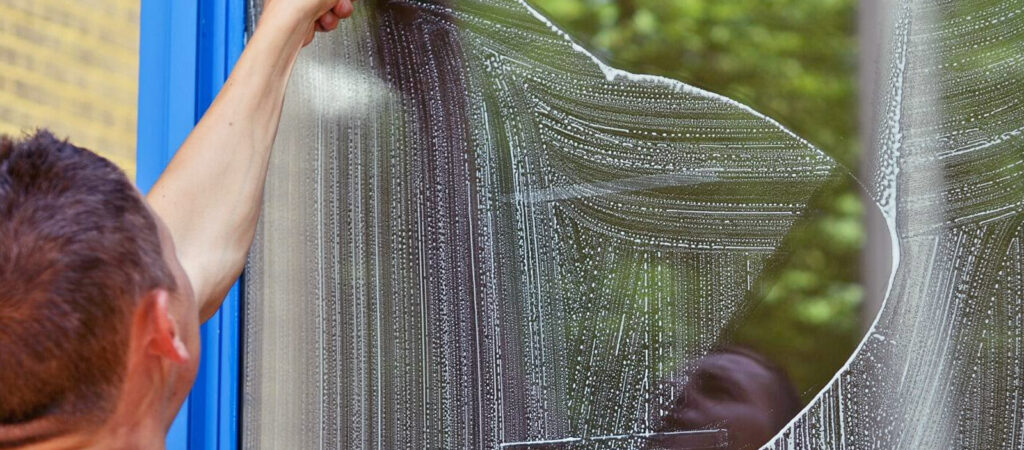
Streaky Windows After Cleaning – Common Causes and How to Prevent It
Key Takeaways
Streaky windows are not always caused by poor effort. Often, the issue is residue, timing, or the type of buildup on the glass.
Direct sun, dirty tools, leftover residue, and mineral spotting are some of the most common causes.
Dirty screens, frames, and tracks can make a window still look unfinished even when the glass is cleaner.
Some streaks are actually hard water deposits or haze rather than normal cleaning streaks.
DIY cleaning can work for light maintenance, but repeated streaking often points to a deeper issue.
The best fix depends on whether the problem is technique, buildup, or the glass itself.
Few things are more frustrating than cleaning your windows and still seeing streaks when the light hits the glass. Sometimes the problem is simple. Other times, what looks like streaking is actually residue, mineral spotting, dirty edges, or buildup around the window that was never fully addressed. This guide explains the most common causes of streaky windows, why the problem keeps happening, and what homeowners in Southern Oregon can do to get better results.
Why Windows Still Look Streaky After Cleaning
A lot of homeowners assume streaks mean the windows were simply not cleaned well enough. Sometimes that is true. But in many cases, the bigger issue is that the wrong kind of problem is being treated the wrong way.
What looks like streaking may actually be:
- leftover residue
- minerals on the glass
- dirty edges or frames
- fine smoke or pollen film
- dirty tools spreading buildup around
- water drying too fast in the sun
That is why windows can look better right after cleaning, then suddenly look streaky once the light changes.
What Causes Streaky Windows Most Often
There is usually more than one possible cause. These are the most common ones.
Cleaning in Direct Sun
This is a classic problem. When the glass is hot or in direct sunlight, water and cleaning solution can dry too quickly before they are fully worked or removed. That often leaves behind streaks, lines, or uneven patches.
This is one reason timing matters more than many homeowners realize. For more on seasonal timing, see Best Time of Year for Window Cleaning in Southern Oregon.
Dirty or Worn-Out Tools
Dirty towels, poor-quality paper towels, old squeegees, or tools with residue already on them can spread grime rather than remove it.
Instead of leaving the glass cleaner, they may leave behind:
- lint
- fine smear lines
- uneven moisture trails
- redistributed residue
This is one reason homeowners sometimes feel like they are just moving the problem around.
Leftover Cleaning Residue
Sometimes the issue is not dirt at all. It is residue from previous cleaning attempts, leftover solution, or product buildup that never came off completely.
When that residue gets smeared across the glass, the window can look:
- cloudy
- filmy
- streaked in certain light
- worse after drying than it looked while wet
Dirty Edges, Frames, and Tracks
A window can still look streaky if the surrounding areas are dirty enough to re-contaminate the glass during cleaning. Dust and grime around the frame edges, sills, and tracks can easily get pulled back onto the glass.
That is one reason the full window area matters more than many people expect.
For more on that, see Window Screens, Tracks, and Frames.
Hard Water Spots Mistaken for Streaks
This is a big one.
Sometimes what looks like streaking is actually mineral spotting or hard water residue that ordinary cleaning does not remove. In those cases, the homeowner may clean the windows repeatedly and still feel like the glass looks streaky.
If the marks seem locked in place or keep showing up no matter how carefully the glass is cleaned, the issue may be mineral-related rather than technique-related.
For more on that, see Hard Water Spots on Windows.
Smoke Film, Dust, and Fine Haze
Not all streaky-looking windows have obvious hard water spots. Sometimes there is a thin layer of smoke film, pollen, dust, or fine residue that creates a dull, uneven appearance across the glass.
This is especially common after wildfire season or during dusty dry stretches. In those cases, the problem may look like streaking even though it is really a uniform layer of residue.
For more on that issue, see Smoke Film on Windows After Wildfire Season.
Why Some Windows Look Worse Than Others
It is common for only certain windows in the home to look especially streaky.
That often happens because those windows are dealing with:
- more direct sun
- more sprinkler overspray
- heavier pollen or dust exposure
- more interior fingerprints or smudges
- dirtier screens or frames
- a different viewing angle that makes streaks easier to see
This is why homeowners often say, “Only these few windows look bad,” even when the whole house was cleaned the same day.
When “Streaks” Are Really a Different Problem
This is where a lot of frustration comes from. The issue may not actually be streaking in the usual sense.
Mineral Buildup
Mineral deposits can leave lines, spotting, or haze that look like poor cleaning but are really a separate issue.
Residue Film
Smoke, pollen, or cleaning product residue can leave a light film that makes the glass look uneven rather than sharply streaked.
Etched Glass
Older hard water damage may leave marks that seem like streaks but are actually changes in the glass surface itself.
Dirty Screens Making the Glass Look Worse
Sometimes the glass is cleaner, but dirty screens are still dulling the view and making the window appear less clear than it really is.
Common DIY Mistakes That Lead to Streaks
DIY window cleaning can work for some homes, but there are a few common mistakes that make streaks much more likely.
Using Too Much Product
More cleaner does not always mean a better result. Too much solution can leave more residue behind if it is not fully removed.
Using the Wrong Cloth or Paper Towels
Low-quality towels or paper products often leave lint, smears, or uneven wipe marks.
Cleaning Hot Glass
When the glass is hot, drying happens too fast and leaves less time to remove moisture cleanly.
Ignoring the Edges
If the edges, frames, or nearby surfaces are dirty, they can reintroduce grime during the cleaning process.
Repeating the Same Method on Mineral Spots
If the problem is hard water buildup, repeating the same standard cleaning method usually does not fully solve it.
For a broader comparison, see DIY vs. Professional Window Cleaning.
How to Prevent Streaky Windows
The best prevention depends on what is causing the problem, but these practices help in many cases.
Clean in Better Conditions
Cooler parts of the day usually work better than bright, hot direct sun. This gives the glass more time to be cleaned properly before moisture dries.
Use Clean, Quality Tools
Clean tools matter. Dirty or worn tools often create streaks even when the technique is decent.
Address the Full Window Area
If the goal is for the windows to actually look finished, it helps to pay attention to:
- screens
- frame edges
- tracks
- residue around the glass
Catch Mineral Spotting Early
Light hard water spotting is usually easier to improve than older buildup. If your windows are getting hit by irrigation, it helps to address that early.
For more on that, see Sprinkler Overspray on Windows.
Clean Often Enough
Waiting too long usually makes the problem harder. The more buildup that accumulates, the more likely the finished result will still look off.
For guidance on scheduling, see How Often Should You Clean Windows in the Rogue Valley.
Why Some Streaks Keep Coming Back
If windows keep looking streaky no matter how often they are cleaned, the issue is often deeper than simple technique.
Recurring streak-like problems usually point to:
- mineral deposits from water exposure
- repeated overspray from sprinklers
- lingering smoke or dust film
- old residue on the glass
- glass that has already been etched
- dirty surrounding surfaces affecting the result
That is why some homeowners end up cleaning the same windows over and over without getting the clarity they expected.
When Professional Window Cleaning Makes More Sense
Professional help often makes more sense when:
- the windows still look streaky after repeated DIY attempts
- the home has many windows
- the streaking is actually hard water buildup or heavy residue
- the finished appearance really matters
- the windows need more than a quick wipe-down
- access or detail work is becoming difficult
For a broader overview of what the service can include, see Window Cleaning in Southern Oregon.
You can also learn more about BUX’s residential Window Cleaning service.
Is Streaking a Cost Factor?
Sometimes.
If the streaking is just a simple maintenance issue, it may not affect the job much. But if the problem turns out to be mineral spotting, neglected residue, dirty screens and tracks, or a more detailed service need, the labor and scope may change.
For more on that, see Cost to Clean Windows in Southern Oregon.
What Homeowners in Southern Oregon Should Expect
Southern Oregon windows often deal with more than just ordinary dirt. Pollen, smoke film, irrigation spotting, and dry-season dust all affect how the glass looks and how easy it is to get a streak-free finish.
That does not mean every home needs the same level of service. But it does mean that streaky windows are often a symptom of a bigger issue than simple cleaning effort.
The goal is not always perfection. Sometimes it is understanding whether the problem is:
- basic residue
- timing
- technique
- mineral buildup
- or glass that has already been damaged
Once that is clear, it becomes much easier to choose the right solution.
Need Help With Streaky Windows in Southern Oregon?
If your windows still look streaky after repeated cleaning, BUX Exterior Cleaning provides residential Window Cleaning in Southern Oregon with honest expectations about whether the issue is technique, residue, mineral spotting, or something more permanent.
FAQs
-
Common causes include leftover residue, dirty tools, direct sun, dirty edges, mineral spotting, or film on the glass from dust or smoke.
-
No. Sometimes the issue is hard water deposits, smoke haze, or residue that ordinary cleaning does not fully remove.
-
Yes. Mineral deposits can leave marks or haze that homeowners often mistake for streaking.
-
Yes. Even when the glass is cleaner, dirty surrounding areas can still make the window look unfinished.
-
Better timing, clean tools, addressing the full window area, and dealing with mineral spotting early all help.