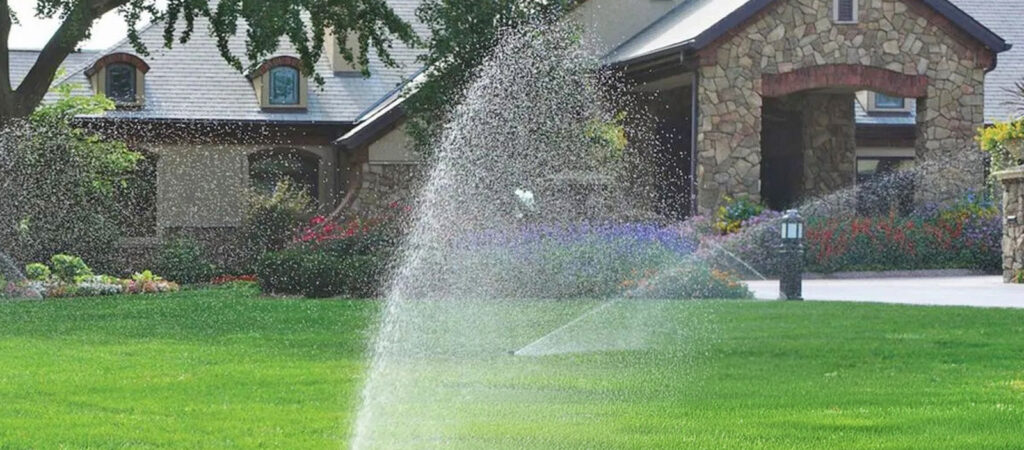
Sprinkler Overspray on Windows – Why Windows Spot Fast
Key Takeaways
Sprinkler overspray is one of the most common causes of recurring window spots.
The problem is usually caused by mineral deposits left behind as water dries on the glass.
Some spotting is easy to clean off early, but repeated overspray can lead to heavier buildup over time.
Windows near landscaping, lawns, and side yards are often affected the most.
Cleaning the glass helps, but the spotting usually returns if the overspray pattern does not change.
The best long-term fix is to reduce the water hitting the windows in the first place.
If your windows keep spotting up shortly after they are cleaned, sprinkler overspray may be the reason. This is one of the most common causes of recurring window spotting, especially during Southern Oregon’s dry season. This guide explains why irrigation overspray leaves marks on glass, why the problem keeps coming back, and what homeowners can do to slow it down.
Why Windows Spot Again So Fast After Cleaning
A lot of homeowners assume their windows are just getting dusty again. Sometimes that is true. But when the same windows keep developing spots, streaky mineral marks, or cloudy patches shortly after cleaning, the real issue is often water rather than dirt.
When sprinkler water hits the glass and dries, it leaves behind mineral deposits. Those deposits build up little by little, especially during hot, dry weather when the water evaporates quickly.
That is why some windows seem to spot up almost immediately while others on the same house stay cleaner much longer.
What Sprinkler Overspray Actually Does to Windows
Sprinkler overspray is more than a little mist on the glass. Over time, it creates a repeated cycle:
- water hits the window
- the water dries
- minerals stay behind
- more water hits the same area again
- the buildup becomes more noticeable
At first, the windows may just look slightly spotted or dull. Over time, the marks can become:
- white dots
- cloudy film
- drip patterns
- hazy residue
- stubborn mineral deposits
This is one reason some windows never seem to look fully clean for very long.
Why This Is So Common in Southern Oregon
Southern Oregon homes often deal with long dry periods, regular irrigation, and warm conditions that cause water to evaporate quickly. That combination is perfect for repeated window spotting.
The issue is especially common during:
- late spring
- summer
- early fall
- irrigation-heavy periods when landscaping gets frequent watering
Homes with lawn sprinklers, drip systems that spray wider than expected, or beds planted close to the house often see the problem the most.
Which Windows Usually Get Hit the Worst
Sprinkler overspray usually does not affect every window equally. It tends to show up most on windows that sit near active irrigation or receive repeated water exposure from the same angle.
Windows Near Lawns and Planting Beds
These are some of the most common problem windows. If sprinkler heads are aimed a little too high or too close to the house, the mist can hit the same sections of glass over and over.
Side Yard Windows
Narrow side yards often create overspray issues because sprinkler heads are close to the home and have less room for error.
Lower Windows Near Landscaping
Ground-level windows near grass, shrubs, or flower beds are often the first to spot because they sit closest to the water source.
Windows Near Walkways and Patio Edges
These areas sometimes get overspray from irrigation meant to cover surrounding plants or lawn edges, even if it is not obvious at first glance.
What Sprinkler Overspray Spots Look Like
Overspray spotting can show up in a few different ways, depending on how long it has been happening and how heavy the mineral content is.
Common signs include:
- small white spotting
- hazy patches on the lower part of the glass
- patterned drip marks
- dull-looking windows that never seem fully clear
- spots that come back quickly after cleaning
The windows may look worse in direct sun, or after the rest of the house has been cleaned and the glass still looks muted.
Why the Spots Keep Coming Back
This is the part that frustrates homeowners the most.
The windows may clean up well, but if the irrigation pattern stays the same, the problem usually returns. The issue is not that the cleaning failed. The issue is that the source of the spotting is still active.
That is why some homes seem stuck in a cycle:
- the windows get cleaned
- they look better
- the sprinklers keep hitting them
- the spots return
Until the overspray is reduced, the windows often keep repeating that cycle.
How Sprinkler Overspray Turns Into Hard Water Buildup
Fresh spotting is often easier to deal with than older buildup. But once overspray keeps hitting the same windows week after week, the mineral deposits have more time to accumulate and bond to the surface.
That is when the issue starts moving from:
- light spotting
to - noticeable mineral buildup
to - potentially etched glass in more severe cases
This is why early attention matters. A window that could have been cleaned up fairly easily earlier may become much harder to restore after repeated exposure over multiple seasons.
For more on that progression, see Hard Water Spots on Windows.
Why Some Homes Have More Trouble Than Others
Not every home deals with sprinkler overspray the same way. A lot depends on the layout of the property and the irrigation setup.
Factors that often make the problem worse include:
- sprinkler heads placed close to the house
- overspray reaching the glass at a high angle
- frequent watering schedules
- windows that get strong sun and fast evaporation
- mineral-heavy water
- repeated exposure on the same few windows
Two neighboring homes can have very different results depending on how their irrigation is set up.
What Cleaning Can and Can’t Fix
Cleaning helps remove the spotting and improve the appearance of the glass. But cleaning alone does not solve the whole problem if the overspray continues.
What Cleaning Can Help With
Window cleaning can often:
- remove light mineral spotting
- improve clarity
- reduce haze and film
- restore a cleaner overall appearance
- address early-stage buildup before it gets worse
Our Window Cleaning service page explains how BUX handles residential window cleaning based on the condition of the windows and the level of service needed.
What Cleaning Can’t Fully Solve on Its Own
Cleaning does not stop:
- the sprinklers from hitting the windows again
- new mineral deposits from forming
- long-term buildup from returning if nothing changes
- older etched damage from becoming permanent
That is why the best results usually come from both cleaning the glass and reducing the water exposure.
How to Slow Window Spotting Down
The good news is that many overspray issues can be improved by making small adjustments.
Adjust the Sprinkler Direction
This is often the most effective fix. If the sprinkler head is spraying directly at the window or too close to it, changing the angle can make a big difference.
Reduce the Spray Height
Sometimes the water is simply shooting higher than it needs to. Lowering the trajectory can help keep the mist on the lawn or planting bed instead of the house.
Change Watering Coverage Near the Home
In some cases, the irrigation pattern itself may need to be adjusted so the windows are not getting hit repeatedly.
Pay Attention to the Worst Windows First
You do not always have to overhaul the whole system. Often, the issue is concentrated on a handful of windows that are getting hit the most.
Clean the Glass Before the Buildup Gets Heavy
Routine maintenance usually works better than waiting until the spotting becomes severe.
For guidance on timing, see How Often Should You Clean Windows in the Rogue Valley.
When Sprinkler Spotting Becomes a Bigger Problem
Sprinkler overspray becomes a bigger issue when:
- the same windows get hit every day or several times a week
- the spotting is left to bake on through summer heat
- the buildup has been happening for a long time
- the windows are already showing harder mineral deposits
- the glass still looks spotted even after basic cleaning
At that point, the issue is no longer just an occasional nuisance. It becomes an ongoing maintenance problem.
When Professional Window Cleaning Makes Sense
Professional help makes the most sense when:
- the windows are spotting faster than you can keep up with
- routine cleaning is no longer removing the marks well
- the spotting has become heavier or more stubborn
- you want a realistic sense of what can be improved
- you want the windows cleaned properly while working on the cause separately
For a broader overview of service scope and common causes of buildup, see Window Cleaning in Southern Oregon.
Is Sprinkler Overspray a Cost Factor?
Sometimes, yes.
Light spotting may be a routine part of the job. But once windows have noticeable mineral buildup from repeated irrigation, the condition of the glass can affect labor and expectations.
That is one reason it helps to mention overspray when asking for a quote.
For more on how condition and scope affect estimates, see Cost to Clean Windows in Southern Oregon.
Why Prevention Matters More Than Repeated Cleanup
If windows keep getting hit by irrigation, repeated cleanings may improve the appearance but not solve the cycle. Prevention is what changes the long-term result.
That does not mean every homeowner needs a perfect irrigation setup. It just means the closer the water source is to the glass, the more important it becomes to reduce the repeated overspray.
Even a small adjustment can make a noticeable difference over time.
What Homeowners Should Do First
If you think sprinkler overspray is causing your window spotting, the best first steps are usually:
- identify which windows are spotting the fastest
- check whether irrigation is reaching those windows directly
- adjust the sprinkler pattern if possible
- clean the glass before the buildup gets worse
- keep an eye on whether the spots return at the same rate
That gives you a much better sense of whether the issue is basic dust, ordinary grime, or active water exposure.
Need Help With Window Spotting in Southern Oregon?
If your windows keep spotting up from irrigation overspray, BUX Exterior Cleaning provides residential Window Cleaning in Southern Oregon with honest expectations about what can usually be cleaned off and what may need more attention.
FAQs
-
Yes. Sprinkler overspray is one of the most common causes of hard water spotting because it repeatedly leaves mineral deposits behind as the water dries.
-
If the same windows keep getting hit by irrigation water, the spotting usually returns. The cleaning may work, but the source of the problem is still there.
-
Yes. Lower windows near lawns, side yards, planting beds, and walkways are often affected the most.
-
Often, yes, especially when the spotting is still fairly light. But older buildup may be more stubborn, and the spots can come back if the overspray continues.
-
Usually by adjusting sprinkler direction, reducing spray height, or changing the irrigation pattern near the home so less water reaches the glass.
-
It can over time. Repeated mineral buildup can eventually become much harder to remove, and in some cases the glass may start to etch.