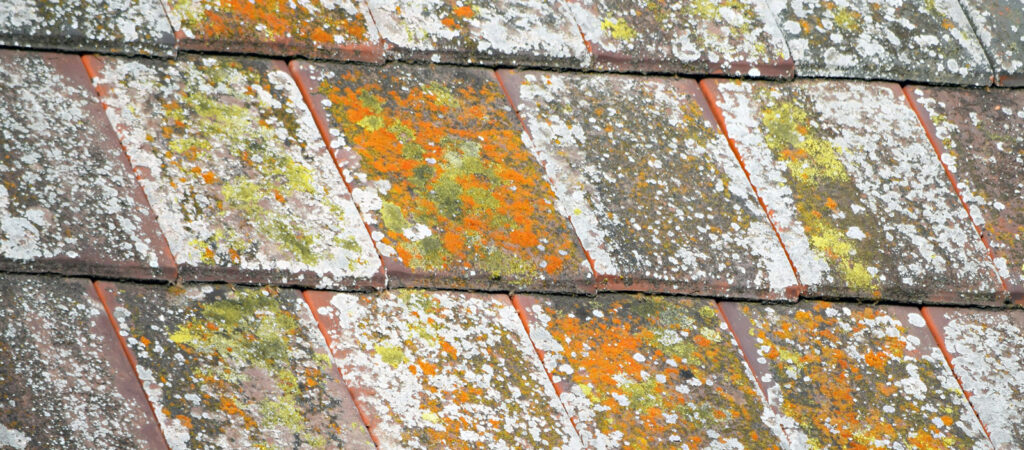
Roof Moss vs. Algae vs. Lichen: What’s Growing on Your House (and Why It Matters)
Key Takeaways
Moss is green, spongy, and thrives in shaded, damp areas — it can lift shingles and hold moisture.
Algae appears as dark streaks; mostly cosmetic, but it can affect shingle temperature and appearance.
Lichen is crusty and tough, combining fungi and algae; it can permanently damage shingles if not treated carefully.
Correct identification is key: each requires a different removal method for safe, long-lasting results.
If you’ve noticed dark streaks, green patches, or crusty spots on your roof, you’re not alone — and you’re probably asking the same question we hear all the time:
“Is that moss… or something else?”
In Southern Oregon, roofs commonly host moss, algae, and lichen, and while they may look similar from the ground, they behave very differently. Knowing which one you’re dealing with matters because each requires different removal and prevention techniques.
Let’s break down how to tell them apart — and what Rogue Valley homeowners should do about each.
Roof Moss (Green and Spongy)
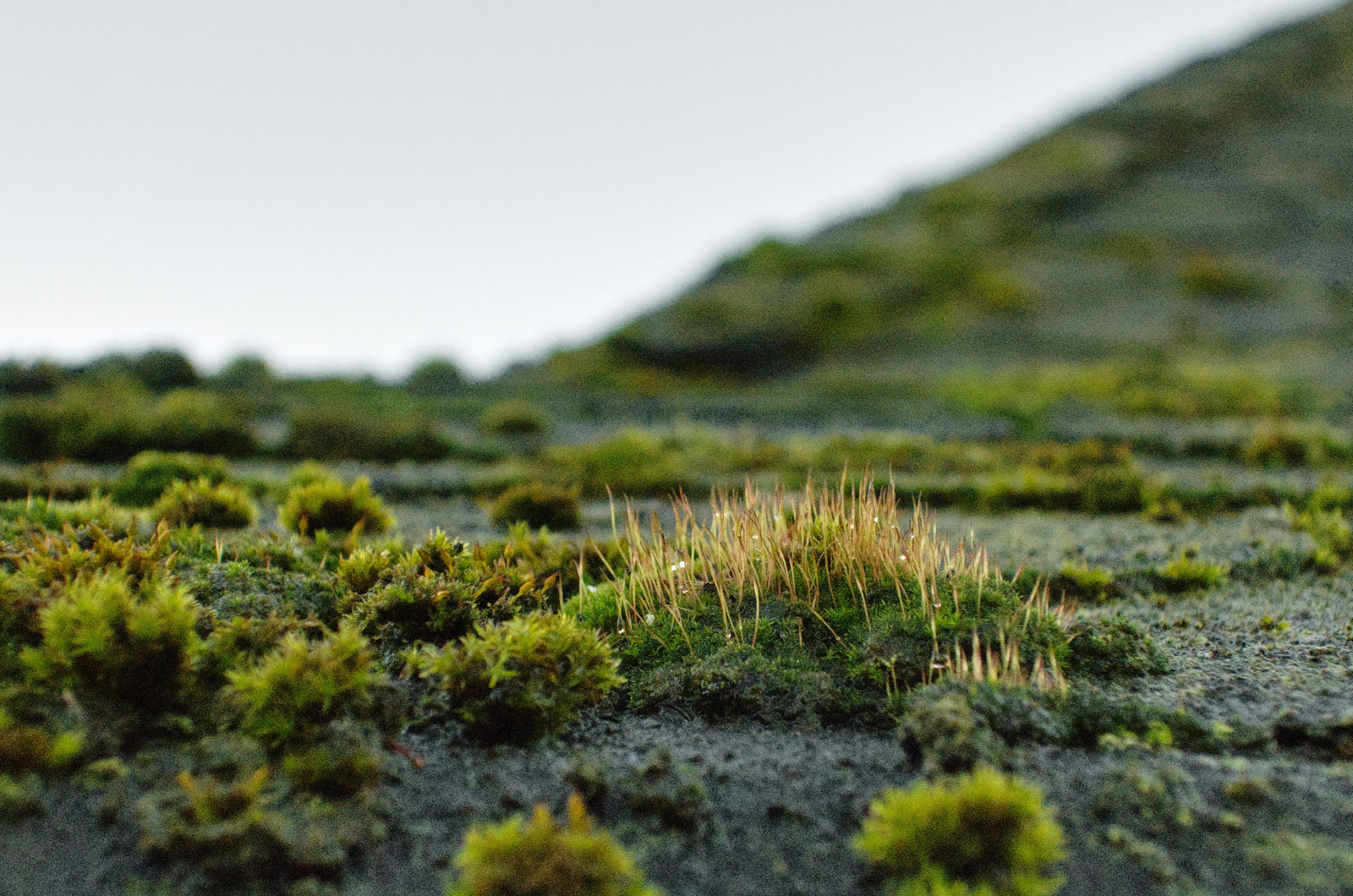
Before getting into why moss is a problem, let’s start with how to recognize it on your roof.
What It Looks Like
Roof moss is usually the easiest to identify:
- Bright or dark green
- Soft, thick, and sponge-like
- Grows in clumps or mats
- Often found in shaded areas, valleys, and near gutters
Why It Grows
Moss thrives in cool, damp, shaded environments, which makes the Rogue Valley an ideal habitat. North-facing roof slopes, tree-covered neighborhoods, and roofs that stay damp for long periods are especially vulnerable.
Why It’s a Problem
Moss holds moisture against your shingles, acting like a sponge. Over time, this can:
- Lift shingle edges
- Accelerate granule loss
- Allow water to penetrate beneath the roofing system
According to the National Roofing Contractors Association (NRCA), organic growth like moss can interfere with proper water shedding and contribute to premature roof deterioration if not addressed.
How It’s Treated
Effective moss removal typically requires:
- Gentle manual removal to eliminate heavy growth
- Follow-up roof-safe chemical treatment to prevent regrowth
Pressure washing or harsh chemicals often cause more harm than good.
Roof Algae (Dark Streaks)
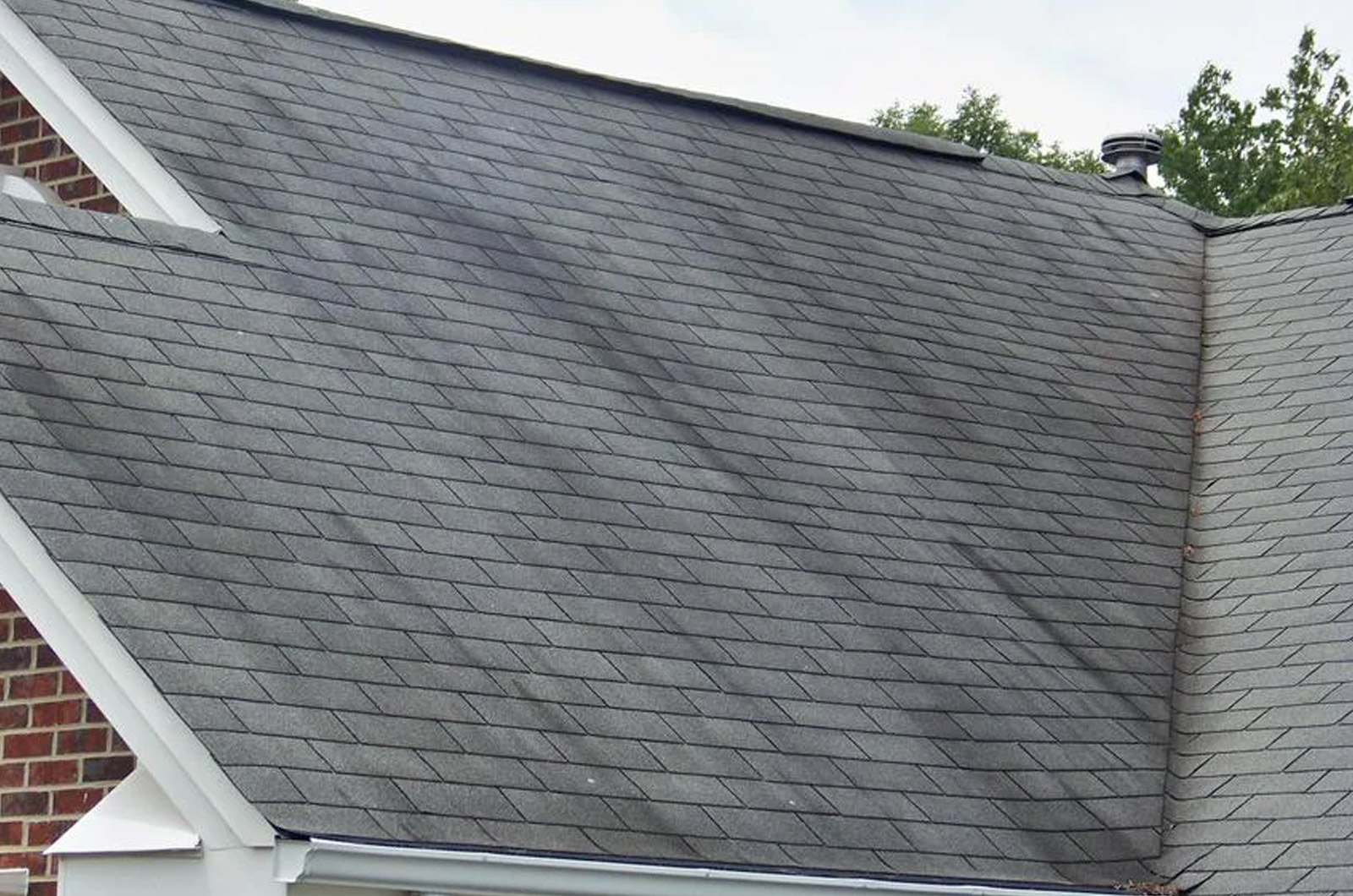
Algae doesn’t grow in clumps like moss, so the best way to identify it is by its distinct streaking pattern.
What It Looks Like
Algae usually appear as:
- Black or dark brown streaks
- Thin, flat discoloration
- Often running downward from the roof peak
This is commonly caused by a type of algae called Gloeocapsa magma.
Why It Grows
Algae feed on moisture and airborne nutrients. In Southern Oregon, it’s common on roofs that:
- Stay damp for long periods
- Receive partial sun
- Have older asphalt shingles
The Asphalt Roofing Manufacturers Association (ARMA) explains that algae doesn’t physically damage shingles the way moss can, but it does stain them and absorb heat, which may accelerate aging.
Why It’s a Problem
While algae is mostly cosmetic, it can:
- Reduce curb appeal
- Increase roof surface temperatures
- Mask underlying roof issues
How It’s Treated
Algae is usually addressed with:
- Low-pressure soft washing
- Algae-specific cleaning solutions
- Preventive treatments or algae-resistant shingles
Roof Lichen (Crusty Combination)
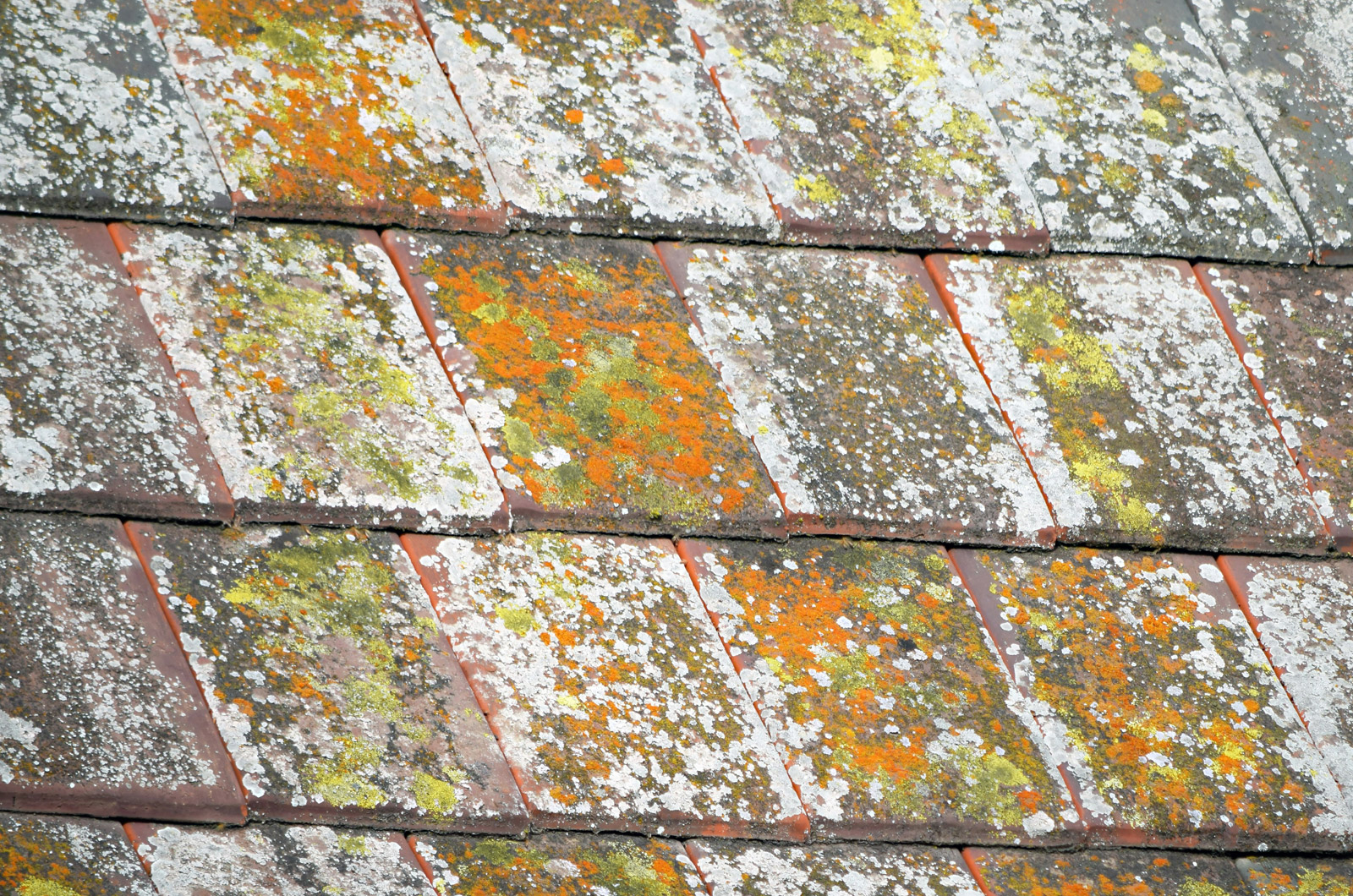
Lichen is often the trickiest to spot, so let’s break down the visual cues that set it apart from moss and algae.
What It Looks Like
Lichen is often mistaken for moss, but it’s different:
- Gray, green, or white patches
- Crusty, flat, or slightly raised
- Hard to scrape off
- Often circular or irregular in shape
What Makes Lichen Unique
Lichen is actually a symbiotic organism, combining algae and fungi. This makes it more stubborn and more damaging than algae — and sometimes even moss.
Why It’s a Problem
Lichen forms strong root-like structures that bond tightly to shingles. Over time, it can:
- Etch into shingle surfaces
- Remove protective granules
- Permanently damage roofing materials
The U.S. Environmental Protection Agency (EPA) notes that aggressive removal methods used on lichen can cause runoff and surface damage if not handled carefully.
How It’s Treated
Lichen typically requires:
- Specialized treatments
- Longer dwell times
- Extreme care to avoid shingle damage
In many cases, professional removal is strongly recommended.
Why Identification Matters in the Rogue Valley
Because moss, algae, and lichen behave differently, treating them the same way often leads to poor results — or roof damage.
For example:
- Bleach may kill algae, but damage shingles
- Pressure washing may remove moss, but strip granules
- Scraping lichen can permanently scar the roof
Southern Oregon’s climate makes regrowth more likely if the root cause isn’t addressed through proper treatment and prevention.
Which One Is Most Common Locally?
In the Rogue Valley:
- Moss is the most damaging and most common on shaded roofs
- Algae is widespread but primarily cosmetic
- Lichen is less common, but the hardest to remove safely
Many roofs actually have more than one type of growth at the same time, which is why a one-size-fits-all approach rarely works.
What to Do If You’re Not Sure What’s on Your Roof
From the ground, it’s often difficult to tell exactly what type of growth you’re seeing — and misidentification can lead to the wrong treatment.
A professional inspection can:
- Identify the type (or combination) of growth
- Recommend the safest moss removal removal method
- Determine whether preventive measures are needed
The Takeaway
Not all roof growth is the same — and in Southern Oregon, knowing the difference between moss, algae, and lichen can save you time, money, and unnecessary roof damage.
The right treatment depends on what’s growing, where it’s growing, and why it’s growing.
Addressing the issue early and correctly helps protect your roof and extend its lifespan.
If you’re unsure what’s on your roof or want expert guidance, BUX Exterior Cleaning provides safe, effective roof cleaning, as well as moss removal and treatment solutions designed specifically for Rogue Valley homes.
FAQs
-
Moss is soft, green, and spongy. Algae appears as dark streaks, usually running downward. Lichen is hard, crusty, and often gray or white. Correct identification matters because each grows differently and requires different treatment methods.
-
Yes. Moss and lichen can damage shingles over time by holding moisture or embedding into roofing material. Algae is mostly cosmetic but can affect curb appeal and shingle temperature.
-
No. Moss usually requires gentle manual removal and eco-friendly treatment. Algae can be treated with soft washing or algae-specific solutions. Lichen is the most stubborn and often needs professional removal to avoid shingle damage.
-
Absolutely. The Rogue Valley’s mild, wet climate, shaded neighborhoods, and tree cover create ideal conditions for moss, algae, and lichen to thrive — often on the same roof.
-
Potentially. Some roofing warranties require regular maintenance, and damage from unchecked growth could be considered neglect. Regular inspections and proper removal help protect your roof and warranty coverage.
-
If you can’t identify the growth from the ground, a professional inspection is the safest approach. Experts can determine whether it’s moss, algae, lichen, or a combination, and recommend the correct treatment.