Early Signs Roof Moss Is Damaging Your Roof
Key Takeaways
-
Roof moss damage usually starts gradually, not all at once
-
Early warning signs often show up before obvious leaks appear
-
Lifted shingles, trapped moisture, and recurring debris are common red flags
-
Different roofing materials are affected in different ways
-
Catching moss early can help prevent larger repair costs
-
Southern Oregon homes often face ideal moss-growing conditions
If you live in Southern Oregon, seeing moss on a roof is not unusual. What many homeowners miss, though, is that roof moss usually causes damage gradually — not all at once.
A small patch may look harmless at first. But over time, moss can hold moisture against roofing materials, work into shingle edges, and create conditions that lead to premature wear, leaks, and more expensive repairs.
The key is catching the warning signs early.
This guide focuses on the early signs of roof moss damage, what Southern Oregon homeowners can safely watch for from the ground, and when moss is no longer just a maintenance issue.
Why Moss Damage Often Goes Unnoticed at First
One reason moss becomes such a problem is that it rarely looks urgent in the beginning.
It often starts in shaded roof sections, near tree cover, or on slopes that stay damp longer after rain. From the ground, it may look like nothing more than a thin green patch. But while it appears minor, moss can slowly hold moisture against the roof surface and begin working into seams, edges, and textured roofing materials.
That is why homeowners sometimes do not realize there is a real problem until they notice lifted shingles, gutter debris, leaks, or unusual wear on part of the roof.
Early Signs Roof Moss Is Starting to Cause Damage
Not every patch of moss means major roof damage is already happening. But there are several warning signs that moss is beginning to affect roof performance.
Moss Patches Are Getting Thicker or Spongier
Thin moss growth can become dense surprisingly fast in damp, shaded areas. When moss looks thick, raised, or sponge-like, it is holding more moisture against the roof and becoming more likely to interfere with drainage and drying.
Shingle Edges Look Uneven, Raised, or Disturbed
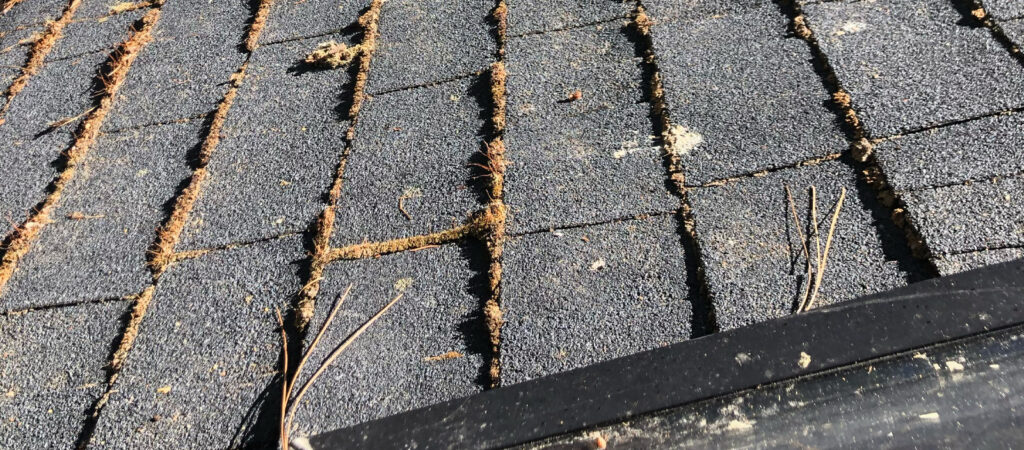
As moss expands, it can work into the spaces around shingle edges. On asphalt roofs, there may start to show up as tabs that no longer lie flat or sections that look slightly uneven from the ground.
That does not always mean severe damage yet, but it is a sign the moss is no longer just sitting on the surface.
Dark Roof Areas Stay Wet Longer Than the Rest
After rainfall, some parts of a roof should dry faster than others. If moss-covered areas stay darker and damp-looking much longer than surrounding sections, that is a clue that moisture is lingering where it should not.
Granule Loss Appears Below Problem Areas
On composition and asphalt roofs, moss often goes hand in hand with faster surface wear. If you notice grit-like granules collecting in gutters or near downspout exits, that can be a sign the affected section is wearing down faster than it should.
Moss Debris Keeps Showing Up in Gutters
If pieces of moss repeatedly wash into the gutters, the roof growth is active enough to break loose and move through the drainage system. That usually means the problem is established rather than superficial.
Interior Clues Start Appearing
In more advanced cases, the earliest indoor signs may include faint attic moisture staining, musty smells, or subtle discoloration near ceilings and roof transitions. By that point, moss may already be contributing to a moisture problem rather than just signaling one.
What Moss Damage Looks Like on Different Roof Types
Moss does not affect every roof the same way.
Asphalt and Composition Shingles
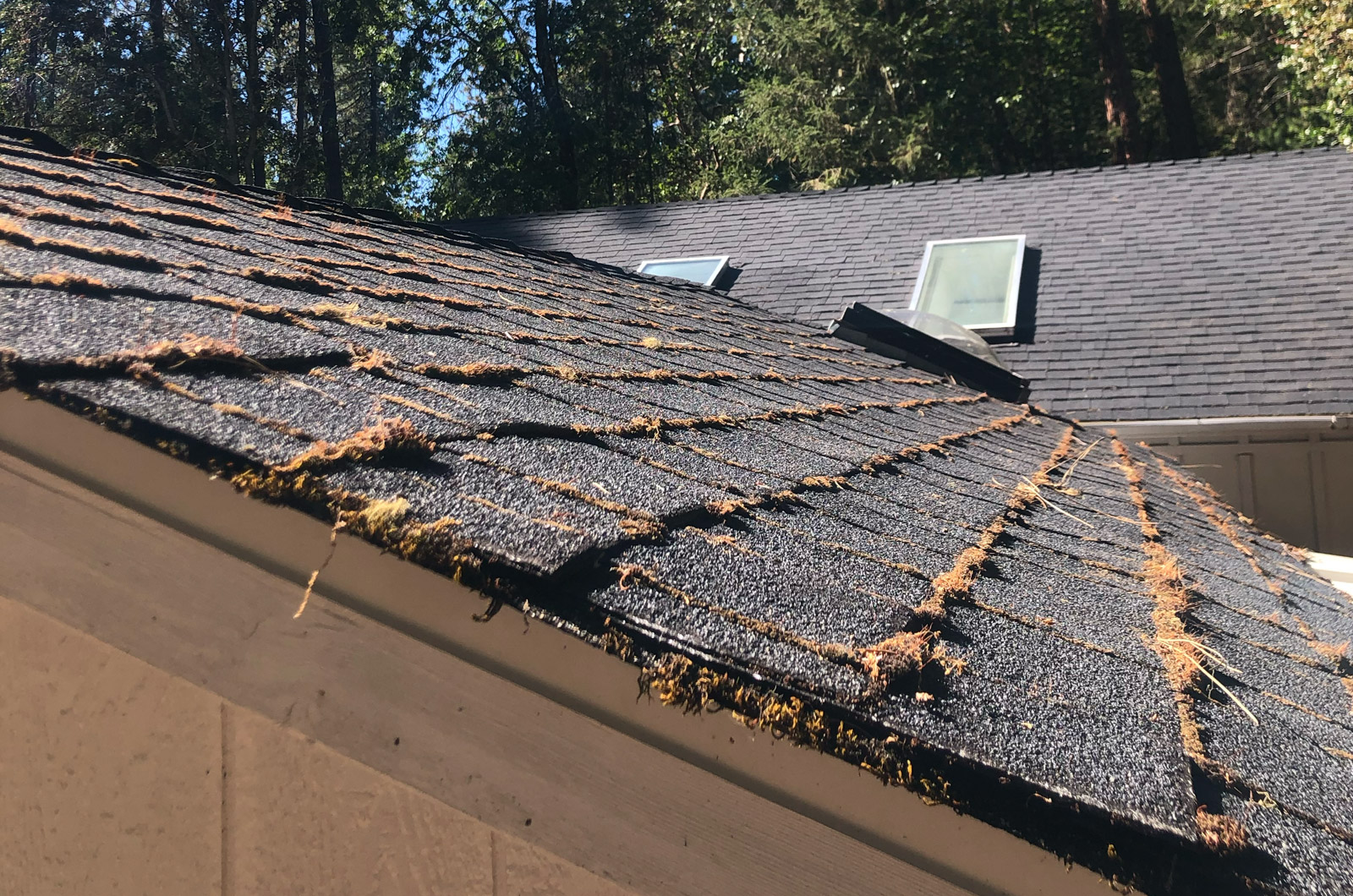
This is where moss problems are most common on local homes. Moss can trap moisture, interfere with drainage, and contribute to shingle edge lifting, granule wear, and earlier material breakdown.
Tile Roofs
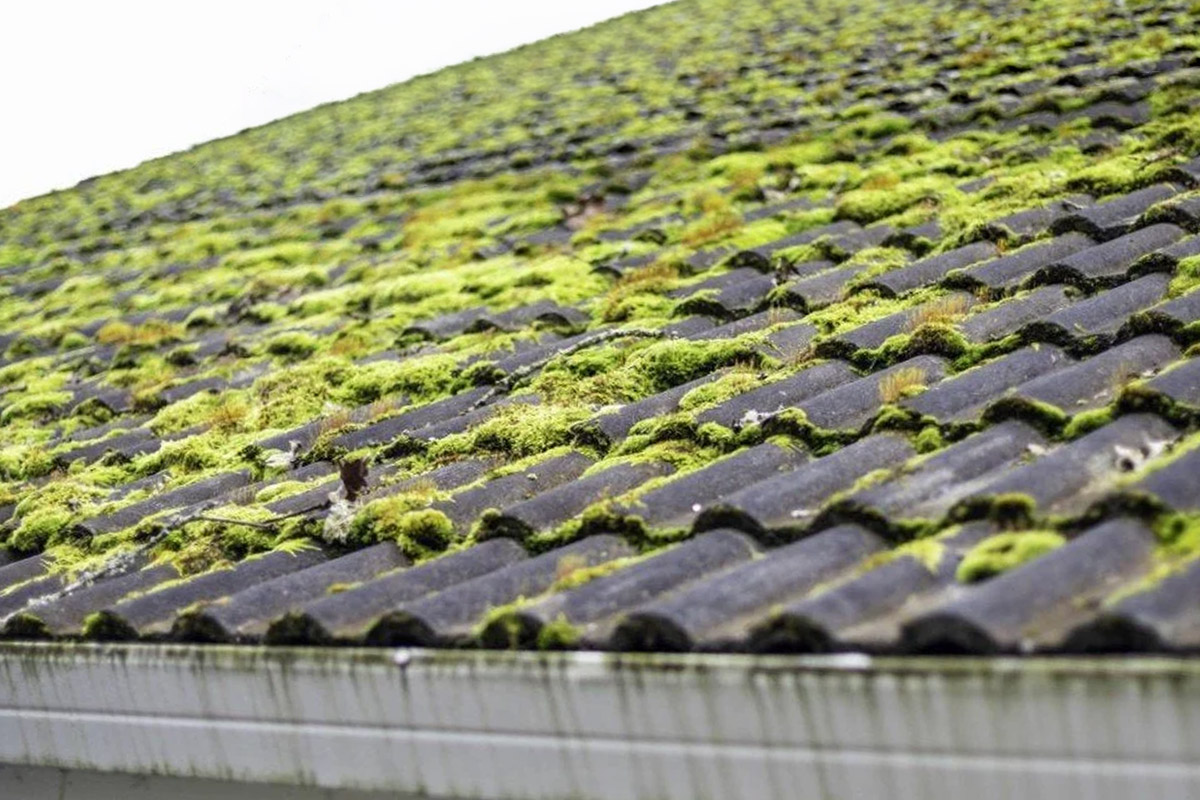
Tile roofs are more durable in some ways, but moss can still create trouble by growing between tiles, holding moisture in place, and contributing to movement or cracking in vulnerable areas.
Metal Roofs
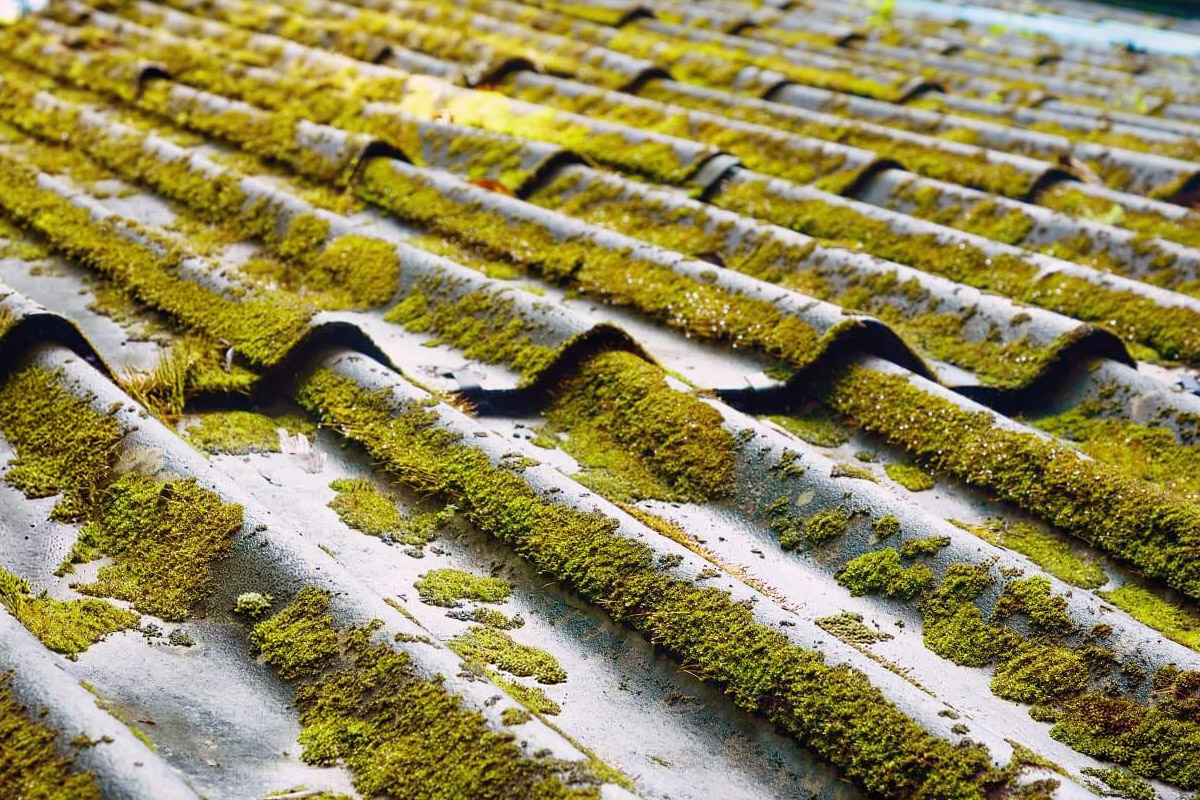
Metal roofs are less likely to suffer the same kind of material breakdown as asphalt, but moss can still trap debris and moisture around seams, fasteners, and transitions. That can lead to drainage issues and unnecessary wear over time.
Cedar Shake Roofs
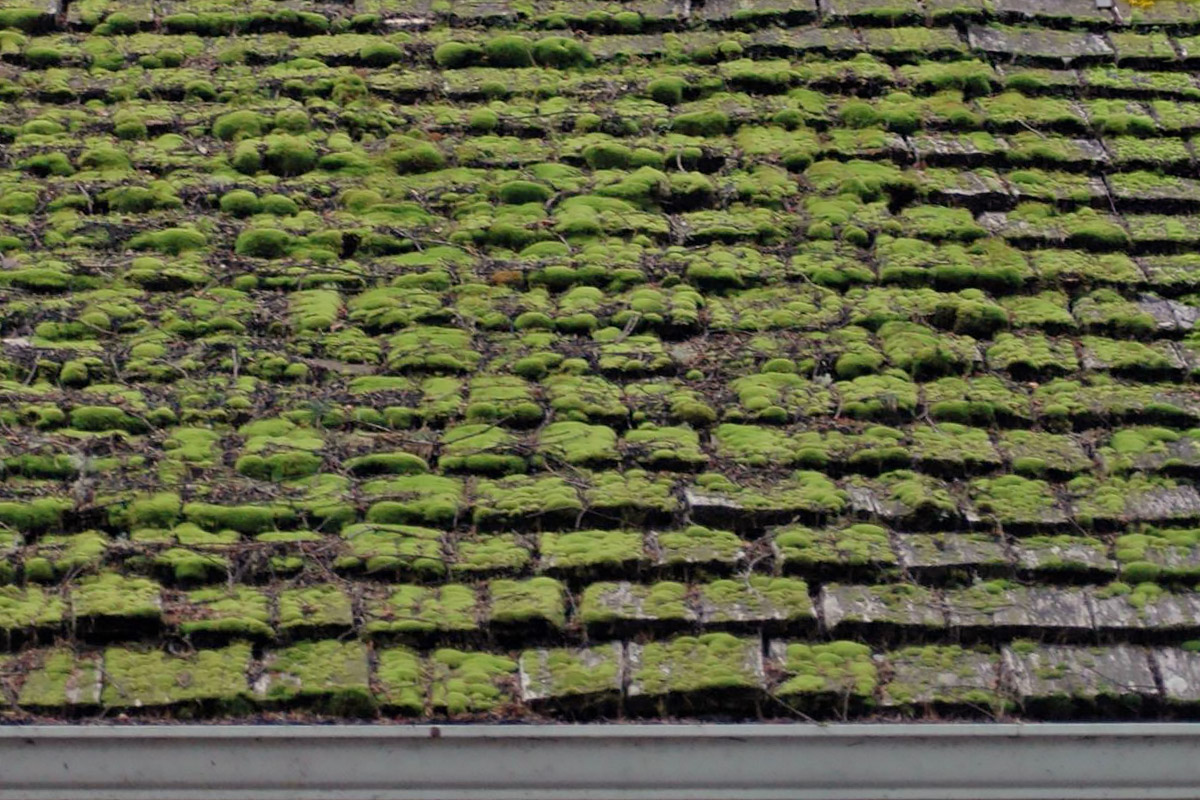
Cedar is especially vulnerable because it is an organic material. Moss can help keep the surface damp longer, which increases the risk of decay and shortens the roof’s service life if it is not addressed early.
When Moss Is Still a Cleaning Issue — and When It May Be a Repair Issue
One of the most useful ways to think about roof moss is this:
Usually Still a Cleaning or Maintenance Issue
-
Thin to moderate moss growth
-
No visible interior staining
-
Shingles still appear largely intact
-
No obvious sagging, missing pieces, or repeated leak symptoms
May Be Turning Into a Repair Issue
-
Lifted, curling, or broken shingles
-
Thick moss growth in multiple areas
-
Repeated gutter debris from the same slope
-
Visible signs of moisture intrusion indoors
-
Soft, deteriorated, or heavily worn-looking roof sections
If the moss is only on the surface, roof-safe removal and prevention may be enough. If it has already contributed to material failure or water intrusion, cleaning alone may not solve the full problem.
What You Can Safely Check From the Ground
Homeowners do not need to walk on the roof to notice early warning signs.
You can often spot useful clues by checking:
-
Roof slopes that stay shaded most of the day
-
Areas below overhanging trees
-
Sections that remain dark after rain
-
Gutters that keep collecting moss fragments
-
Uneven roof lines or disturbed-looking shingles
-
Attic or ceiling areas for staining or moisture smells
A pair of binoculars can help. What is not worth doing is climbing onto a slippery, moss-covered roof. That adds fall risk and can also damage the roofing material.
Why Southern Oregon Roofs Are Especially Vulnerable
Southern Oregon homes often have exactly the conditions moss prefers.
Common contributors include:
-
Morning moisture and seasonal rainfall
-
Shaded roof slopes
-
Tree debris that holds moisture in place
-
Clogged gutters that slow drainage
-
North-facing sections that do not dry as quickly
Homes in areas with mature trees, limited direct sun, or heavier winter dampness are especially likely to see moss return unless it is managed proactively.
What to Do Next if You See These Signs
If you are seeing early warning signs, the best next step is usually not aggressive DIY removal. Scraping, pressure washing, and harsh treatments can do more harm than good when used the wrong way.
A better approach is to have the roof evaluated, remove moss using roof-safe methods, and put a prevention plan in place so the same problem does not return right away.
For a broader look at why moss grows, how it should be removed, and what helps prevent regrowth, see our roof moss removal and prevention guide. You can also learn more about how often roof moss should be removed on Southern Oregon homes if you are trying to plan maintenance.
FAQs
-
Not always. A small amount of moss does not necessarily mean serious damage is already happening. The concern is that moss tends to worsen over time by trapping moisture and spreading into vulnerable roof areas.
-
One of the earliest signs is usually moss becoming thicker and more established in shaded sections, especially when nearby shingles begin looking uneven or the area stays wet longer than the rest of the roof.
-
Often, yes. You may be able to spot thick growth, lifted-looking shingle lines, dark damp patches, and recurring moss debris in gutters without climbing onto the roof.
-
Not immediately, but it can increase the likelihood of leaks over time by interfering with drainage and contributing to shingle damage and moisture intrusion.
-
If the moss is thick, spreading, repeatedly dropping debris into gutters, or accompanied by lifted shingles or interior moisture signs, it is worth having the roof looked at before the problem gets more expensive.