The Ultimate Guide to Roof Moss Removal and Prevention (Southern Oregon Edition)
Key Takeaways
-
Moss thrives on shaded, damp roofs — common in Southern Oregon.
-
Left unchecked, moss can damage shingles and shorten roof life.
-
Safe removal combines gentle cleaning with eco-friendly treatments.
-
Prevent regrowth with zinc/copper strips, moss-resistant shingles, and tree management.
Roof moss might look like a harmless splash of green on your shingles, but for homeowners in the Rogue Valley, it’s more than just an eyesore. Moss thrives in Southern Oregon’s wet, shaded climate, and if left unchecked, it can damage your roof, shorten its lifespan, and even affect your warranty.
Whether you’re curious about what moss is, why it’s so common in southern Oregon, considering a DIY clean-up, or looking for long-term prevention strategies, this guide covers everything you need to know — plus links to deeper-dive articles for specific topics.
Think of it as your home base for roof moss knowledge in Grants Pass, Medford, Ashland, and beyond.
What This Guide Covers
Roof moss is more than a cosmetic issue—especially in Southern Oregon’s damp winters, tree-heavy neighborhoods, and shaded rooflines. This guide is designed to be the most complete, locally relevant resource on roof moss removal and prevention for homeowners in the Rogue Valley and surrounding areas.
Inside this guide, you’ll learn:
Why roof moss is so common in Southern Oregon
Climate, shade, and environmental factors that cause moss to thrive.
The difference between moss, algae, and lichen
And why each affects your roof differently.
The real risks of leaving roof moss untreated
Including shingle damage, leaks, warranty issues, and insurance concerns.
- Roof Moss Risks
- Does Moss Cause Roof Leaks?
- Can Moss Growth Void Your Roof Warranty?
- Can Roof Moss Get Your Homeowners Insurance Canceled?
Roof moss removal methods that actually work
A breakdown of manual removal, chemical treatments, and common DIY myths.
How often roof moss should be removed
And why some homes need more frequent service than others.
The best time of year to remove roof moss
Timing matters more than most homeowners realize.
How to prevent roof moss from coming back
From maintenance strategies to zinc and copper treatments.
How gutters, trees, and shade contribute to moss growth
And what homeowners can realistically control.
What roof moss removal costs in Southern Oregon
Including factors that affect pricing.
What Is Roof Moss?
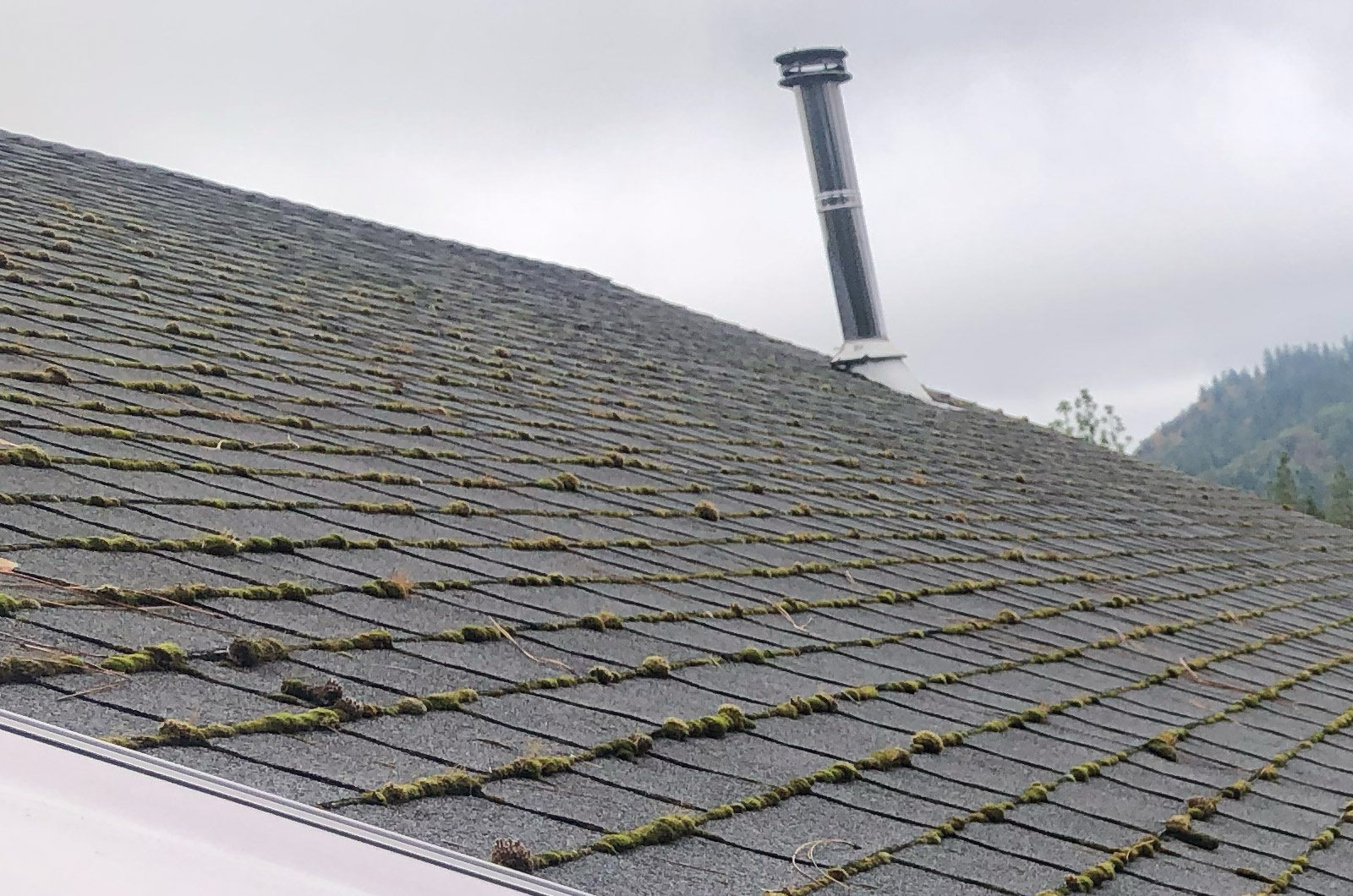
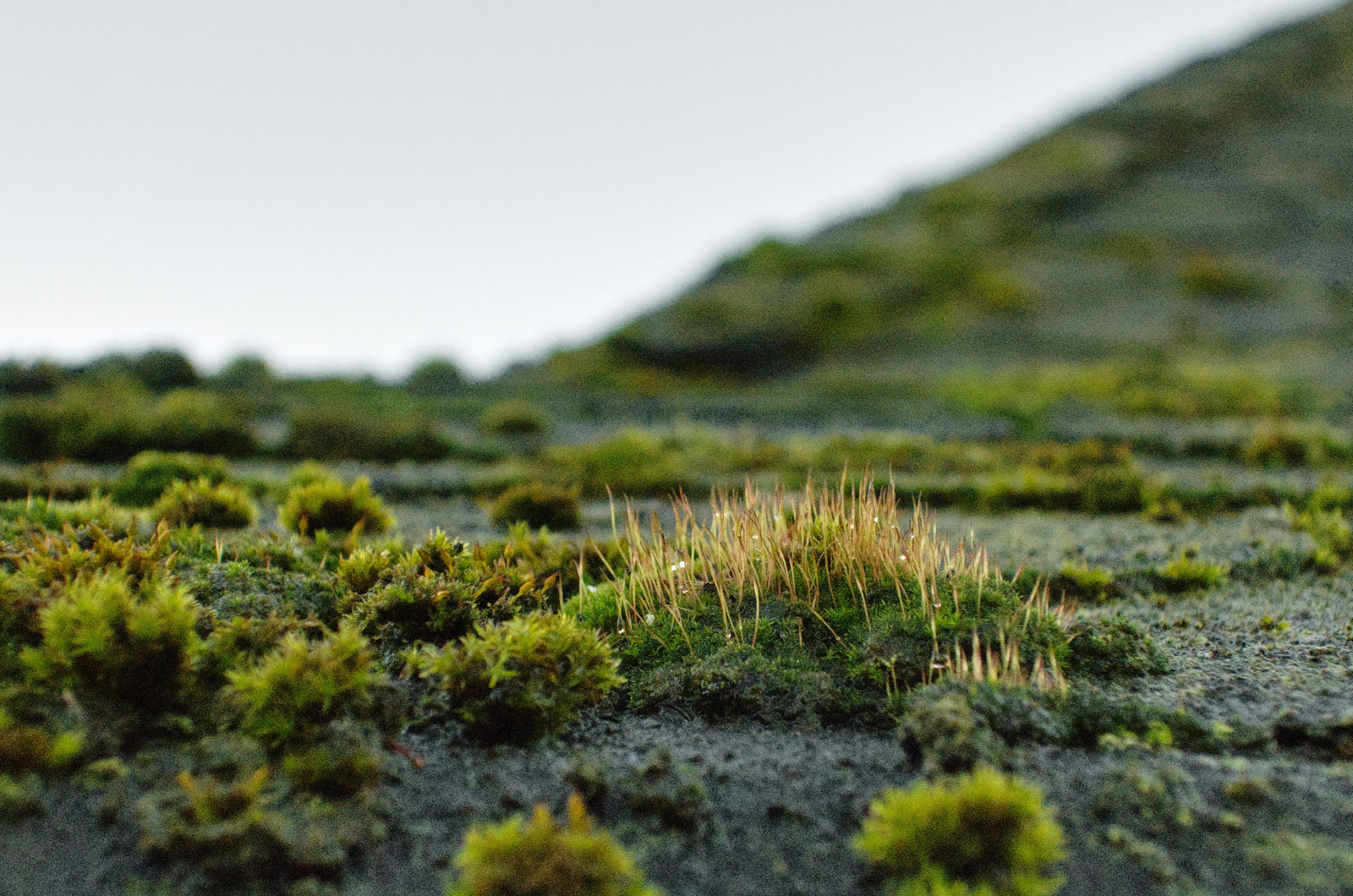
Moss is a non-parasitic plant that loves damp, shaded environments. Unlike fungi or algae, moss doesn’t feed on your shingles, but it does hold moisture against the roof, which can accelerate wear and tear.
How Moss Spreads:
- Spores: Wind, rain, and birds can deposit moss spores onto your roof.
- Nearby Trees: Overhanging branches drop leaves and create shade, providing the perfect moss habitat.
- Roof Microclimate: Porous or rough shingles trap moisture, giving moss a foothold.
How to Identify Moss
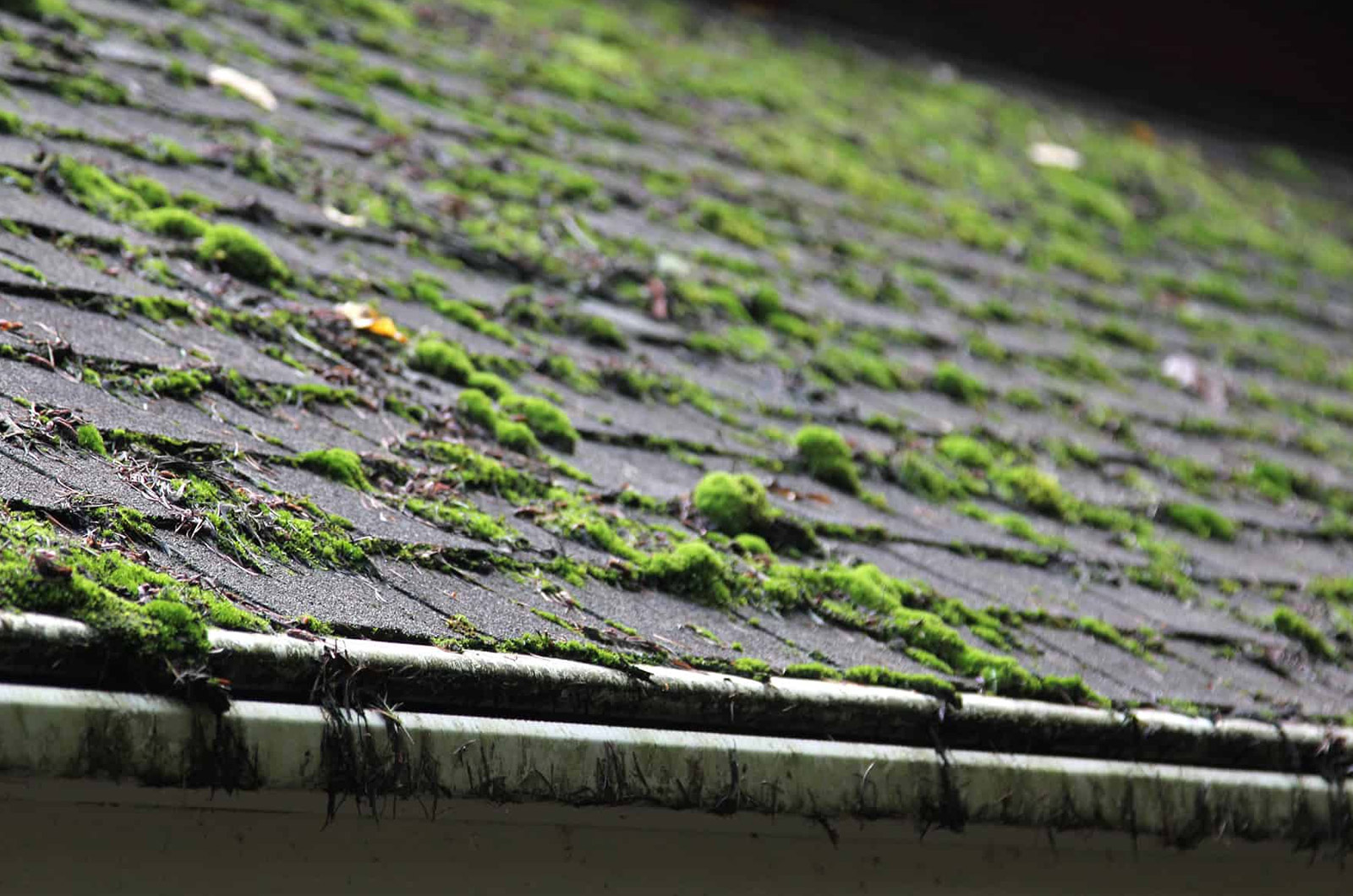
Moss is usually bright or dark green, soft to the touch, and often grows along shaded valleys, near gutters, or around chimneys.
A healthy roof will resist moss, but Southern Oregon homes, with their frequent rainfall and dense tree cover, are especially prone.
Why Moss Grows in Southern Oregon
Southern Oregon’s climate and natural landscape create the perfect conditions, causing moss to grow:
- Mild, Wet Winters: Regular rainfall keeps roofs damp for extended periods.
- Shaded Roofs: Homes with north-facing slopes or heavy tree cover rarely see direct sunlight on parts of their roof.
- Tree Species: Native maples, oaks, and conifers drop leaves and needles, increasing shade and debris accumulation.
- Roof Materials: Shingles that are older or porous, and roofs with lower slopes, tend to retain moisture and invite moss growth.
Roof Moss Risks and Damage
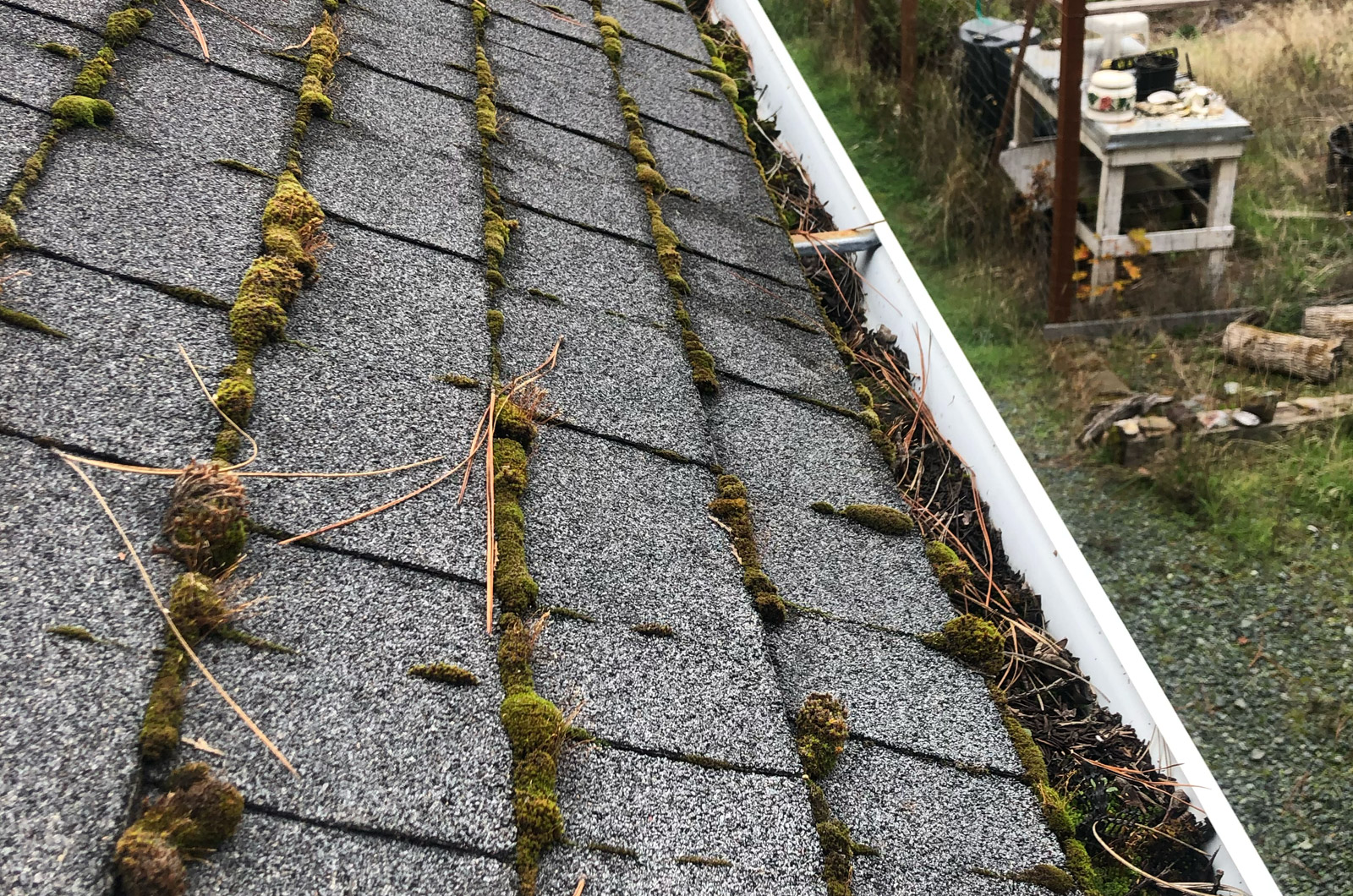
While moss itself doesn’t eat shingles, the risks of allowing roof moss to continue can be costly:
- Moisture Retention: Moss holds water against your roof, softening shingles and accelerating rot.
- Structural Issues: Over time, trapped moisture can seep under shingles, causing leaks, water damage, and even ice dams in winter.
- Aesthetic Damage: Green streaks and clumps make an otherwise beautiful home look unkempt.
- Warranty & Insurance Risks: Excessive moss growth can sometimes void roofing warranties and may cause claims disputes.
Beyond warranties and insurance concerns, many homeowners worry about something even more serious: water intrusion.
While moss doesn’t always cause immediate leaks, it can trap moisture, lift shingles, and accelerate the conditions that allow leaks to form over time. We break this down in detail here: Does Moss Cause Roof Leaks? — including when moss is mostly cosmetic and when it becomes a real structural risk.
Understanding those risks helps clarify why choosing the right removal approach matters.
Roof Moss Removal Methods (DIY vs Professional)
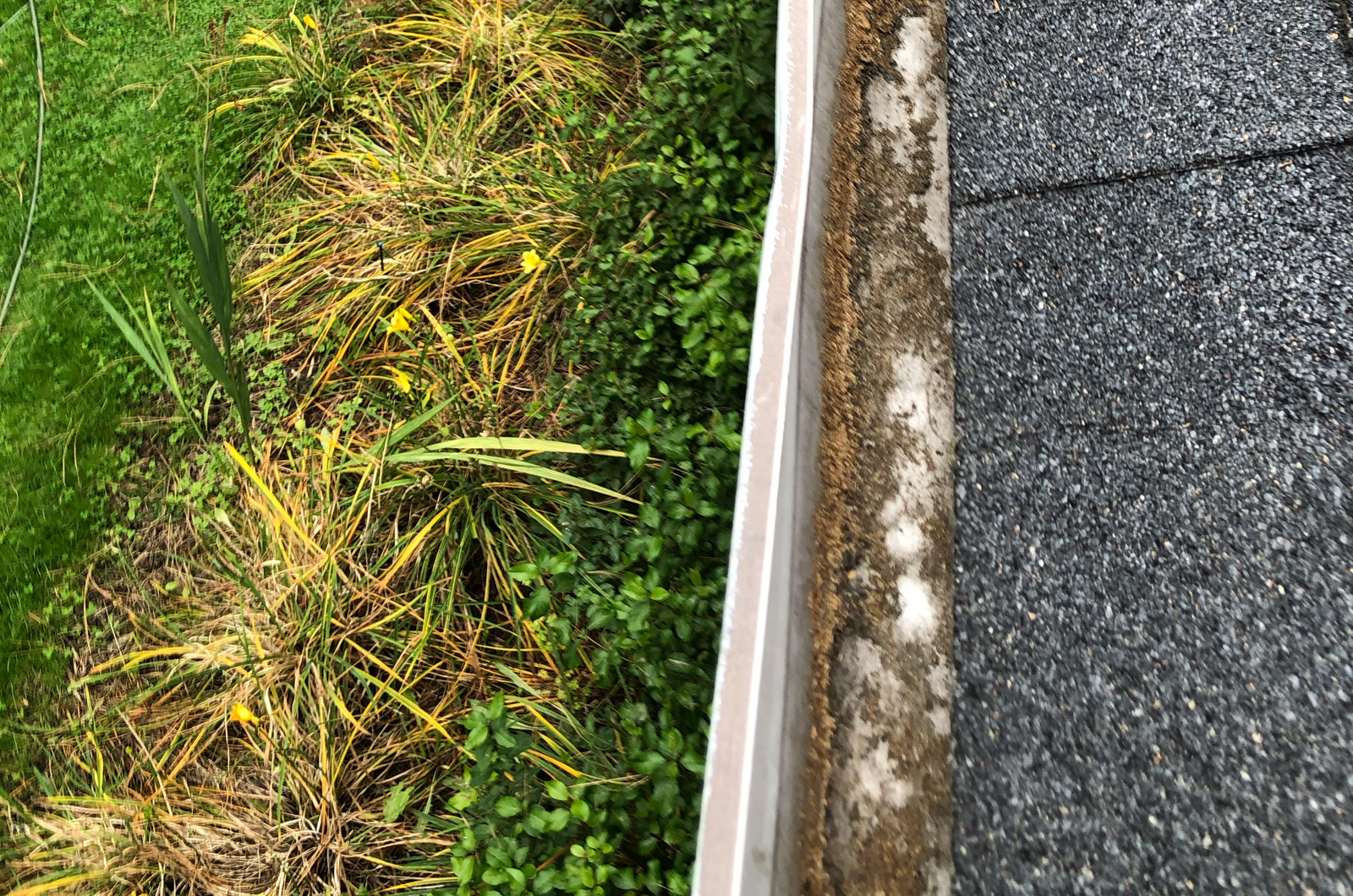
Before diving into the specific DIY methods to remove moss, it’s helpful to understand the pros and cons of tackling moss yourself versus hiring a professional.
DIY Moss Removal
Homeowners sometimes opt to tackle moss themselves. Common approaches include:
- Pressure Washing: Effective but risky; high pressure can damage shingles and shorten roof life.
- Chemical Treatments: Bleach and hardware-store sprays can kill moss, but they can also harm plants, landscaping, and roofing materials.
- Ladder Work & Safety Concerns: Slippery moss and steep roofs make accidents a real risk.
Professional Moss Removal
While there are a handful of different removal options, hiring professionals ensures:
- Safety: No need to climb ladders or risk falls.
- Eco-Friendly Solutions: Experts use gentle, effective treatments that won’t harm your landscaping.
- Thorough Removal: Professionals can handle stubborn moss patches, valleys, and gutters.
- Warranty on Work: Many services offer follow-up inspections or maintenance guarantees.
When to Call a Pro:
- Heavy moss coverage
- Multi-story homes
- Roofs with steep slopes or difficult access
Moss Removal Methods Explained
For the best results, a combination of manual and chemical removal methods is often recommended:
- Manual Removal: Soft brushing or scraping removes clumps without damaging shingles.
- Chemical Treatments: Eco-friendly solutions, sometimes with zinc or copper, prevent regrowth.
- Combined Approach: Heavy moss may require manual removal first, then a chemical treatment to stop new growth.
Long-Term Moss Prevention
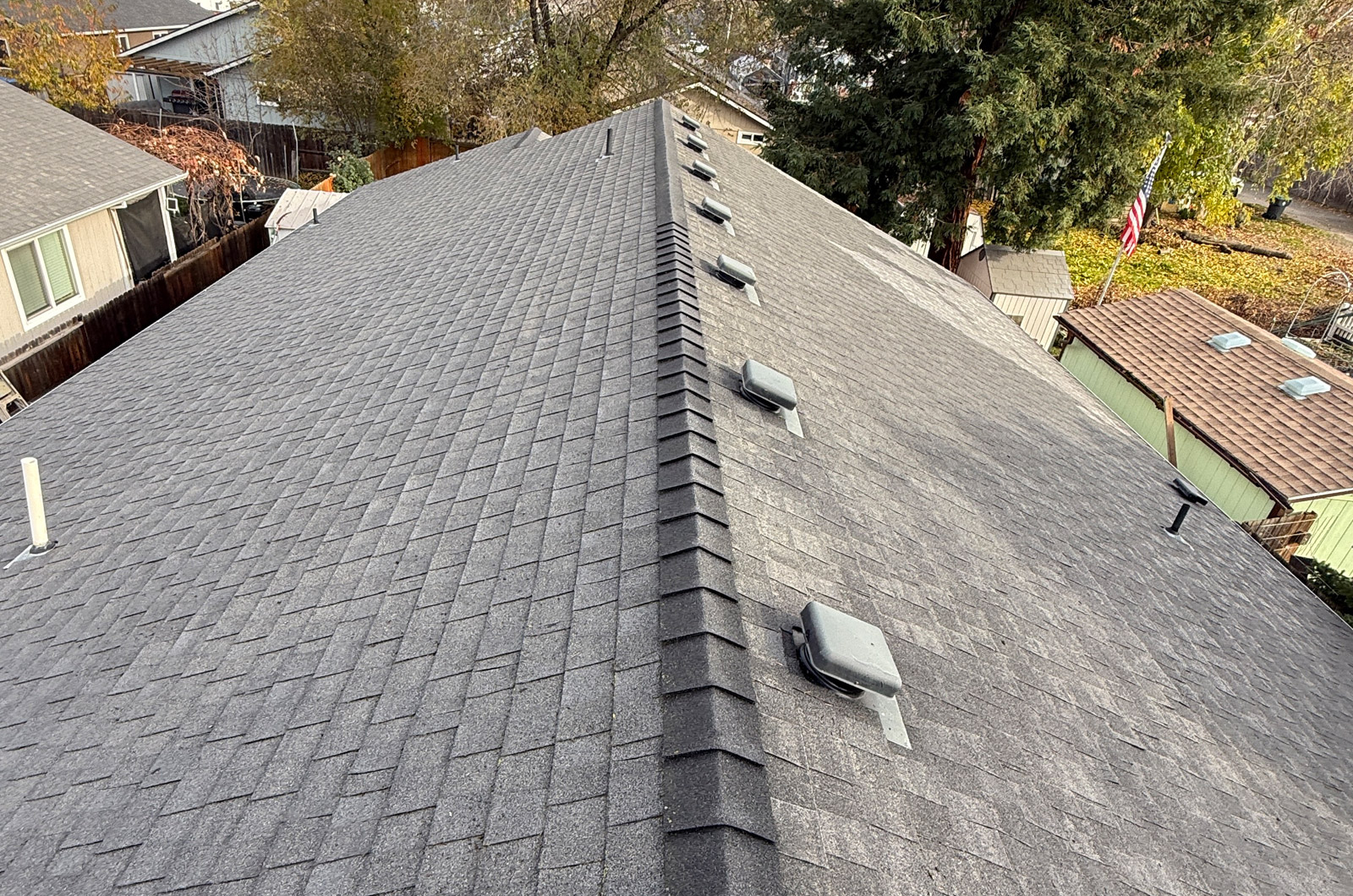
Once moss is removed, the next steps are prevention treatments to prevent it from coming back. Southern Oregon homeowners can adopt several strategies:
- Regular Roof Maintenance: Inspect shingles, clean gutters, and remove debris twice a year.
- Preventive Treatments: Zinc or copper strips slowly release minerals that inhibit moss growth.
- Moss-Resistant Shingles: If reroofing, consider materials specifically designed to resist moss and algae.
- Tree & Landscaping Management: Prune overhanging branches, remove dense shade, and improve airflow.
- Seasonal Planning: Wet months require more frequent inspections to prevent regrowth.
Even with preventive measures in place, moss control isn’t a one-and-done task — most Southern Oregon homes benefit from routine inspections and scheduled cleanings, which is why understanding how often roof moss should be removed is a key part of any long-term prevention plan.
Maintenance and Warranty Considerations
Many homeowners are surprised to learn that roof warranties often include maintenance requirements — and moss growth can become a gray area if problems arise. In fact, excessive moss growth can sometimes void roofing warranties and may cause disputes.
Most roofing warranties require homeowners to take “reasonable steps” to maintain the roof. The Federal Trade Commission (FTC) notes that neglect-related damage may not be covered under warranty terms, even if the roofing material itself is still within the warranty period.
Routine inspections and timely moss removal not only help protect the roof physically — they also create a documented maintenance history that can be valuable if warranty or insurance questions ever arise.
Cost Considerations and Frequency
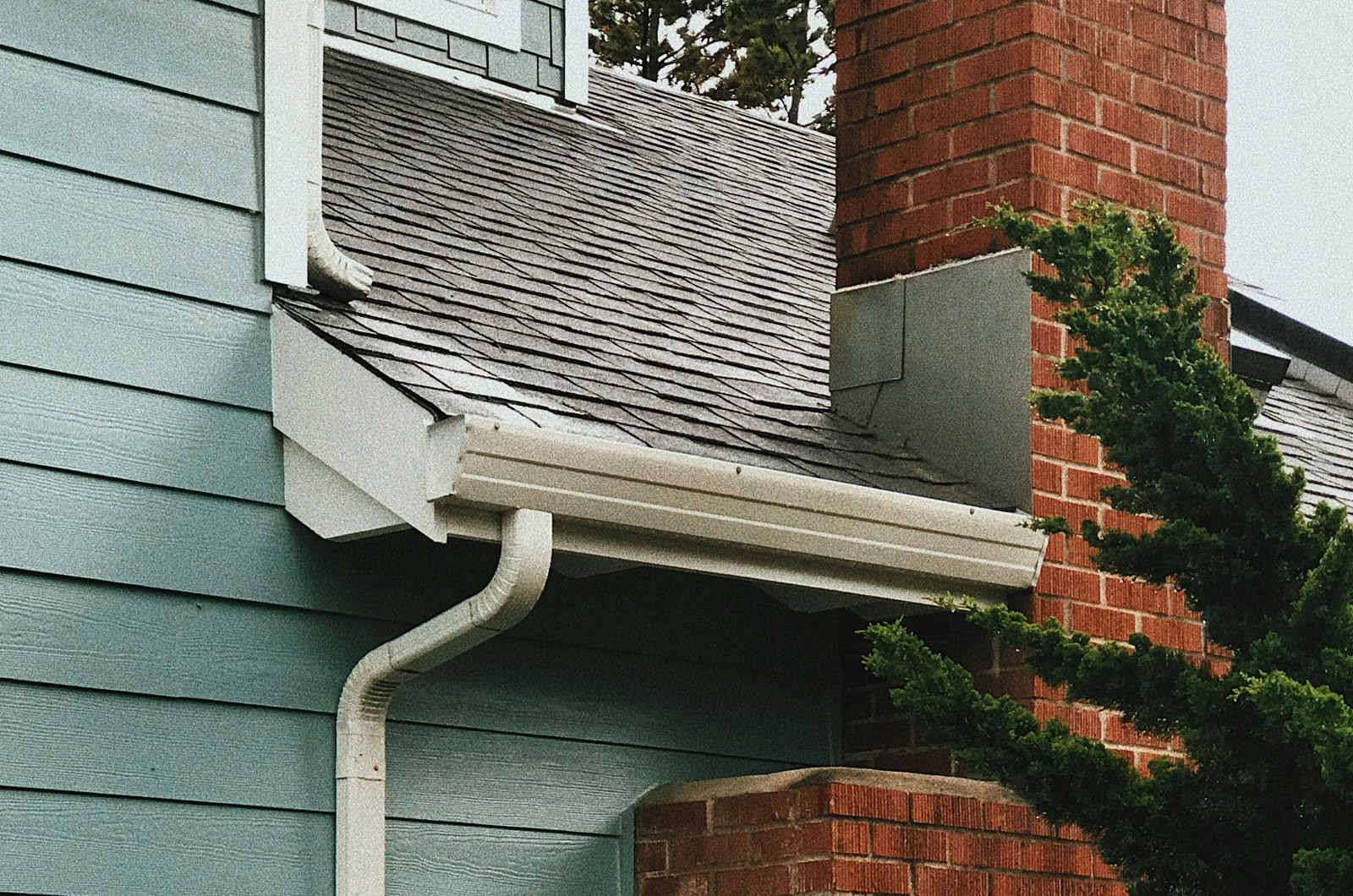
The cost of moss removal varies widely depending on your roof’s size, slope, and the severity of the moss:
- DIY Treatments: Typically lower upfront, but may damage shingles or landscaping if done incorrectly.
- Professional Services: Average prices in Southern Oregon range from $400–$1,200 for single-story homes; multi-story homes or steep roofs can be more.
- Additional Costs: Repairs for shingles damaged by moss or DIY attempts, eco-friendly treatments, and warranty-safe maintenance.
In Southern Oregon, most roofs benefit from moss removal every 1–2 years, especially homes with heavy shade or tree cover.
The Next Step
Roof moss is a common problem in Southern Oregon, but it’s manageable with the right approach.
Regular inspections, professional removal when needed, and preventive strategies — like zinc/copper strips, moss-resistant shingles, and proper tree management — can extend the life of your roof and keep your home looking great.
Next Step: If your roof has visible moss or you want a professional inspection, contact BUX Exterior Cleaning today.
BUX specializes in safe, effective moss removal and prevention strategies tailored for Southern Oregon homeowners.
FAQs
-
Professionals use low-pressure washing and safe chemicals to avoid harming plants, grass, and shrubs.
-
Most roofs benefit from a check every 1–2 years, though shaded roofs may need annual attention.
-
Chemicals alone are often temporary. Combining physical removal, chemical treatment, and roof care provides longer-lasting results.
-
Moss is leafy and soft, algae appears as dark streaks, and lichen is crusty or powdery. Each requires a slightly different treatment.