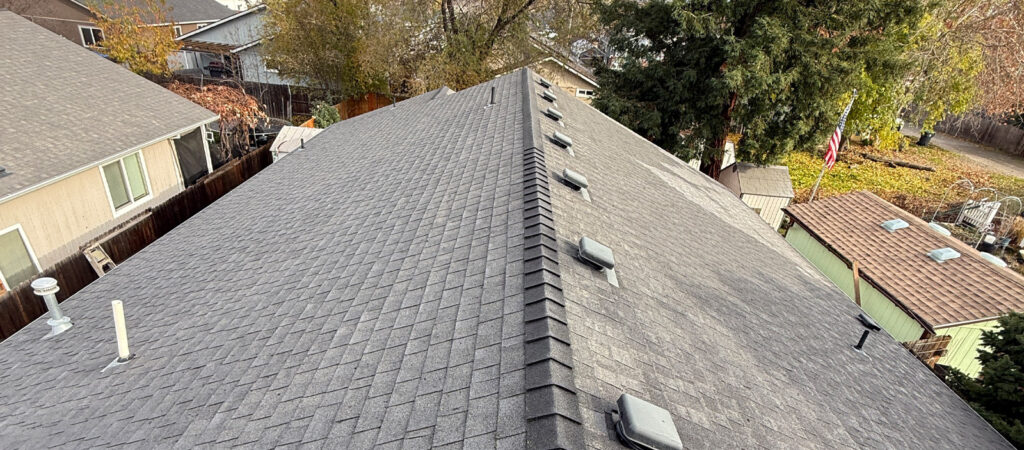
Roof Moss Prevention Treatments Compared: What Actually Makes Sense
Key Takeaways
- Roof moss prevention treatments help slow regrowth, but they do not replace proper removal when moss is already established
- Zinc or copper strips, liquid treatments, and soft-wash preventative applications each work differently
- The best prevention option depends on the roof type, shade, debris, and how often moss returns
- No prevention treatment is truly permanent
- Prevention works best when paired with debris control, drainage maintenance, and reduced shade where possible
- Southern Oregon homes often need a prevention plan that matches recurring local conditions, not just a one-time treatment
If you have dealt with roof moss before, prevention usually sounds simple: apply something once, stop the moss, and move on.
In practice, it is not that straightforward.
Different roof moss prevention treatments work in different ways, and the best fit depends on the roof itself, how much shade and debris the home gets, how severe the regrowth pattern is, and whether the moss has already been removed.
That is why the real question usually is not “What is the best roof moss prevention treatment?” It is “Which prevention approach makes the most sense for this roof?”
This guide compares common roof moss prevention treatments, explains what each one is good at, and helps Southern Oregon homeowners understand which option may fit their roof best.
What Roof Moss Prevention Treatments Can and Cannot Do
Before comparing options, it helps to set realistic expectations.
A preventive treatment can help reduce the chance of moss returning quickly. It may slow regrowth, make future moss less severe, or support a cleaner roof over time. But prevention is not the same as removal.
If thick moss is already established, a prevention treatment alone usually is not enough. And even the best prevention method cannot fully overcome constant shade, heavy debris, clogged gutters, or roof sections that stay damp for long periods.
In other words, prevention can help a lot — but it works best as part of a broader roof maintenance strategy.
Option 1: Zinc or Copper Strips
Zinc and copper strips are one of the most recognized roof moss prevention options.
These metal strips are typically installed near the ridge. When rainwater runs over them, it carries trace amounts of metal down the roof surface. That runoff can help make the environment less favorable for moss growth below.
This approach is usually best suited for homeowners who want a passive prevention method rather than something that needs to be sprayed repeatedly.
Best fit for:
-
Roofs with repeated moss growth below the ridge
-
Homes where regrowth tends to happen in similar sections over time
-
Homeowners who want a lower-maintenance prevention option
Less ideal for:
-
Roofs with heavy existing moss that still need proper removal
-
Homes expecting immediate visual improvement
-
Situations where the roof’s biggest issue is severe shade and debris rather than recurring light regrowth
Zinc or copper strips can be helpful, but they are not a complete answer for every roof. Performance depends on roof design, rainfall flow, and whether moss-friendly conditions are still being left in place.
Option 2: Liquid Moss-Prevention Treatments
Liquid prevention treatments are often applied after roof cleaning or moss removal to help reduce regrowth.
These treatments are designed to leave behind a moss-resistant surface condition, at least for a period of time. On many roofs, they can be a good fit when the goal is to slow regrowth after the visible moss problem has already been addressed.
This option is often more practical than homeowners expect, especially on roofs where moss tends to return in shaded or debris-prone areas but does not yet require a more built-in prevention approach.
Best fit for:
-
Roofs that were recently cleaned or treated
-
Homes with moderate shade and recurring moss growth
-
Homeowners who are comfortable with periodic retreatment
Less ideal for:
-
Homeowners expecting one application to solve the problem indefinitely
-
Roofs where debris and drainage issues are still being ignored
-
Situations where moss is already thick and widespread
A liquid prevention treatment can be effective, but it usually works best when applied as part of ongoing roof care rather than as a one-time fix.
Option 3: Soft-Wash Preventative Applications
Soft-wash preventative applications are a little different from passive strip systems or simple spot treatments.
In many cases, this approach combines roof-safe cleaning and treatment with prevention-focused application methods. It is often used when the roof needs a gentler approach than pressure washing and when the goal is not just to improve appearance, but to reduce the speed of regrowth afterward.
This can be a strong fit for homes where moss comes back regularly and where the homeowner wants both cleanup and prevention handled as part of the same plan.
Best fit for:
-
Roofs that need both moss removal and prevention
-
Composition roofs where aggressive cleaning methods are a poor fit
-
Homes with recurring moss in shaded, moisture-prone areas
Less ideal for:
-
Homeowners looking only for a passive prevention system
-
Roofs where no current moss issue exists, and minimal intervention is preferred
Soft-wash preventative applications are often most useful when prevention needs to be paired with a roof-safe way of addressing existing growth.
Which Prevention Treatment Makes Sense for Different Roofs?
The most helpful way to choose a prevention treatment is not by asking which one is “best” in general. It is by asking which one fits the actual conditions on the property.
Heavily Shaded Roof With Repeat Moss Growth
If the roof gets heavy shade, collects frequent debris, and tends to regrow moss in the same sections, a passive solution alone may not be enough.
In these cases, homeowners often need:
-
Proper removal first
-
Prevention treatment after cleanup
-
Better debris control and branch management
A liquid or soft-wash preventative treatment may make more sense here than relying only on strips.
Roof With Light to Moderate Regrowth After Cleaning
If the moss issue is not severe but tends to return gradually, liquid prevention treatments can be a practical fit. They can help slow regrowth without requiring a more built-in system.
This can work especially well on roofs where the main problem is recurring moisture rather than constant debris accumulation.
Homeowner Looking for Lower-Maintenance Prevention
If the roof has a predictable regrowth pattern and the homeowner wants a more passive strategy, zinc or copper strips may make the most sense.
This is especially true when the roof layout allows runoff from the strips to benefit the problem areas below.
Roof With Ongoing Debris and Drainage Problems
If the roof valleys stay full of needles, branches shade the roof heavily, or gutters frequently clog, no prevention treatment will perform as well as it could on a cleaner, faster-drying roof.
In that case, the best “treatment” may start with controlling the conditions that keep feeding the moss problem.
What Homeowners Often Get Wrong About Roof Moss Prevention
A lot of frustration comes from expecting prevention to do something it was never designed to do.
Common misunderstandings include:
-
Thinking prevention treatments remove heavy existing moss
-
Expecting one application to last forever
-
Choosing a product without addressing shade or debris
-
Assuming a cleaner-looking roof means the regrowth problem is solved
-
Treating the roof but ignoring the gutters, valleys, or overhanging branches that keep it damp
Prevention works best when it is matched to the roof and paired with basic maintenance.
What Usually Makes Prevention Work Better
No matter which treatment you choose, results tend to be better when the roof has a chance to dry faster and stay cleaner.
That often means:
-
Keeping gutters and valleys clear
-
Trimming branches that create heavy shade
-
Addressing moss before it becomes thick and established
-
Using roof-safe cleaning methods
-
Watching the roof’s repeat problem areas more closely
For many Southern Oregon homes, prevention is less about finding one perfect product and more about building a plan around the conditions that cause moss to keep coming back.
Final Thought
There is no single best roof moss prevention treatment for every home.
Zinc or copper strips, liquid treatments, and soft-wash preventative applications can all make sense — but they solve different problems and fit different roof conditions. The best choice usually depends on how much moss pressure the roof deals with, how the roof is designed, and how much ongoing maintenance the homeowner wants to take on.
If you are trying to prevent moss long term, the smartest approach is usually the one that matches the roof, the shade, and the pattern of regrowth you are actually dealing with.
For a broader look at removal and long-term care, see our roof moss removal and prevention guide. If you want a closer look at one passive option, it may also help to read about whether zinc and copper strips really stop roof moss.
FAQs
-
There is no single best roof moss prevention treatment for every home. The right option depends on the roof type, shade, debris, and how often moss tends to return.
-
Zinc or copper strips can help reduce moss growth by making the roof surface less favorable for moss over time. They work best as a prevention tool, not as a way to remove heavy existing moss.
-
Liquid roof moss prevention treatments can be effective, especially after the roof has already been cleaned or treated. They usually work best when combined with ongoing roof maintenance.
-
No. Moss prevention treatments are meant to slow regrowth, not fully remove thick or established moss that is already on the roof.
-
Roof moss often comes back when the conditions that caused it are still there. Shade, trapped moisture, debris, and slow drying all contribute to regrowth.