What Happens If You Don’t Clean Your Rain Gutters and Downspouts?
Key Takeaways
- What clogged gutters actually do to your home over time
- How gutter neglect leads to roof, siding, and foundation damage
- Why water overflow is more dangerous than most homeowners realize
- Common warning signs of gutter-related damage
- Why small gutter problems often turn into expensive repairs
Gutters are one of the most overlooked systems on a home — until something goes wrong. When gutters clog, water no longer flows away from your house. Instead, it spills over the edges or backs up under the roofline.
In Southern Oregon, where fall debris and winter rain overlap, clogged gutters are a leading cause of exterior water damage.
Roof and Fascia Damage
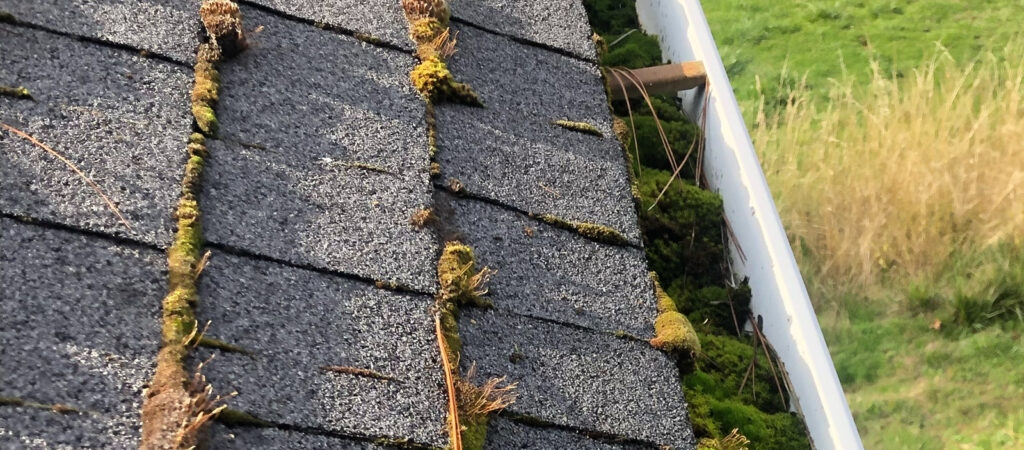
Blocked gutters can quickly lead to water overflowing onto roof edges and fascia boards, causing rot and structural damage. For a complete breakdown of gutter maintenance, including seasonal schedules and preventative tips, our comprehensive gutter cleaning guide covers everything homeowners need to know. Understanding these basics helps prevent costly repairs and extends the life of your roof.
When gutters are blocked:
- Water pools at the roof edge
- Moisture soaks into the fascia boards
- Shingles can lift or deteriorate prematurely
Over time, this leads to rot, mold, and shortened roof lifespan — especially on shaded rooflines.
Foundation and Crawl Space Issues
Overflowing gutters can pose serious risks of water near your foundation, leading to soil erosion, basement flooding, and structural issues. According to FEMA, proper drainage and timely maintenance of gutters are key to preventing foundation damage and costly repairs. Managing water flow away from your home is essential for maintaining the integrity of crawl spaces and basements.
Overflowing gutters dump large volumes of water directly next to your foundation. This can cause:
- Soil erosion
- Foundation cracks
- Crawl space moisture and mold
- Basement seepage
These are some of the most expensive problems a homeowner can face — and they often start with dirty gutters.
Siding, Paint, and Exterior Damage
When water cascades down the side of a home, it can lead to peeling paint, wood rot, and other exterior damage. Understanding how clogged gutters can cause leaks helps homeowners see the connection between routine maintenance and protecting siding, trim, and exterior finishes.
Addressing these issues early prevents costly repairs and preserves the curb appeal of your home.
Water cascading down the side of the home can:
- Stain siding
- Peel paint
- Encourage algae or mold growth
This not only affects curb appeal but also accelerates exterior wear and repainting cycles.
Landscape Damage
Overflowing gutters can have a big impact on your yard and garden, highlighting the importance of proper water management.
Research from the University of California Agriculture & Natural Resources details the effects of improper water drainage on landscaping, including soil erosion, plant damage, and water pooling. Keeping gutters clear ensures water is directed safely away from flower beds, shrubs, and lawns, protecting your outdoor spaces.
Clogged gutters often release water in concentrated streams, which can:
- Wash out mulch and soil
- Damage plants near the foundation
- Create uneven ground or pooling
Ironically, the landscaping homeowners work hard to protect is often damaged by neglected gutters.
Pest and Mosquito Problems
Standing water in gutters creates a breeding ground for:
- Mosquitoes
- Ants
- Birds and rodents
Debris-filled gutters also provide nesting material and shelter, increasing pest activity near your roofline.
Ice and Winter Damage Risks
In colder Southern Oregon areas, clogged gutters can contribute to:
- Ice buildup
- Gutter sagging or detachment
- Roof edge damage during freeze-thaw cycles
This is especially common on shaded or north-facing roof slopes.
Warning Signs You’ve Waited Too Long
Noticing water spilling over gutter edges is one of several key indicators that maintenance is overdue. Learning how to recognize the signs your gutters need cleaning can help you address problems before they lead to damage, keeping your roof and home protected. Paying attention to these early warnings makes seasonal cleanings more effective and prevents costly repairs down the line.
- Water spilling over gutter edges
- Sagging or pulling gutters
- Stains on siding or foundation
- Plants growing from gutters
- Leaks near the roof edges during rain
If you see any of these, damage may already be starting.
Protect Your Home with Professional Gutter Care by BUX
Regular gutter maintenance is essential for preventing costly roof, foundation, and landscape damage. While seasonal cleanings and inspections go a long way, sometimes it’s best to rely on professionals who can ensure your gutters are clear, properly functioning, and protecting your home year-round.
Our professional Gutter Cleaning Services provide expert inspections, debris removal, and maintenance plans tailored to Southern Oregon homes. Protect your roof, siding, and landscaping, and gain peace of mind knowing your gutters are in top condition.
Call us today or request a free quote, and we’ll come out to assess your gutters, recommend the best maintenance schedule, and help prevent damage before it starts.
Skipping gutter cleaning doesn’t save money — it delays problems until they’re more expensive to fix. Regular maintenance is one of the simplest ways to protect your roof, foundation, and exterior.
FAQs
-
Yes. When gutters are clogged, water backs up at the roof edge and can soak into fascia boards and shingles, leading to rot, leaks, and premature roof deterioration.
-
In tree-heavy areas of Southern Oregon, damage can begin within a single rainy season if gutters are left clogged.
-
They can. Overflowing gutters dump water next to the foundation, which may cause soil erosion, foundation cracks, or crawl space moisture issues over time.
-
Yes. Standing water and debris attract mosquitoes, insects, birds, and rodents that may nest near the roofline.
-
Water spilling over the gutter edge during rain is one of the earliest and most common warning signs.