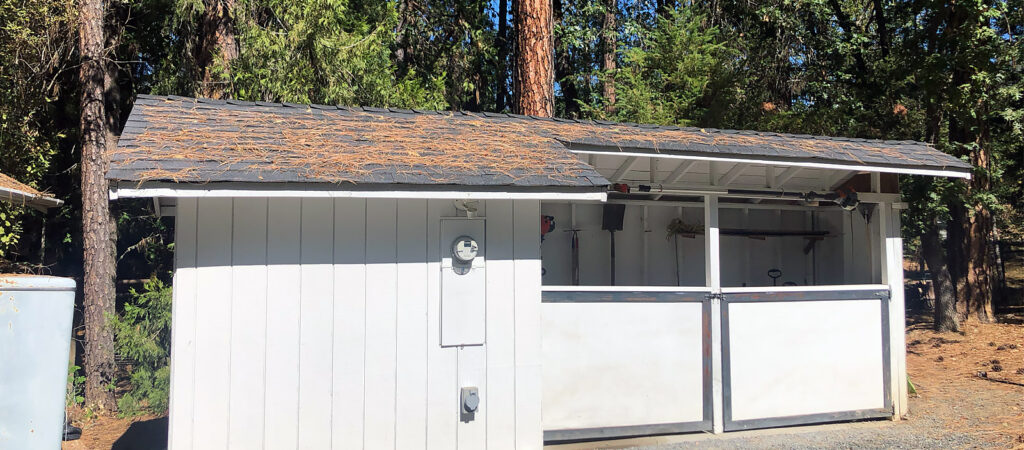
Early Signs a Roof Needs Cleaning Before Moss Appears
Key Takeaways
- A roof can need cleaning before moss becomes obvious
- Dark streaks, debris buildup, and slow-drying roof sections are early warning signs\
- Roof cleaning and roof moss removal are not always the same service
- Shaded, debris-prone roof areas often show signs of buildup first
- Catching roof buildup early can help reduce regrowth and moisture-related wear
- Southern Oregon roofs often need attention before the problem looks severe
A roof does not have to be covered in moss to need attention.
In fact, many roofs show signs of buildup and moisture-related wear long before obvious moss growth appears. By the time thick moss is visible from the ground, the conditions that support it have often been building for a while.
That is why routine roof cleaning is not just about appearance. It can also help homeowners catch early warning signs, reduce buildup, and stay ahead of issues before they turn into a bigger maintenance problem.
This guide covers the early signs a roof may need cleaning, even if there is no major moss growth yet, and what Southern Oregon homeowners should watch for from the ground.
Why a Roof May Need Cleaning Before Moss Shows Up
Many homeowners assume roof cleaning only matters once moss is clearly visible.
But moss usually is not the first sign that a roof is staying too damp or collecting too much organic buildup. In many homes, the earlier clues are more subtle: dark streaks, leaf accumulation, slow drying after rain, or dirty-looking areas that seem to keep coming back.
These signs matter because they often point to the same conditions that allow moss, algae, and other buildup to become more established over time.
A roof does not need to look dramatic to benefit from cleaning.
Sign 1: Dark Streaks or Discoloration Are Starting to Show
One of the earliest signs a roof may need cleaning is visible discoloration.
This may look like:
-
Dark streaks running down the roof sections
-
Dingy patches that make one area look older than the rest
-
Uneven staining near shaded slopes
-
Dirt or organic buildup that does not wash away with normal rain
Sometimes this is algae, general grime, or moisture-related staining rather than moss. Either way, it is often a sign that the roof surface is staying damp or collecting material that should not be left there too long.
Sign 2: Debris Is Building Up on the Roof Surface
Leaves, pine needles, small branches, and other organic debris are more than a cosmetic issue.
When debris sits on the roof, it can trap moisture and slow drying. It can also collect in valleys, behind chimneys, near transitions, and along lower edges where buildup tends to linger.
This is especially common in homes with mature trees or roof sections that do not get much direct sunlight.
If the roof is regularly collecting debris and not shedding it well, that is often a sign it could benefit from cleaning before the problem becomes moss-related.
Sign 3: Parts of the Roof Stay Damp Longer Than Others
A roof should begin drying reasonably evenly after rain or heavy morning moisture.
If certain sections stay darker, wetter, or dirtier-looking much longer than the rest, that is a clue those areas may be holding moisture in a way that encourages buildup.
This often happens on:
-
North-facing slopes
-
Roof sections below tree cover
-
Valleys and transitions
-
Lower-pitch areas that dry slowly
Even without visible moss, slower-drying areas can signal that the roof is becoming more favorable for future growth.
Sign 4: The Roof Looks Dull, Dirty, or Neglected From the Ground
Sometimes the issue is not one dramatic warning sign. It is the overall look of the roof.
If the roof appears:
-
Dingy
-
Patchy
-
Uneven in color
-
Dirtier than expected for its age
-
Heavier with buildup in certain sections
…that can be a sign that cleaning is overdue.
This does not always mean damage is already happening. But it often means the roof surface is collecting the kind of buildup that tends to get worse if left alone.
Sign 5: Gutters Keep Filling With Organic Roof Debris
The gutter system can reveal a lot about what is happening above it.
If gutters keep collecting:
-
Roof debris
-
Needles and leaves
-
Grit-like material
-
Dark organic buildup washing down from the roof
…it may be a sign the roof surface is holding more debris and moisture than it should.
In many cases, the roof and gutters are part of the same maintenance picture. When roof buildup is left in place, the drainage system often starts showing signs too.
Sign 6: You Are Seeing Early Buildup in the Same Areas Every Year
Some roofs develop repeat problem areas before obvious moss ever takes over.
Homeowners may notice that the same shaded section, valley, or tree-covered slope always starts looking dirty first. That pattern matters.
When buildup keeps returning in the same places, it usually means the underlying conditions are favorable for it:
-
Limited sunlight
-
Recurring debris
-
Slow drying
-
Moisture retention
Those are the kinds of conditions that often lead to larger roof-cleaning or moss-removal needs later if they are ignored.
Roof Cleaning Is Not Always the Same as Moss Removal
This is where some homeowners get confused.
A roof may need cleaning because of:
-
Dirt
-
Algae staining
-
Organic buildup
-
Debris accumulation
-
Early surface grime
That is not always the same as having an active moss problem.
Moss removal usually becomes the focus when moss is visibly established and needs to be addressed more directly. Roof cleaning, on the other hand, may be appropriate earlier, when the goal is to clear buildup, improve appearance, and reduce the conditions that let moss take hold later.
In other words, not every dirty roof needs moss removal — but a roof that needs cleaning today may be more likely to need moss removal later if nothing is done.
Why These Signs Matter in Southern Oregon
Southern Oregon roofs often deal with the exact conditions that make early buildup easy to overlook and easy to underestimate.
Common contributors include:
-
Mature trees
-
Seasonal moisture
-
North-facing roof slopes
-
Pine needles and leaf debris
-
Shaded areas that dry slowly
That is why many local roofs do not go straight from “clean” to “heavy moss.” They go through a stage where buildup, staining, and moisture-retaining debris start collecting first.
Catching that stage earlier can make the roof easier to maintain and may help reduce how quickly larger moss problems develop.
What Homeowners Can Check From the Ground
You do not need to climb on the roof to notice early warning signs.
From the ground, you can often look for:
-
Dark streaks or dirty-looking sections
-
Debris sitting in valleys or along lower edges
-
Areas that stay damp-looking after rain
-
Uneven roof color
-
Repeat buildup below overhanging branches
-
Gutters collecting unusual amounts of roof debris
A pair of binoculars can help. What is not worth doing is walking a damp or dirty roof just to investigate a maintenance concern.
What to Do if You Notice These Signs
If you are seeing early signs of buildup, the best next step is usually not to wait for the roof to look worse.
A better approach is to:
-
Monitor repeat problem areas
-
Keep gutters and valleys clear
-
Trim branches where practical
-
Address buildup before it becomes thick or established
-
Use roof-safe cleaning methods suited to the roofing material
If the roof is steep, older, or already showing more established organic growth, it often makes sense to deal with it before the issue turns into a larger moss-removal project.
For a broader look at safe cleaning methods and long-term care, see our roof cleaning service page. If you are trying to understand when buildup has crossed over into a true moss problem, it also helps to know the early signs that roof moss is damaging your roof.
Final Thought
A roof does not need visible moss to need cleaning.
Dark streaks, trapped debris, slow drying, and repeated buildup in shaded areas are all signs that the roof may be moving in the wrong direction. Catching those signs early can help homeowners stay ahead of larger cleaning and moss problems later on.
If a roof looks increasingly dirty, patchy, or slow to dry, that is often reason enough to take a closer look.
FAQs
-
Yes. A roof can need cleaning because of debris, algae, dark streaks, or organic buildup even when visible moss is not present.
-
The first signs a roof needs cleaning often include dark streaks, debris buildup, slow-drying sections, uneven roof color, and dirty-looking areas that keep returning.
-
No. Roof cleaning usually addresses dirt, algae, and debris buildup, while moss removal is typically needed when moss is visibly established on the roof.
-
Often, yes. Dark streaks can be a sign of algae, grime, or moisture-related buildup that may mean the roof needs cleaning.
-
Yes. Debris can trap moisture and create favorable conditions for moss growth, especially on shaded or slow-drying roof sections.