Early Signs Dirty Solar Panels Are Costing You Energy
Key Takeaways
-
Dirty solar panels can lose output gradually before the problem looks severe
-
Light buildup can still reduce performance, especially when it accumulates unevenly
-
The earliest signs are often subtle, not dramatic
-
Southern Oregon conditions can leave residue on panels even when they do not look heavily soiled
-
Delaying cleaning too long can make performance loss easier to miss and harder to track
-
Regular cleaning helps protect consistent energy production over time
Solar panels do not have to look terrible to start underperforming.
In many cases, the first effects of dirty solar panels are easy to miss. Output may slip gradually, buildup may affect certain panels more than others, and the system may still be producing enough energy that the problem does not feel urgent right away.
That is part of what makes panel cleaning easy to put off.
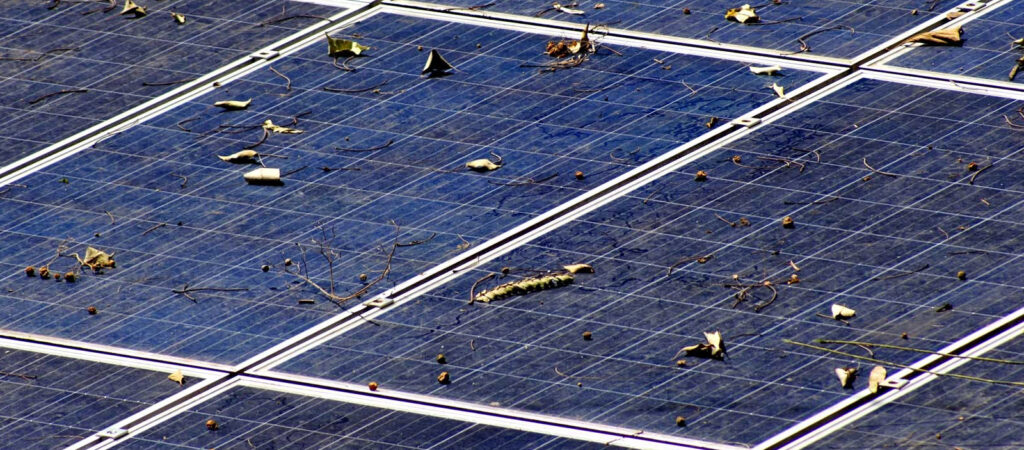
But over time, dust, pollen, ash, bird droppings, and other buildup can start reducing performance in ways that are not always obvious from the ground. In Southern Oregon, where seasonal pollen, summer dust, wildfire smoke, and debris all play a role, that slow decline can add up.
This guide explains the early signs dirty solar panels may be costing you energy, why the loss is easy to overlook, and when it may be time to clean the system.
Why Dirty Solar Panels Are Easy to Ignore at First
One reason solar panel cleaning gets delayed is that the problem usually builds slowly.
Panels may still be generating electricity. The system may not show any dramatic warning. From the ground, the glass may not even look especially dirty. And unless a homeowner is checking production closely, gradual performance loss can be hard to notice.
That is why dirty panels often go unaddressed longer than they should.
The issue is not always that the panels look bad. It is that buildup on the surface that can start reducing how efficiently sunlight reaches the cells, especially when that buildup becomes more concentrated in certain areas.
Sign 1: Energy Production Seems Lower Than Expected
One of the clearest signs that dirty solar panels may be costing you energy is that output starts slipping compared with what you normally expect.
This does not always mean production suddenly drops. More often, it looks like:
-
Lower-than-expected performance over time
-
Output that seems weaker during otherwise favorable weather
-
Less seasonal rebound than expected after darker months
-
Production that feels slightly off without an obvious system failure
For many homeowners, this is the first meaningful sign that surface buildup is starting to matter.
Sign 2: Certain Panels or Sections Look Dirtier Than Others
Solar buildup is not always uniform.
Some panels may collect more:
-
Dust
-
Pollen
-
Smoke residue
-
Bird droppings
-
Tree debris
-
Water spotting
When certain sections stay dirtier than others, those parts of the system may not perform as evenly. This is one reason dirty panels can become more than just a cosmetic issue.
A system does not have to be covered edge to edge in grime for buildup to start affecting performance.
Sign 3: Residue Keeps Returning After Certain Seasons
In Southern Oregon, buildup often follows patterns.
Homeowners may notice that panels start looking worse after:
-
Heavy pollen periods
-
Dry, dusty summer stretches
-
Wildfire smoke events
-
Windy debris periods
-
Bird activity near the array
When the same types of residue keep returning, it often means cleaning is not just a one-time appearance issue. It may be part of maintaining more consistent production year to year.
Sign 4: The Panels Look Hazy, Spotted, or Film-Coated in Direct Light
Some of the most performance-relevant buildup is not dramatic from the ground.
Panels may still look “pretty clean” from a distance while actually having:
-
A light film of dust
-
Pollen residue
-
Hard water spotting
-
Patchy organic buildup
-
Sticky contamination that rain does not fully remove
This is especially common when sunlight hits the panels at an angle and reveals a dull or hazy look that is easy to miss otherwise.
When that kind of residue builds up over time, it can interfere with how much light reaches the panel surface efficiently.
Sign 5: The System Is Producing — Just Not as Consistently
Another reason buildup gets overlooked is that dirty panels usually do not stop working altogether.
Instead, homeowners may still see production, but with less consistency than expected. The system may continue doing its job, just not as well as it could.
That is why dirty panels can quietly reduce performance without making the issue feel urgent. The system is still running, so cleaning gets pushed further down the list.
Sign 6: It Has Been a Long Time Since the Panels Were Cleaned
Sometimes the clearest sign is simply time.
If the panels have gone through multiple seasons of pollen, dust, smoke, rain spotting, and general exposure without being cleaned, there is a good chance that buildup is affecting performance more than it appears.
This is especially true in homes with:
-
Nearby trees
-
Rural dust exposure
-
Bird activity
-
Long dry periods
-
Panels installed at angles where residue tends to linger
When enough time passes, the question often becomes less “Do they look dirty enough?” and more “How much output have they quietly given up already?”
Why the Energy Loss Is Easy to Miss
Dirty solar panels usually do not announce themselves with a major failure.
The performance loss is often gradual, and that makes it easy to normalize. Homeowners may assume:
-
Seasonal variation explains it
-
The panels are still “clean enough”
-
Rain probably washed them off
-
A small drop does not matter much
Sometimes those assumptions are partly true. But over time, small reductions can add up, especially when buildup keeps returning, and cleaning keeps getting postponed.
What Tends to Build Up on Solar Panels in Southern Oregon
Southern Oregon panels can deal with more than just ordinary dust.
Common local contributors include:
-
Spring pollen
-
Summer dust
-
Wildfire smoke residue
-
Bird droppings
-
Tree debris
-
Mineral spotting after moisture dries
That mix can leave panels looking only mildly dirty while still affecting how cleanly light reaches the glass.
This is one reason local cleaning needs do not always match generic advice from other climates.
What Homeowners Can Watch for From the Ground
You do not need to climb up to spot useful clues.
From the ground, homeowners can often look for:
-
Visible residue or haze in direct light
-
Uneven dirt patterns across the array
-
Bird droppings or stuck organic matter
-
A dull film that rain does not seem to remove
-
Repeat buildup after certain seasons or events
If your monitoring app or utility data also suggests performance is a little lower than expected, that combination is usually worth paying attention to.
When Cleaning Starts Making More Sense
Cleaning becomes more worthwhile when the buildup is:
-
Visible and persistent
-
Returning repeatedly
-
Uneven across the system
-
Paired with lower-than-expected output
-
Not being removed effectively by normal weather
The goal is not to obsess over perfectly spotless panels. It is to avoid letting manageable buildup quietly reduce production over longer stretches of time.
What to Do if You Notice These Signs
If you are seeing signs that dirty panels may be affecting performance, the next step is usually to compare what you are seeing on the panels with what the system has been producing.
That may mean:
-
Looking at recent production trends
-
Noting seasonal buildup patterns
-
Watching for recurring residue after pollen, dust, or smoke events
-
Cleaning the panels with safe methods appropriate for solar glass
-
Avoiding abrasive tools or methods that can cause damage
If the system is difficult to access safely, or the buildup is persistent and not coming off easily, professional cleaning may make more sense than trial-and-error DIY cleaning.
For a broader look at cleaning frequency, timing, and safe methods, see our guide to cleaning solar panels in Southern Oregon. If you are trying to decide whether cleaning is worth it, it may also help to read about whether cleaning solar panels increases energy output.
Final Thought
Dirty solar panels do not need to look terrible to start costing you energy.
The earliest signs are often subtle: a little haze, repeated seasonal residue, slightly weaker production, or panels that keep collecting buildup faster than expected. In Southern Oregon, those issues can build gradually enough that homeowners do not realize cleaning would help until performance has already been reduced for a while.
That is why it helps to watch for early clues instead of waiting for the panels to look obviously neglected.
FAQs
-
Energy loss varies by environment, but dirty solar panels can lose anywhere from 5% to 20% efficiency over time, depending on dust, pollen, ash, and debris buildup.
-
Rain can remove loose dust, but it typically does not eliminate pollen residue, bird droppings, wildfire ash, or mineral deposits. In dry climates or during heavy pollen seasons, buildup can accumulate faster than rain can wash it away.
-
If buildup is left untreated for long periods, contaminants may bond to the glass surface, leading to staining or coating degradation. While rare in the short term, long-term neglect can increase this risk.
-
Yes. Reduced energy production means your system may rely more on grid power, which can increase electricity costs and reduce overall savings from your solar investment.
-
Most homes benefit from cleaning every 1–2 years, though properties exposed to heavy pollen, dust, ash, or bird activity may require more frequent maintenance.