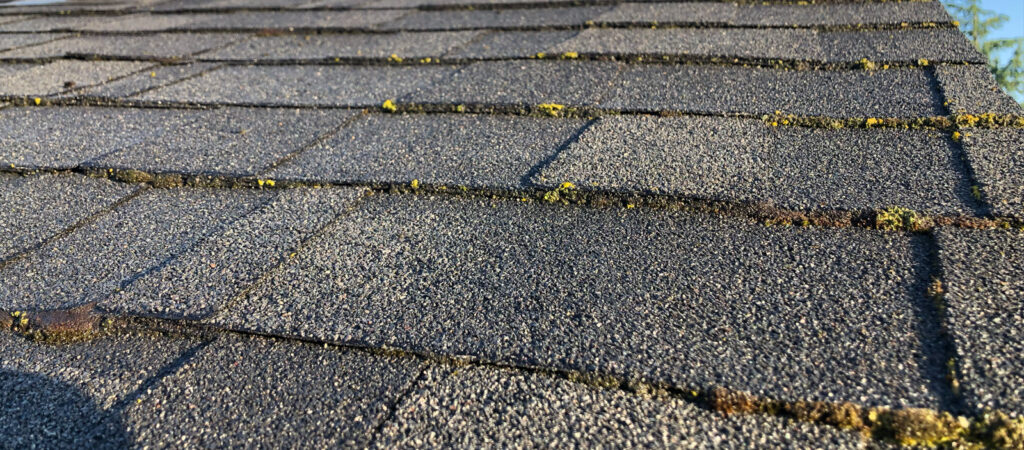
Roof Moss Removal Options Compared (DIY, Soft Wash, Manual, and Chemical Treatments)
Key Takeaways
- Not all roof moss removal methods are equal — some remove surface moss but fail to prevent regrowth.
- DIY and manual-only approaches often carry higher risk to shingles and typically deliver short-term results.
- Soft washing is a low-pressure, roof-safe method that removes moss at the root without damaging roofing materials.
- Chemical treatments and zinc or copper strips are most effective when paired with professional moss removal.
- For most Southern Oregon homes, a combined professional approach offers the best balance of safety, longevity, and value.
If you have moss growing on your roof, you’ll quickly discover there’s no shortage of opinions on how to remove it. DIY home remedies, manual scraping, soft washing, and chemical treatments all promise results — but they don’t deliver the same outcomes, risks, or long-term protection.
In Southern Oregon’s damp winters and tree-heavy neighborhoods, choosing the wrong moss removal method can shorten roof lifespan, void warranties, or cause unnecessary damage.
Below, we break down the four most common roof moss removal options so you can make an informed decision based on safety, effectiveness, and long-term value.
Method 1: DIY Roof Moss Removal
DIY moss removal usually involves store-bought sprays, homemade solutions (vinegar, bleach, baking soda), or physically brushing moss off the roof.
Pros
-
Low upfront cost
-
Immediate availability
-
Appeals to hands-on homeowners
Cons
-
High risk of shingle damage
-
Safety hazards from working at height
-
Inconsistent or short-lived results
-
Many DIY methods are not manufacturer-approved
DIY treatments often kill surface moss but leave roots embedded in shingles, allowing regrowth within months. Some chemicals can also strip protective granules or discolor roofing materials, especially asphalt shingles, common throughout Southern Oregon.
This is why DIY solutions are often addressed in more detail in DIY Moss Removal Myths and Can Moss Growth Void Your Roof Warranty?
Best for: Very light moss on easily accessible roofs — with full awareness of the risks
Not recommended for: Established moss growth, steep roofs, or homeowners insurance concerns
Method
Method 2: Manual Moss Removal
Manual removal involves physically scraping or brushing moss from the roof surface, often combined with a follow-up treatment.
Pros
-
Immediate visual improvement
-
Effective at removing thick moss buildup
-
No harsh chemicals when done alone
Cons
-
Can damage shingles if done aggressively
-
Does not prevent regrowth without treatment
-
Labor-intensive and skill-dependent
When performed improperly, manual scraping can lift shingles, remove granules, and expose the roof to premature aging. When done correctly by professionals, it’s often used as a first step — not a standalone solution.
This method is explored further in Manual Moss Removal vs. Chemical Treatment.
Best for: Heavy moss buildup when paired with a preventative treatment
Not ideal for: Homeowners seeking long-term protection without follow-up care
Method 3: Soft Washing (Low-Pressure Treatment)
Soft washing uses a low-pressure application to apply roof-safe solutions that kill moss at the root without damaging shingles.
Pros
-
Manufacturer- and warranty-friendly
-
Kills moss spores and roots
-
Minimal physical stress on roofing materials
-
Longer-lasting results than DIY or manual-only methods
Cons
-
Requires professional equipment and experience
-
Results may take days to appear as moss dies off naturally fully
Unlike pressure washing, soft washing is designed specifically for roofs. It allows moss to loosen and weather away over time, reducing the risk of shingle damage and granule loss.
For clarity, this is why soft washing is often recommended over pressure washing, as explained in Soft Washing vs. Pressure Washing for Roofs.
Best for: Most Southern Oregon homes with recurring moss issues
Ideal for: Homeowners focused on roof longevity and insurance compliance
Method 4: Chemical Moss Treatments (Zinc, Copper, and Professional Solutions)
Chemical treatments range from professional-grade moss inhibitors to zinc or copper strips installed near the roof ridge.
Pros
-
Strong long-term prevention
-
Reduces future moss regrowth
-
Can extend the time between cleanings
Cons
-
Not instant
-
Some treatments require rainfall activation
-
Strips alone won’t remove existing moss
Zinc and copper strips don’t remove moss immediately — they prevent regrowth over time as rainwater distributes metal ions across the roof surface. When paired with soft washing or manual removal, chemical treatments are among the most effective long-term strategies.
Learn more in Do Zinc and Copper Strips Stop Roof Moss? and Best Roof Moss Prevention Treatments.
Best for: Long-term prevention plans
Most effective when: Combined with professional removal
Side-by-Side Comparison of Roof Moss Removal Options
| Method | Removes Existing Moss | Prevents Regrowth | Risk to Roof | Longevity |
|---|---|---|---|---|
| DIY | Partial | Low | High | Short |
| Manual Only | Yes | Low | Medium | Short |
| Soft Washing | Yes | Medium–High | Low | Medium–Long |
| Chemical + Soft Wash | Yes | High | Low | Long |
So, Which Roof Moss Removal Option Is Best?
For most homes in Southern Oregon, professional soft washing combined with preventative treatment provides the best balance of safety, effectiveness, and long-term value.
DIY and manual-only approaches often cost less upfront but can lead to faster regrowth — or worse, costly roof repairs.
If moss is already widespread, delaying proper treatment can increase the risk of leaks, shingle deterioration, and insurance issues, all of which are covered in Roof Moss Risks and Does Moss Cause Roof Leaks?
Final Takeaway
Not all roof moss removal methods are created equal. Choosing the right approach depends on your roof type, moss severity, long-term goals, and risk tolerance.
While DIY options may seem appealing, professional moss removal methods are designed to protect your roof — not just make it look better temporarily.
If you’re unsure which option fits your roof, a professional assessment can help you avoid unnecessary damage and choose a solution that actually lasts.
FAQs
-
Soft washing is widely considered the safest roof moss removal method because it uses low pressure and roof-approved solutions to kill moss at the root without damaging shingles or removing protective granules.
-
DIY moss removal may improve appearance temporarily, but it often fails to kill moss roots and spores. Many DIY methods can also damage shingles or shorten roof lifespan if used incorrectly.
-
Manual removal can damage shingles if scraping is aggressive or improperly done. When used carefully and paired with a preventative treatment, it can be effective, but it’s rarely recommended as a standalone solution.
-
Zinc and copper strips can help prevent moss regrowth over time by releasing metal ions when it rains. However, they do not remove existing moss and work best when combined with professional moss removal.
-
A professional soft wash combined with a preventative treatment typically delivers the longest-lasting results, especially in moss-prone areas like Southern Oregon.