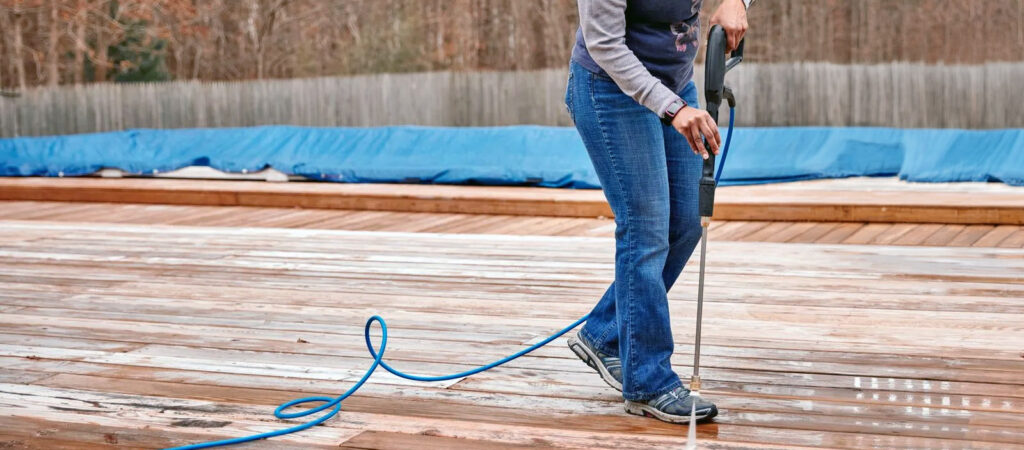
Should You Rent a Pressure Washer or Hire a Pro in Southern Oregon?
Key Takeaways
Renting a pressure washer can make sense for some simple concrete cleaning jobs.
DIY pressure washing gets riskier on siding, decks, fences, painted surfaces, and areas around windows or trim.
The biggest DIY mistakes usually involve too much pressure, poor technique, or unrealistic expectations.
Hiring a professional often makes more sense when the surface is delicate, weathered, elevated, or easy to damage.
The true cost of DIY includes time, cleanup, rental fees, and the risk of repairs if something goes wrong.
The best choice depends on the surface, the buildup, and how much risk you are taking on.
Pressure washing can look simple from the outside. Rent a machine, spray off the dirt, and the house, driveway, or patio looks better by the end of the day. On some surfaces, that can be true. On others, it is where expensive mistakes start.
In Southern Oregon, homeowners often deal with dusty concrete, slippery algae, dirty siding, weathered wood, and seasonal grime that makes exterior cleaning feel worth tackling. But the real question is not just whether pressure washing can improve the surface. It is whether doing it yourself is the smartest way to get there.
This guide breaks down when renting a pressure washer makes sense, when hiring a professional is the safer call, and where homeowners are most likely to run into damage, wasted time, or disappointing results.
When Renting a Pressure Washer Can Make Sense
DIY pressure washing is not always a bad idea. In the right situation, it can be a reasonable option for a homeowner who understands the limits of the job.
Simple Concrete Jobs Are Usually the Best DIY Candidates
If you are cleaning a straightforward surface like:
- a basic concrete driveway
- a sidewalk
- a small walkway
- a simple patio slab
then renting a pressure washer may be enough to get decent results.
These surfaces are generally more durable than siding, trim, wood, or painted exteriors. They are also easier to access and usually more forgiving if your technique is not perfect.
The Job Is Lower Risk When the Surface Is Durable
Concrete is one of the safest categories for DIY pressure washing because it is less likely to be damaged by moderate mistakes. That does not mean technique does not matter, but it does mean the risk is lower than on a house exterior or wood surface.
If your main goal is to remove dirt, algae, or general buildup from a durable hard surface, DIY may be worth considering.
For more on that, see Pressure Washing Driveways in Southern Oregon: Oil Stains, Algae, and What Actually Works.
You Already Know What the Job Involves
DIY makes more sense when you are realistic about:
- how long the job will take
- what the machine can and cannot do
- what stains may only improve instead of disappear
- where runoff and mess will go
- which nearby surfaces should not be treated the same way
That last point matters more than many homeowners think.
When Hiring a Pro Is Usually the Better Call
There is a big difference between spraying off a driveway and cleaning a house exterior safely. As soon as the surface becomes more delicate, more valuable, or more complicated, hiring a professional usually makes more sense.
Siding and House Exteriors
A house exterior is one of the most common places where DIY pressure washing goes wrong. Homeowners often assume the house just needs to be blasted clean, when in reality the safer method may be lower pressure or soft washing.
The risks can include:
- forcing water behind siding
- damaging painted trim
- leaving visible lines or marks
- hitting windows, screens, or fixtures too aggressively
- treating every surface like concrete
If the project involves siding, trim, soffits, or painted exterior areas, the risk level goes up quickly.
Related reading:
- House Washing in Southern Oregon: When Soft Washing Is Better Than High Pressure
- Siding Washing 101: Vinyl vs. Hardie vs. Painted Wood (What’s Safe?)
Decks and Fences
Wood is another category where hiring a pro often makes more sense. It is easy to scar wood, raise the grain, strip stain unevenly, or leave the surface rougher than it started.
This is especially important if the deck or fence is:
- stained
- older
- weathered
- cedar
- going to be refinished later
A mistake on wood can create extra sanding, extra prep, or a visibly damaged finish.
Related reading:
- Deck Cleaning: When to Use Pressure vs. Soft Wash (and How to Avoid Damage)
- Fence Washing: Cedar, Pressure-Treated, and Stained Fences
Elevated or Awkward Areas
The more difficult the access, the less DIY usually makes sense. Multi-level exteriors, high siding, awkward corners, roof-adjacent surfaces, and narrow access areas all increase the chance of poor results or avoidable mistakes.
Surfaces With Paint, Finish, or Age Concerns
If a surface is older, painted, weathered, or already showing wear, aggressive DIY cleaning can make the weak spots much more visible. Even if the machine is technically capable of cleaning the area, that does not mean it is the right approach.
The Hidden Costs of DIY Pressure Washing
One of the biggest reasons homeowners choose DIY is to save money. Sometimes that works. Sometimes it only looks cheaper at first.
Rental Fees Are Only Part of the Cost
The machine rental itself is just one part of the equation. You also have to consider:
- fuel or power needs
- travel time to pick up and return equipment
- any cleaning products or accessories
- your time
- your cleanup time afterward
For a small, simple job, that may still be worth it. For a larger or trickier job, the savings can shrink fast.
Your Time Has a Cost Too
Even a driveway can take longer than expected. Add setup, moving obstacles, learning the machine, dealing with runoff, and cleanup, and a “quick job” can easily turn into most of the day.
If the surface is larger, unevenly stained, or harder to access, the time commitment grows quickly.
Mistakes Can Cost More Than the Rental
This is the part homeowners often underestimate. A stripped wood surface, damaged paint edge, unevenly cleaned section, or water intrusion problem can easily wipe out the money saved by renting the machine.
That does not mean DIY is never worth it. It just means the real comparison is not rental fee vs service price. It is:
- rental fee
- your time
- the quality of the result
- the chance of making the job worse
The Most Common DIY Pressure Washing Mistakes
Most DIY pressure washing problems come down to a few predictable issues.
Using Too Much Pressure
A lot of homeowners assume that stronger pressure means faster cleaning. But on many surfaces, it just means more damage.
Too much pressure can:
- scar wood
- strip paint
- leave lines
- wear down surfaces
- force water where it should not go
Using the Wrong Spray Angle
Technique matters just as much as pressure. Spraying at the wrong angle can push water behind siding, damage seams, or clean unevenly.
Expecting Every Stain to Disappear
Some buildup comes off easily. Some does not. Oil stains, older discoloration, and deeper staining may improve significantly without disappearing completely.
This is one reason DIY jobs sometimes feel disappointing even when the machine is working correctly.
Treating Every Surface the Same
This is one of the most common errors. A homeowner may pressure wash:
- driveway concrete
- siding
- patio pavers
- painted trim
- wood fencing
all with the same machine setup and technique.
That is where problems happen. Different materials need different approaches.
For a full overview, see Pressure Washing in Southern Oregon: What It Cleans, What It Can Damage, and When to Call a Pro.
Surface-by-Surface: Where DIY Is More or Less Risky
Not every pressure washing job carries the same level of risk.
Lower-Risk DIY Jobs
These are often the most reasonable surfaces for homeowners to tackle:
- basic concrete driveways
- sidewalks
- simple walkways
- some plain concrete patios
Medium-Risk DIY Jobs
These can go well, but mistakes are more common:
- larger patios
- more heavily stained concrete
- asphalt
- pavers
- surfaces with nearby trim or landscaping details
Higher-Risk Jobs Better Left to a Pro
These are the surfaces where hiring a pro usually makes more sense:
- siding
- house exteriors
- painted surfaces
- wood decks
- wood fences
- roofs or roof-adjacent surfaces
- elevated exterior areas
DIY Pressure Washing in Southern Oregon: Local Conditions Matter
Southern Oregon homes do not all get dirty the same way. Local exposure changes how hard the job is and how much risk a homeowner is taking on.
Some common factors include:
- dry-season dust
- pollen
- shaded algae growth
- irrigation overspray
- tree cover
- older exterior finishes
- mixed surface types on the same property
A simple driveway in an open, sunny area is one thing. A shaded home exterior with wood trim, dusty siding, and algae near the base is something else entirely.
When Hiring a Pro Saves Money in the Long Run
This is where the decision often becomes clearer. Hiring a pro may cost more upfront, but it can save money when:
- the surface is easy to damage
- the job is large or time-consuming
- the property has mixed materials
- appearance matters and you want a better result
- you want to avoid repairs or extra prep work later
This is especially true when the cleaning is part of a larger goal, like:
- prepping for painting
- getting ready to sell
- improving curb appeal
- addressing slippery algae
- cleaning multiple surfaces at once
How to Decide Which Option Is Smarter for Your Property
A few questions can help make the decision easier:
Is the surface durable or delicate?
Concrete is very different from painted siding or cedar fencing.
Is the job simple or mixed?
One driveway is simpler than a property with siding, trim, patio, and wood features.
Are you okay with “better,” or do you want a cleaner professional result?
DIY may be enough for a simple cleanup. If appearance really matters, professional service is often worth it.
What happens if you get it wrong?
A striped driveway may be annoying. Damaged siding or splintered wood is more expensive.
Are you actually saving enough to justify the time and risk?
Sometimes yes. Sometimes not.
Need Exterior Cleaning in Southern Oregon?
If you are deciding between renting equipment and hiring a professional, the best answer usually depends on the surface and the risk. Some simple concrete jobs are reasonable to tackle yourself. But once the project involves siding, painted surfaces, wood, or mixed materials, a professional approach often makes more sense.
At BUX Exterior Cleaning, we help Southern Oregon homeowners choose the right cleaning method for the surface instead of treating every job the same way. Whether the project involves a driveway, house exterior, patio, deck, or fence, the goal is cleaner results without unnecessary damage or wasted effort.
If you need pressure washing services in Southern Oregon, contact BUX Exterior Cleaning or call 541-414-6996.
FAQs
-
It can be, especially for simple concrete jobs like driveways, sidewalks, and walkways.
-
Hiring a professional makes more sense when the surface is delicate, painted, weathered, elevated, or easy to damage.
-
Yes. Too much pressure or the wrong spray angle can force water behind siding and damage trim or finishes.
-
Often, yes. Driveways are one of the more DIY-friendly surfaces because concrete is generally more durable.
-
Yes. Wood decks can be splintered, scarred, or stripped unevenly if the wrong pressure or technique is used.