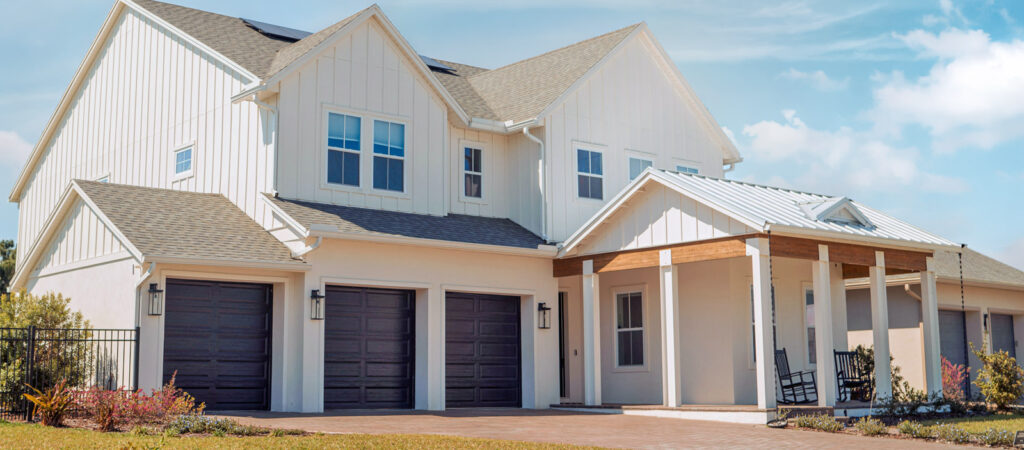
House Washing in Southern Oregon – When Soft Washing Is Better Than High Pressure
Key Takeaways
- House washing is often different from traditional high-pressure washing.
- Many home exteriors are better cleaned with a low-pressure or soft-washing approach.
- Siding, trim, painted surfaces, and window areas can be damaged if too much pressure is used.
- Southern Oregon homes commonly deal with dust, pollen, spider webs, splashback, and algae or mildew in shaded areas.
- The safest cleaning method depends on the material, age, finish, and condition of the house exterior.
- Whole-house exterior cleaning should be based on what the surfaces actually need, not just on using the strongest pressure possible.
Many homeowners use the term “pressure washing” to describe almost any kind of exterior cleaning. But when it comes to washing a house, high pressure is often not the safest or most effective approach.
In Southern Oregon, homes collect a mix of dust, pollen, spider webs, splashback, and shaded organic buildup over time. That makes routine exterior cleaning valuable, especially for maintaining curb appeal and preventing grime from settling in. But siding, trim, painted surfaces, and window areas usually need more care than concrete or other hard surfaces.
This is where house washing and soft washing come in. In many cases, the goal is not just to get the exterior clean. It is to get it clean without forcing water where it should not go, wearing down finishes, or causing unnecessary damage.
What House Washing Actually Means
House washing is the process of cleaning the home’s exterior surfaces, usually including siding, trim, soffits, and the visible exterior areas around windows, doors, and entry points.
Many homeowners think of this as pressure washing the house, but in practice, whole-house cleaning often uses a more controlled approach. The goal is to remove dirt, organic buildup, cobwebs, and general grime while protecting the materials that make up the outside of the home.
That matters because a house exterior is not one uniform surface. A single home may include:
- siding
- trim
- painted wood
- fiber cement
- soffits
- fascia
- window surrounds
- garage door trim
- porch or entry details
Each of these can respond differently to cleaning.
Why High Pressure Is Not Always the Right Choice for a House Exterior
High pressure has its place on durable surfaces like concrete, but a house exterior is a different category entirely. Even when the siding itself seems tough enough, surrounding details and finish conditions can change the risk.
Risk Around Siding Seams and Gaps
One of the biggest concerns with aggressive washing is water intrusion. If water is sprayed too forcefully or from the wrong angle, it can be pushed behind siding, into seams, or into vulnerable gaps around the home exterior.
That does not always create an immediate visible problem, which is part of why it gets overlooked. But it is one reason whole-house cleaning should be approached differently than driveway or walkway cleaning.
Painted Surfaces and Trim Can Be Damaged
Many Southern Oregon homes have painted trim, painted siding, or older exterior surfaces that are not ideal candidates for high-pressure washing. Too much pressure can:
- wear down paint
- leave visible marks
- strip failing finish
- expose weak areas
- increase prep work before repainting
That may be acceptable if a home is already being prepped for painting, but not if the goal is simple maintenance cleaning.
Windows, Screens, and Sensitive Areas Need More Care
Whole-house cleaning also involves working around:
- windows
- screens
- trim joints
- vents
- doors
- soffits
- exterior light fixtures
These areas are part of why house washing usually requires more control and more restraint than standard hard-surface pressure washing.
For a more material-specific breakdown, see our siding washing guide.
When Soft Washing Is the Better Option
Soft washing is often the better approach when the exterior surface is more delicate, more finish-sensitive, or more vulnerable to water intrusion. Instead of relying mainly on force, soft washing uses a gentler cleaning approach better suited to house exteriors.
That often makes more sense for:
- siding
- painted surfaces
- trim
- soffits
- exterior wood details
- homes with older finishes
- areas where grime, algae, mildew, and cobwebs are the main issue
In many cases, the house does not need stronger pressure. It needs the right cleaning method for the material and the buildup.
This is especially true when the goal is to clean the house while preserving paint, finish quality, and overall condition.
What Makes Southern Oregon Homes Get Dirty
Southern Oregon homes deal with a specific mix of conditions that make exterior cleaning important.
Dust and Dry-Season Buildup
Dry weather, open exposure, and everyday traffic can leave a noticeable layer of dust and grime on siding, trim, and entry areas. This is especially common during warmer months and in more exposed areas.
Pollen and Seasonal Film
Spring can leave a fine layer of pollen on home exteriors, especially around siding, trim, porch areas, and windows. Even when it is not causing damage, it can make the home look dull or neglected.
Spider Webs and Insect Activity
Spider webs and insect buildup are common around eaves, soffits, entry lights, corners, and covered exterior areas. This is one of the most common reasons homeowners start noticing that the house exterior needs attention.
Algae, Mildew, and Shade-Related Grime
On the shadier side of the house, moisture can linger longer, especially during wetter seasons or in tree-covered areas. That can lead to green buildup, darker staining, or general dinginess that does not respond well to neglect.
Splashback Near Lower Walls
Lower portions of siding often collect grime from rain splash, soil contact, irrigation, and general runoff. This can make the bottom edges of a home look much dirtier than the rest of the exterior.
House Washing vs Pressure Washing: What’s the Difference?
The two terms are related, but they are not always the same thing.
Pressure washing usually refers to cleaning with stronger water pressure, especially on durable surfaces like:
- concrete
- driveways
- sidewalks
- some patios
House washing is broader. It refers to cleaning the home’s exterior surfaces safely and effectively, which often means using a lower-pressure or soft washing approach where needed.
In other words, a homeowner may say they want the house pressure washed, but the safest professional approach may involve a gentler method for the siding and trim, with stronger pressure reserved only for appropriate hard surfaces nearby.
For a broader overview, see Pressure Washing in Southern Oregon: What It Cleans, What It Can Damage, and When to Call a Pro.
What Surfaces Around a House May Be Cleaned Differently
One reason whole-house exterior cleaning requires judgment is that nearby surfaces often need different treatment.
For example:
- siding may need a gentler method
- trim and soffits may need extra care
- driveways and walkways may handle pressure well
- patios may depend on material type
- wood features may require a more cautious approach
That is why a true house washing job is not just about spraying the whole property one way. It is about matching the method to each surface.
Related reading:
Signs Your House Exterior Needs Washing
Not every home needs washing on the same schedule, but there are common signs that it may be time.
These include:
- siding that looks dull or dingy
- visible pollen or dust film
- spider webs around eaves and entry points
- green or dark buildup in shaded areas
- grime near lower walls
- dirty-looking trim and soffits
- uneven appearance between sunny and shaded sides of the house
In many cases, homeowners notice the front of the home first, then realize the side or back elevations are holding more buildup than expected.
How Often Should a House Be Washed in the Rogue Valley?
That depends on the home and its exposure.
Some of the biggest factors include:
- tree cover
- shade
- pollen exposure
- dust exposure
- moisture retention
- homeowner expectations for appearance
- whether the home is being maintained proactively or cleaned reactively
For some homes, annual or near-annual exterior washing makes sense. Others may need it less often, especially if exposure is lower and visible buildup is minimal.
For a deeper breakdown, see How Often Should You Clean Exterior Surfaces in the Rogue Valley?.
When to Schedule House Washing in Southern Oregon
Timing depends on why you want the house cleaned.
A few common times include:
- spring, after wet-season grime and pollen buildup
- early summer, when homeowners want the property looking cleaner for outdoor use
- before listing a home for sale
- before hosting guests or events
- before exterior painting or other improvement work
If the main issue is visible buildup rather than a calendar-based schedule, it is often best to clean when the exterior actually needs it instead of waiting for a fixed date.
For more on timing, see Best Time of Year to Pressure Wash or Soft Wash in Southern Oregon.
DIY House Washing vs Hiring a Pro
Some homeowners try to wash their house themselves, especially if they already own pressure washing equipment or plan to rent it. But house exteriors are often less forgiving than they look.
Common DIY problems include:
- using too much pressure
- spraying at the wrong angle
- forcing water behind siding
- damaging painted trim
- leaving uneven results
- treating every part of the home the same way
On a simple concrete driveway, DIY mistakes are often easier to recover from. On siding, painted surfaces, and finished trim, the cost of a mistake can be much higher.
If you are weighing the pros and cons, see Should You Rent a Pressure Washer or Hire a Pro in Southern Oregon?.
How to Prepare for a House Washing Appointment
A few simple steps can make house washing easier and smoother:
- close windows securely
- move lightweight outdoor items if needed
- clear access near walls and entry points
- secure pets
- point out any areas of concern
- mention delicate fixtures or problem spots in advance
For a full checklist, visit our pressure washing prep guide.
Need House Washing in Southern Oregon?
If your siding, trim, soffits, or exterior surfaces are looking dusty, dull, or buildup-heavy, house washing can make a noticeable difference. The key is using the right method for the surface instead of assuming every job needs high pressure.
At BUX Exterior Cleaning, we help Southern Oregon homeowners safely and effectively clean house exteriors based on the materials, finish condition, and type of buildup involved. Whether the job calls for a soft washing approach, controlled pressure, or a mix of methods, the goal is cleaner results without unnecessary risk.
If you need pressure washing services in Southern Oregon, contact BUX Exterior Cleaning or call 541-414-6996.
FAQs
-
Not always. House washing often uses a lower-pressure or soft washing approach that is safer for siding, trim, and painted surfaces.
-
Sometimes, but it depends on the material and technique. Too much pressure can damage siding, trim, and painted surfaces.
-
Soft washing is a gentler cleaning method often used for house exteriors and other surfaces that should not be cleaned with high pressure.
-
Southern Oregon homes commonly collect dust, pollen, spider webs, splashback, and organic buildup, especially in shaded areas.
-
It depends on tree cover, shade, dust, and visible buildup. Some homes benefit from annual washing, while others need it less often.