How Proper Gutter Cleaning Prevents Roof Moss Growth (in Southern Oregon)
Key Takeaways
- How clogged gutters create ideal conditions for roof moss growth
- The connection between moisture retention, debris, and moss
- Why gutter maintenance matters even if moss isn’t visible yet
- How gutter cleaning prevents roof moss and supports treatments
- When combined, roof and gutter maintenance is most effective
Many homeowners treat gutter cleaning and roof moss as two separate issues. In reality, they’re closely connected.
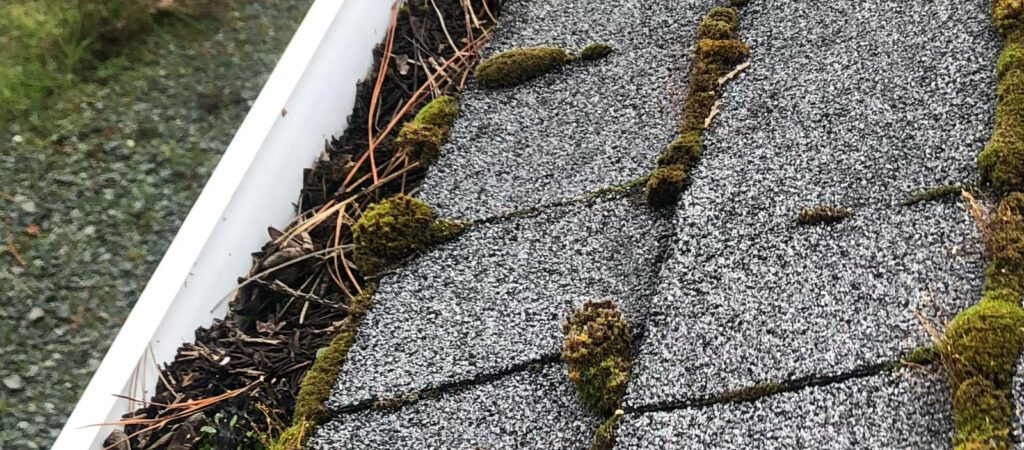
In Southern Oregon’s damp fall and winter seasons, clogged gutters often accelerate roof moss growth by trapping moisture, debris, and organic matter along the roofline. Over time, this creates the perfect environment for moss to take hold — especially on shaded or north-facing roof slopes.
Understanding this connection is key to preventing moss, not just removing it.
How Clogged Gutters Contribute to Roof Moss Growth
Before breaking down the specific ways clogged gutters create the perfect environment for moss, it helps to understand how gutter systems are supposed to work—and what happens when routine cleaning is skipped.
1. Moisture Retention at the Roof Edge
When gutters are clogged, water can’t drain properly. Instead, it:
-
Pools near the roof edge
-
Backs up under shingles
-
Keeps roof surfaces damp far longer than normal
Moss thrives in consistently moist conditions. Prolonged moisture exposure allows moss spores to settle, germinate, and spread.
2. Debris Accumulation Feeds Moss
Leaves, pine needles, and organic debris don’t just clog gutters — they also:
-
Collect along the roof edges
-
Break down into nutrient-rich material
-
Trap moisture against shingles
This organic buildup acts as a growth medium for moss, especially during cooler months.
3. Overflow Creates Streaking and Shade Zones
Overflowing gutters cause water to run down roof sections unevenly, leading to:
-
Persistent wet streaks
-
Increased shade in certain roof areas
-
Inconsistent drying after rain
These conditions encourage moss growth in specific patterns often mistaken for “roof defects.”
Why This Matters in Southern Oregon
Understanding Southern Oregon’s wet winters and mild temperatures helps explain why gutter maintenance plays such a critical role in moss prevention. According to Oregon State University Extension, prolonged moisture, shade, and organic debris create ideal conditions for moss to establish and spread on roofs and exterior surfaces.
Southern Oregon has a climate that naturally supports moss growth:
-
Wet winters
-
Heavy tree coverage
-
Frequent shade from evergreens
-
Mild temperatures
When clogged gutters are added to this mix, moss growth becomes far more aggressive and widespread.
This is why homes with neglected gutters often develop moss faster, even if the rest of the roof appears in good condition.
Gutter Cleaning as a Moss Prevention Strategy
Regular gutter cleaning is one of the most effective — and overlooked — ways to slow roof moss growth.
Clean gutters help by:
-
Allowing water to drain away from the roof quickly
-
Reducing debris accumulation near shingles
-
Improving airflow and drying time along the roof edges
When paired with roof moss treatments, gutter maintenance significantly improves long-term results.
How Gutter Cleaning Supports Roof Moss Treatments
To be effective long-term, gutter cleaning should work hand-in-hand with effective roof moss prevention treatments.
If moss removal or preventative treatments are applied while gutters remain clogged:
-
Moisture remains trapped near the roof edge
-
Debris continues feeding regrowth
-
Moss often returns sooner than expected
Clean gutters allow moss prevention treatments to:
-
Dry properly
-
Remain effective longer
-
Deliver more consistent results across the roof
This is why professional roof maintenance plans often recommend addressing gutters first or at the same time.
Signs Your Gutters May Be Contributing to Moss Growth
Moss growth rarely appears out of nowhere. Many of the early indicators show up in your gutter system first, especially when debris and moisture are allowed to build up over time. If you’ve already noticed other warning signs around your home, they often overlap with the signs your gutters need cleaning, making this an issue worth addressing sooner rather than later.
If you notice moss forming:
-
Along the roof edges
-
Near valleys or downspouts
-
In streaks below gutters
There’s a strong chance gutter drainage is part of the problem — even if the gutters don’t look completely blocked from the ground.
How Often Should Gutters Be Cleaned to Reduce Moss Risk?
Knowing how often gutters should be cleaned plays a major role in controlling moisture buildup and reducing the conditions that allow roof moss to take hold. Consistent gutter maintenance helps prevent overflow, standing water, and shaded damp areas along the roofline.
For most Southern Oregon homes:
-
At least once or twice per year is recommended
-
Homes with heavy tree coverage may need cleaning every 3–4 months
Fall cleaning is especially important, as winter moisture combined with debris buildup creates ideal moss conditions.
Gutter Cleaning + Roof Maintenance = Better Results
When gutter cleaning and roof maintenance are handled together, they function as a single preventative roof maintenance system rather than isolated tasks. Properly managing water flow along your roof edges dramatically reduces the conditions that allow moss, rot, and premature wear to take hold, as recommended by the International Association of Certified Home Inspectors (InterNACHI).
The most effective approach to roof care isn’t reactive moss removal — it’s preventative maintenance.
Combining:
-
Regular gutter cleaning
-
Roof inspections
-
Moss prevention treatments
Helps homeowners:
-
Reduce moss regrowth
-
Extend roof lifespan
-
Avoid unnecessary repairs
This integrated approach is especially important in shaded or tree-dense areas common throughout Southern Oregon.
Final Takeaway
Roof moss doesn’t start overnight — and it rarely starts without help. Clogged gutters quietly create the moisture and debris conditions moss needs to thrive.
By keeping gutters clean, homeowners take a critical step toward preventing moss growth, protecting their roof, and maintaining the long-term health of their home.
FAQs
-
Yes. Clean gutters allow water to drain away from the roof edge, reducing moisture retention and organic debris buildup that moss needs to grow.
-
Clogged gutters trap water and debris near the roofline, keeping shingles damp longer and creating ideal conditions for moss spores to settle and spread.
-
Yes. Partial clogs, compacted debris in downspouts, or buildup along roof edges can still cause moisture retention that encourages moss growth.
-
Yes. Cleaning gutters before moss removal or prevention treatments improves drainage and helps treatments last longer by reducing ongoing moisture exposure.
-
Most Southern Oregon homes should clean gutters at least once or twice per year, with more frequent cleanings for properties with heavy tree coverage.