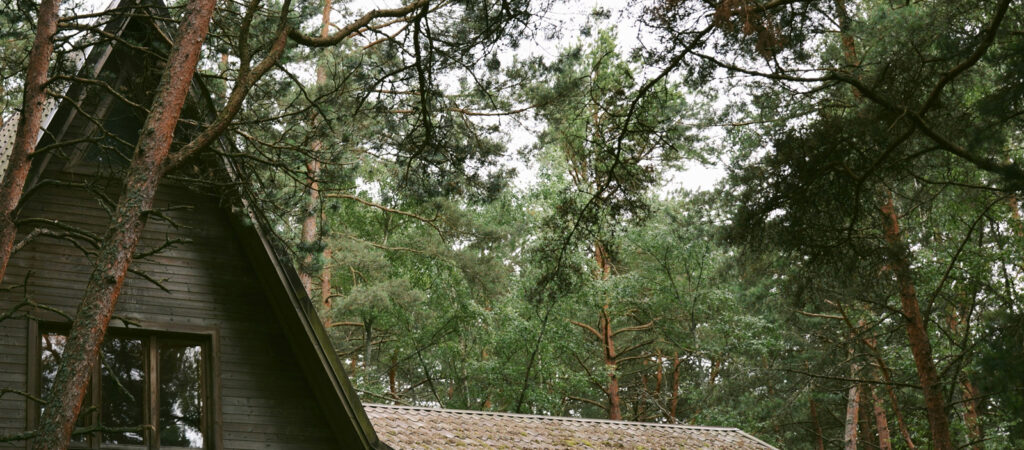
Gutter Cleaning for Homes With Lots of Trees in Southern Oregon
Key Takeaways
Why homes with heavy tree coverage need more frequent gutter cleaning
How pine needles, leaves, and organic debris affect gutter performance
Safety considerations for tree-heavy properties
Tips for preventing clogs and protecting your roof
When to call a professional
Homes surrounded by trees face unique challenges for gutter maintenance. Leaves, pine needles, acorns, and other debris can quickly accumulate, clogging gutters and downspouts. This trapped debris not only prevents proper water drainage but also creates ideal conditions for moss growth along the roof edge.
In Southern Oregon, many homes have dense foliage from pine, fir, oak, and maple trees — meaning gutter cleaning is not a one-and-done task. Regular inspection and maintenance are essential to avoid damage to your roof, siding, and foundation.
Common Challenges for Tree-Heavy Homes
Homes surrounded by mature trees face a different set of gutter challenges than properties with minimal canopy. Understanding how these issues fit into the bigger picture of proper gutter maintenance helps explain why more frequent cleaning is often necessary in tree-heavy areas.
Heavy Leaf and Needle Accumulation
Leaves and pine needles can accumulate faster than gutters can drain them, particularly in fall and winter. Moist, compacted debris slows water flow and can cause overflow or sagging gutters.
Organic Debris and Moss Growth
Tree debris often stays damp, which accelerates the growth of moss, algae, and mold. This not only affects gutter performance but also encourages roof moss along shaded edges.
Increased Risk of Pests
Standing water and trapped debris create an environment for insects, birds, and rodents to nest, which can cause additional blockages or damage.
Safety and Accessibility
Homes with large trees often have gutters that are difficult to reach safely. Overhanging branches can obstruct ladder placement, create unstable footing, or force homeowners to overreach—especially on multi-story homes.
According to safety guidance from organizations like the CDC, ladder-related falls are one of the leading causes of homeowner injuries, and the risk increases significantly when working near trees, wet surfaces, or uneven ground.
In these situations, professional equipment and trained access methods reduce risk while ensuring gutters are cleaned thoroughly.
Best Practices for Cleaning Gutters Around Trees
Tree-heavy properties tend to show warning signs sooner than homes with minimal canopy. Knowing the early signs your gutters are clogged makes it easier to time cleanings before buildup turns into overflow or damage.
Schedule More Frequent Cleanings
Homes surrounded by trees often need gutter cleaning more often than standard maintenance schedules suggest.
In many cases, knowing how often gutters should be cleaned helps homeowners plan 3–4 cleanings per year—especially after fall leaf drop and winter storms—to prevent debris from compacting and causing overflow.
Consider Professional Service
Professional gutter cleaners have the tools, safety equipment, and experience to handle tree-heavy homes safely. They can also flush downspouts and inspect for hidden damage that DIY cleaning might miss.
Use Gutter Guards Wisely
Gutter guards can help reduce large debris buildup, but they are not a substitute for cleaning in tree-heavy areas. Pine needles and small debris can still clog the system if guards are not maintained.
Trim Overhanging Branches
Whenever possible, trim branches away from the roofline to reduce debris accumulation and minimize risk during storms.
How Tree-Heavy Gutter Maintenance Helps Roof Health
Before diving into the benefits, it’s worth noting that industry experts like CertainTeed consistently emphasize the connection between proper gutter maintenance and roof performance. When gutters are neglected—especially in tree-heavy environments—moisture-related roof damage becomes far more likely.
Maintaining gutters in tree-heavy areas supports roof longevity by:
-
Preventing water from pooling along the roof edges
-
Reducing moss growth on shaded or north-facing slopes
-
Minimizing rot and damage to fascia and siding
-
Lowering long-term repair costs
Regular cleaning ensures water flows correctly, protects your investment, and keeps your home safe from moisture-related issues.
Final Takeaway
Homes surrounded by trees in Southern Oregon require special attention when it comes to gutter cleaning. Frequent inspections, professional help when necessary, and preventative measures like trimming branches and maintaining guards can save homeowners time, money, and roof damage in the long run.
FAQs
-
Homes surrounded by trees accumulate leaves, pine needles, acorns, and other debris more quickly, which can clog gutters and downspouts and increase the risk of roof moss and water damage.
-
Most Southern Oregon homes with heavy tree coverage should plan for 3–4 cleanings per year, especially after fall and winter, to prevent debris from compacting and blocking water flow.
-
Most Southern Oregon homes with heavy tree coverage should plan for 3–4 cleanings per year, especially after fall and winter, to prevent debris from compacting and blocking water flow.