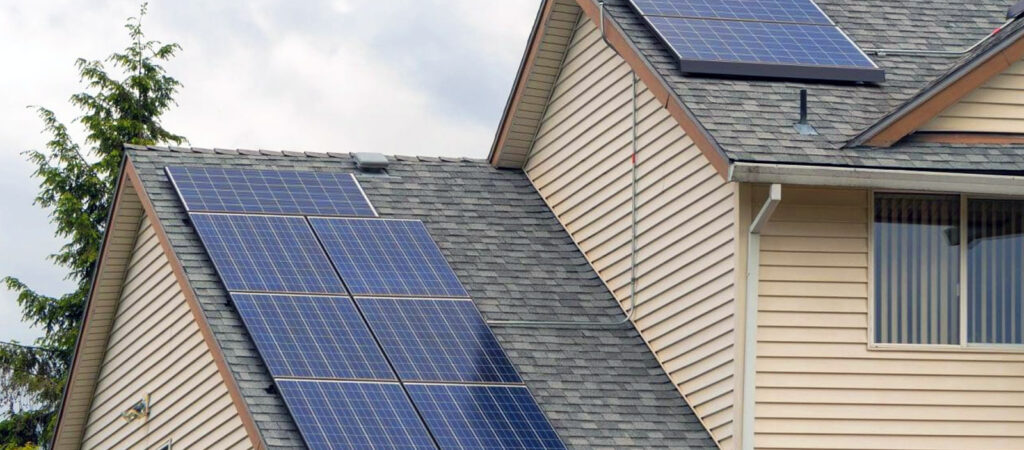
The Ultimate Guide to Cleaning Solar Panels (Southern Oregon Edition)
Key Takeaways
- Solar panels in Southern Oregon often collect pollen, dust, smoke residue, bird droppings, and tree-related debris
- Some buildup is minor, but recurring residue can reduce output over time
- Many homes do well with annual cleaning, while others benefit from twice-yearly or as-needed service
- The best cleaning schedule depends more on local exposure than on a generic rule
- Spring and fall are often the most useful times for cleaning windows for local homes
- The right cleaning method depends on safety, access, and the kind of buildup on the panels
Solar panels are built to handle the weather, but that does not mean they stay clean enough to perform their best year-round.
In Southern Oregon, solar panels often deal with a mix of seasonal pollen, dry summer dust, wildfire smoke residue, bird droppings, and tree-related debris. Some homes only pick up light surface dirt. Others collect enough buildup to affect how efficiently the system performs over time. That is why solar panel cleaning is not just a cosmetic issue. For many homeowners, it is part of protecting consistent energy production and getting more value from the system.
This guide explains why solar panels get dirty in Southern Oregon, when cleaning tends to matter most, what homeowners should watch for, and how to think about cleaning frequency, timing, and service options without overcomplicating the decision.
Why Solar Panels Get Dirty in Southern Oregon
Solar panels do not have to look heavily soiled to start carrying buildup that matters.
In Southern Oregon, the most common sources of panel residue include:
-
Spring pollen
-
Dry summer dust
-
Wildfire smoke residue
-
Bird droppings
-
Tree debris
-
Water spotting and surface film
Not every property deals with these equally. A home with few nearby trees and limited dust exposure may stay relatively clean. A more rural property, a home near heavy tree cover, or a roof exposed to smoke and bird activity may build up residue much faster. That is one reason solar panel cleaning needs can vary so much from one home to another.
Why Dirty Solar Panels Matter
Dirty solar panels usually do not stop working all at once.
More often, buildup reduces performance gradually. Light dust may only have a modest effect, while pollen film, smoke residue, bird droppings, or uneven contamination can interfere with how efficiently sunlight reaches the panel surface. That gradual loss is one reason solar panel cleaning is easy to delay. The system may still be producing power, just not as efficiently as it could.
For many homeowners, the bigger issue is not one dramatic drop. It is the slow accumulation of residue that keeps panels from performing as cleanly and consistently as they should over time.
Which Homes Usually Need Cleaning More Often?
Some homes naturally need more panel cleaning than others.
Solar panel cleaning tends to matter more when a property has:
-
Heavy spring pollen
-
Dusty summer exposure
-
Nearby trees
-
Frequent bird activity
-
Wildfire smoke residue
-
Buildup that keeps returning in the same pattern
Homes with lower exposure may do fine on a lighter schedule. Homes with repeated buildup often need a more consistent maintenance rhythm to keep panel surfaces clearer through the year. That is why the best cleaning plan is usually based on the property’s exposure pattern, not just a fixed generic timeline.
How Often Should Solar Panels Be Cleaned?
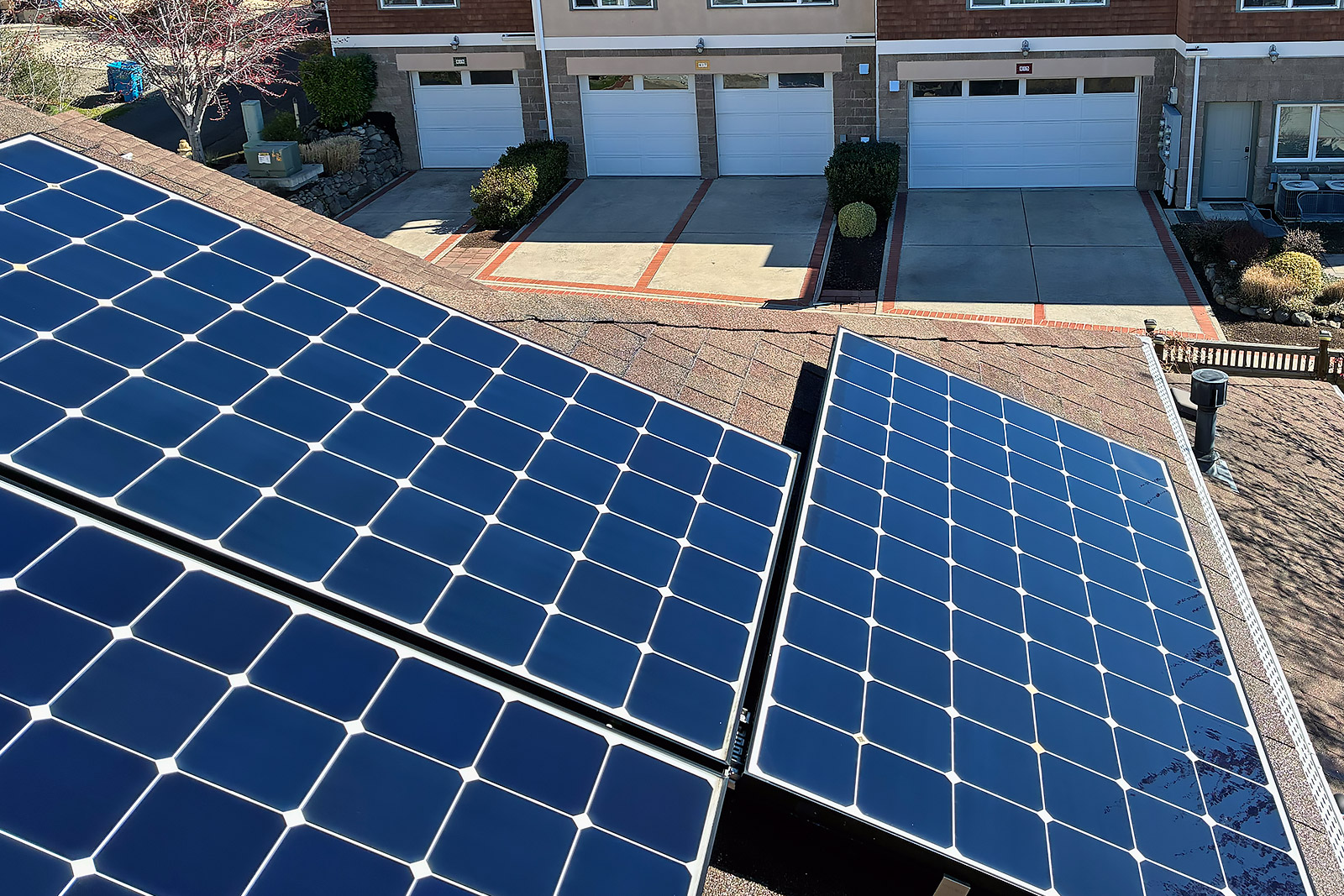
For many Southern Oregon homes, once a year is a reasonable baseline.
That is often enough for systems that stay fairly clean during normal weather and do not encounter much tree debris, dust, or bird-related buildup. But some homes benefit more from twice-yearly cleaning, especially when local residue builds up faster or returns more predictably through the seasons.
A simple way to think about it is:
-
Once a year for lower-buildup homes
-
Twice a year for tree-heavy, dusty, smoke-affected, or bird-prone properties
-
As needed after unusual buildup events such as wildfire smoke, construction dust, or heavy bird activity
For a deeper breakdown by property type, see our guide on how often solar panels should be cleaned in Southern Oregon.
When Is the Best Time to Clean Solar Panels?
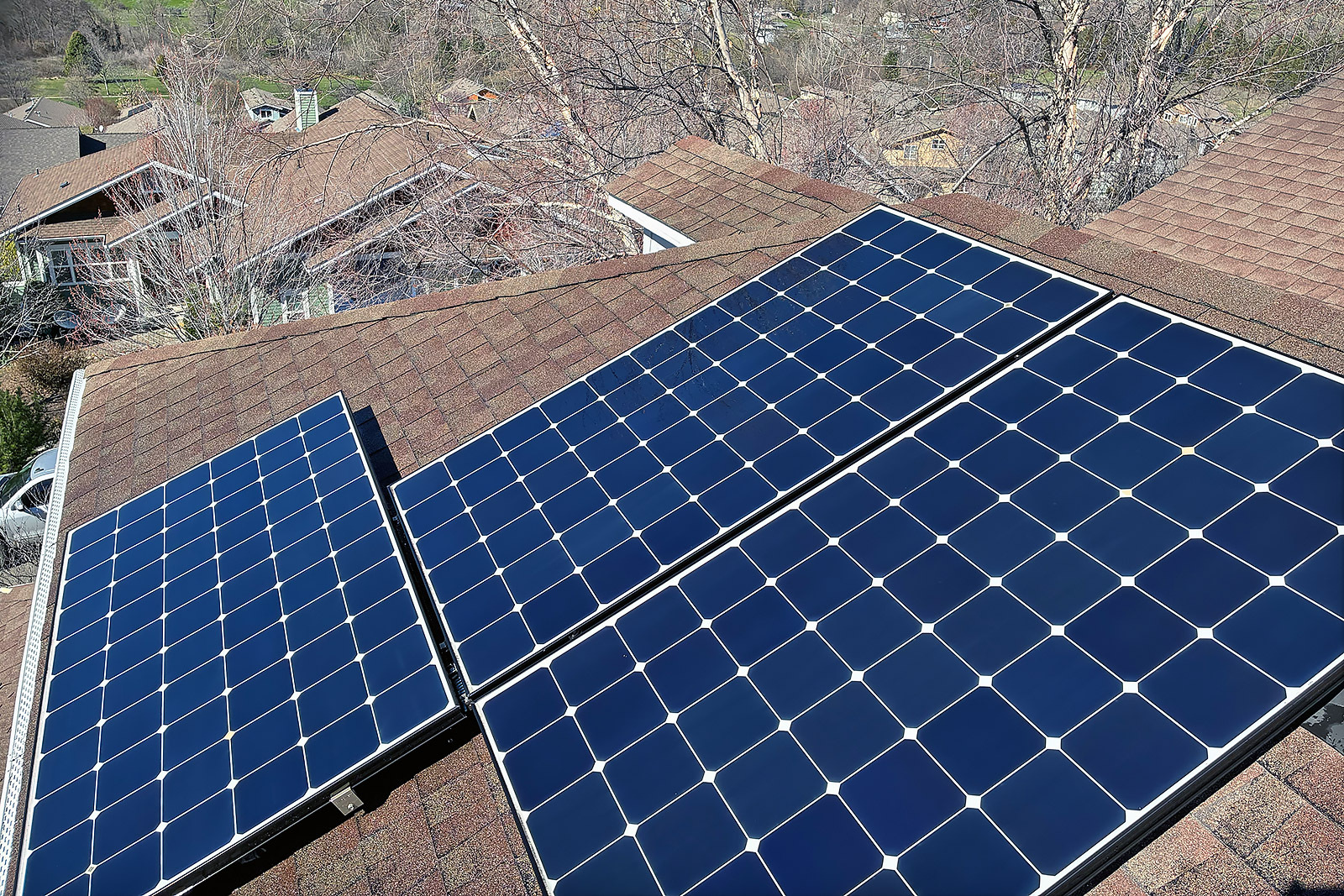
For many local homes, spring is the strongest window for a once-a-year cleaning. It helps clear winter residue and early pollen before the highest-production months. Fall is often the best second cleaning window, especially after summer dust and wildfire smoke season.
Summer cleaning can still make sense when the buildup is already visible and affecting output. Winter is usually less urgent unless the panels are carrying unusual residue or missed a more practical cleaning window earlier in the year. The best timing depends on what kind of buildup the property tends to collect and when it shows up most.
For a closer look at the seasonal decision, see when to clean solar panels in Southern Oregon (Spring vs. Fall vs. Summer).
Signs Solar Panels May Need Cleaning
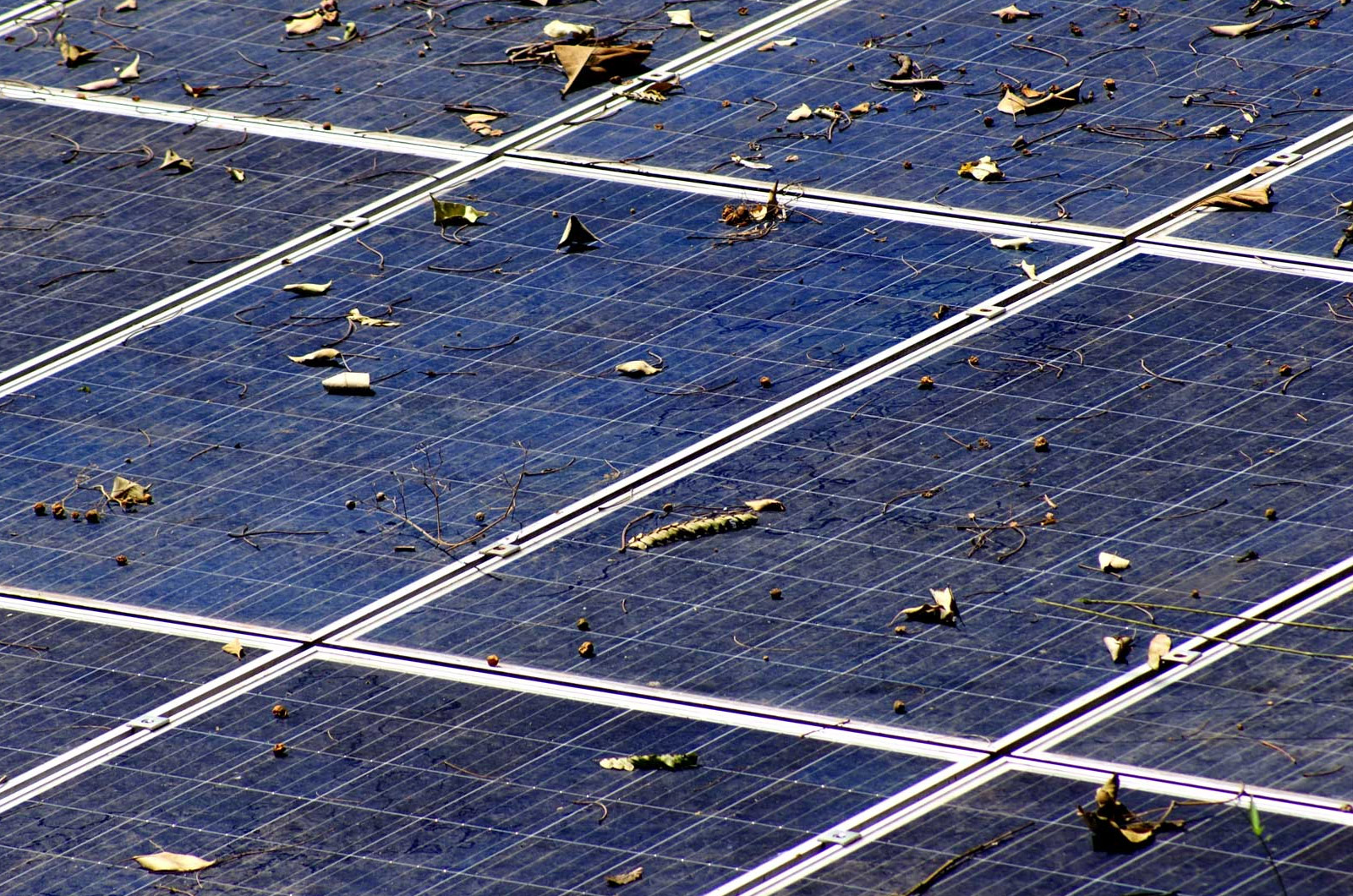
Not every system needs constant attention, but there are some common signs that buildup may be starting to matter.
Homeowners may notice:
-
Visible haze or film in direct light
-
Bird droppings or stuck residue
-
Uneven dirt patterns across the array
-
Repeat buildup after pollen, dust, or smoke events
-
Panels that look dull even after the weather
-
Production that seems lower than expected
Some of these signs are obvious from the ground. Others become clearer when the system’s recent appearance and performance no longer match what the homeowner is used to seeing.
For a more specific warning-signs article, see Early Signs Dirty Solar Panels Are Costing You Energy.
Is Solar Panel Cleaning Worth It?
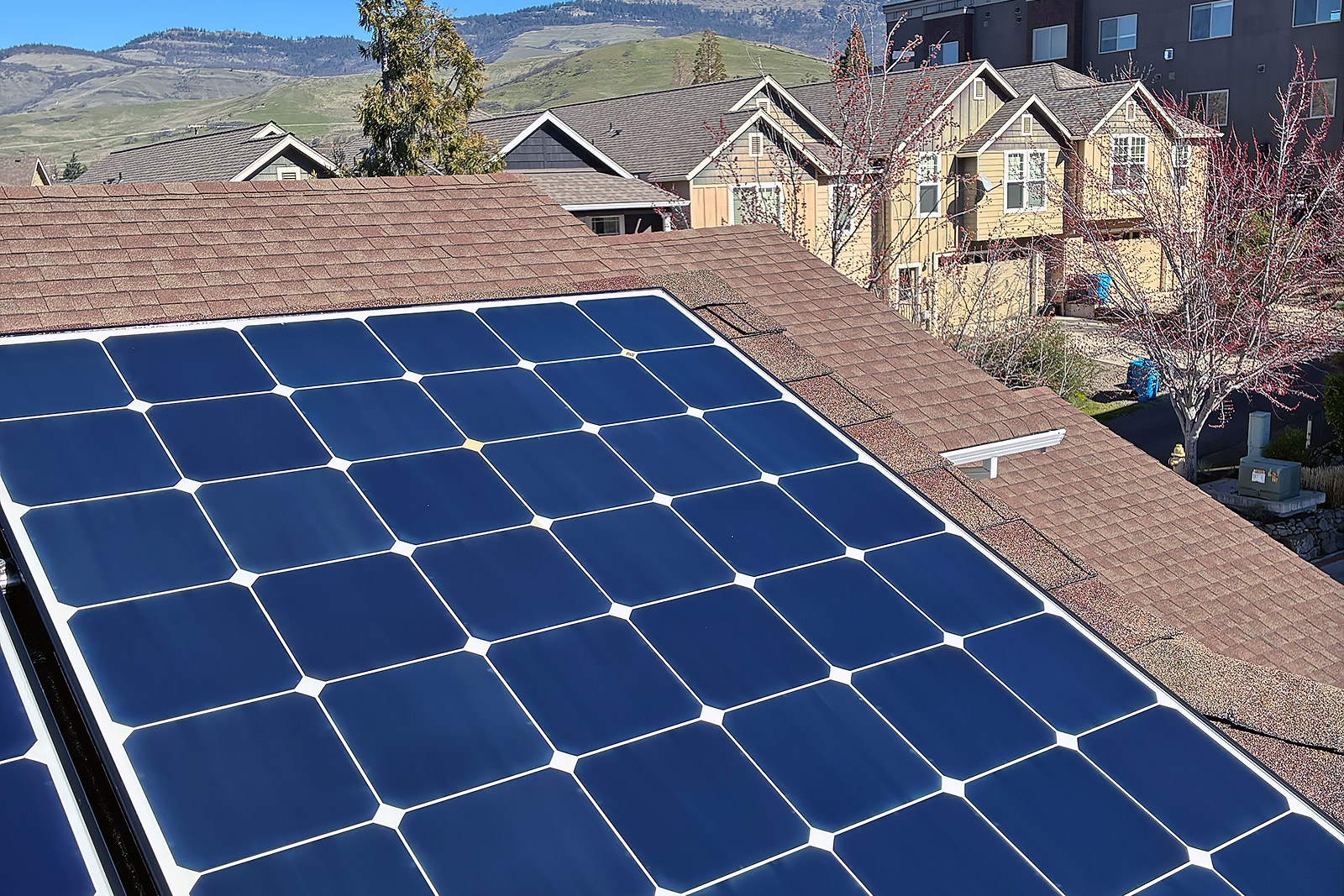
For many Southern Oregon homeowners, yes — but not equally on every property.
Cleaning is usually most worth it when the panels collect enough residue to affect output, when buildup returns repeatedly, or when local conditions make contamination more persistent. The payoff is often strongest on homes with pollen, dust, smoke residue, birds, or tree-related buildup. On cleaner, lower-exposure homes, the benefit may still be real, but more modest.
The best way to think about value is not whether the panels can ever get dirty. It is whether the buildup on this property is likely costing enough performance to justify cleaning.
For the full decision breakdown, see whether solar panel cleaning is worth it in Southern Oregon?
DIY vs Professional Solar Panel Cleaning
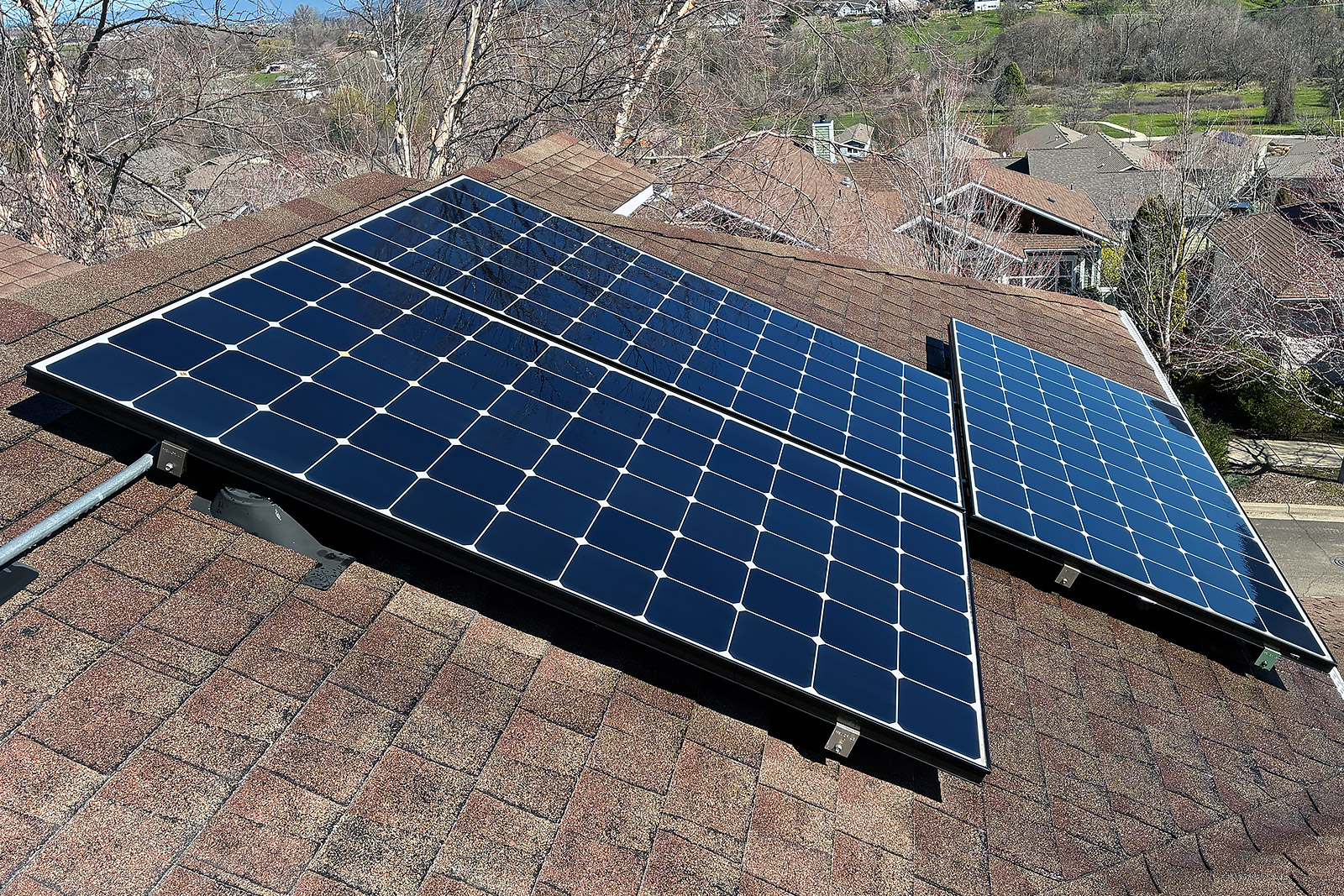
Some homeowners can clean solar panels themselves in lower-risk situations, especially when the panels are easy to access and the buildup is light. But not every system is a good DIY candidate.
Professional cleaning usually makes more sense when:
-
The panels are roof-mounted
-
The roof is steep or slippery
-
The buildup is stubborn
-
Bird droppings, smoke residue, or spotting are not coming off easily
-
The homeowner wants to avoid roof risk or panel-surface damage
The decision is often less about whether DIY is possible and more about whether it makes sense given the access, residue type, and risk involved.
For a deeper comparison, see DIY vs professional solar panel cleaning: when each one makes sense.
What Professional Solar Panel Cleaning Usually Includes
A professional solar panel cleaning service generally focuses on safely removing surface buildup without creating new problems.
That often means:
-
Safe access to the array
-
Cleaning methods suited to solar glass
-
Removal of dust, pollen, residue, and bird droppings
-
More complete cleaning than a quick rinse usually provides
-
Less risk of scratches, incomplete cleaning, or unsafe roof access
The exact scope varies by provider and property, but the main advantage is usually a safer and more consistent result when the system is harder to clean well on your own.
What Solar Panel Cleaning Usually Costs
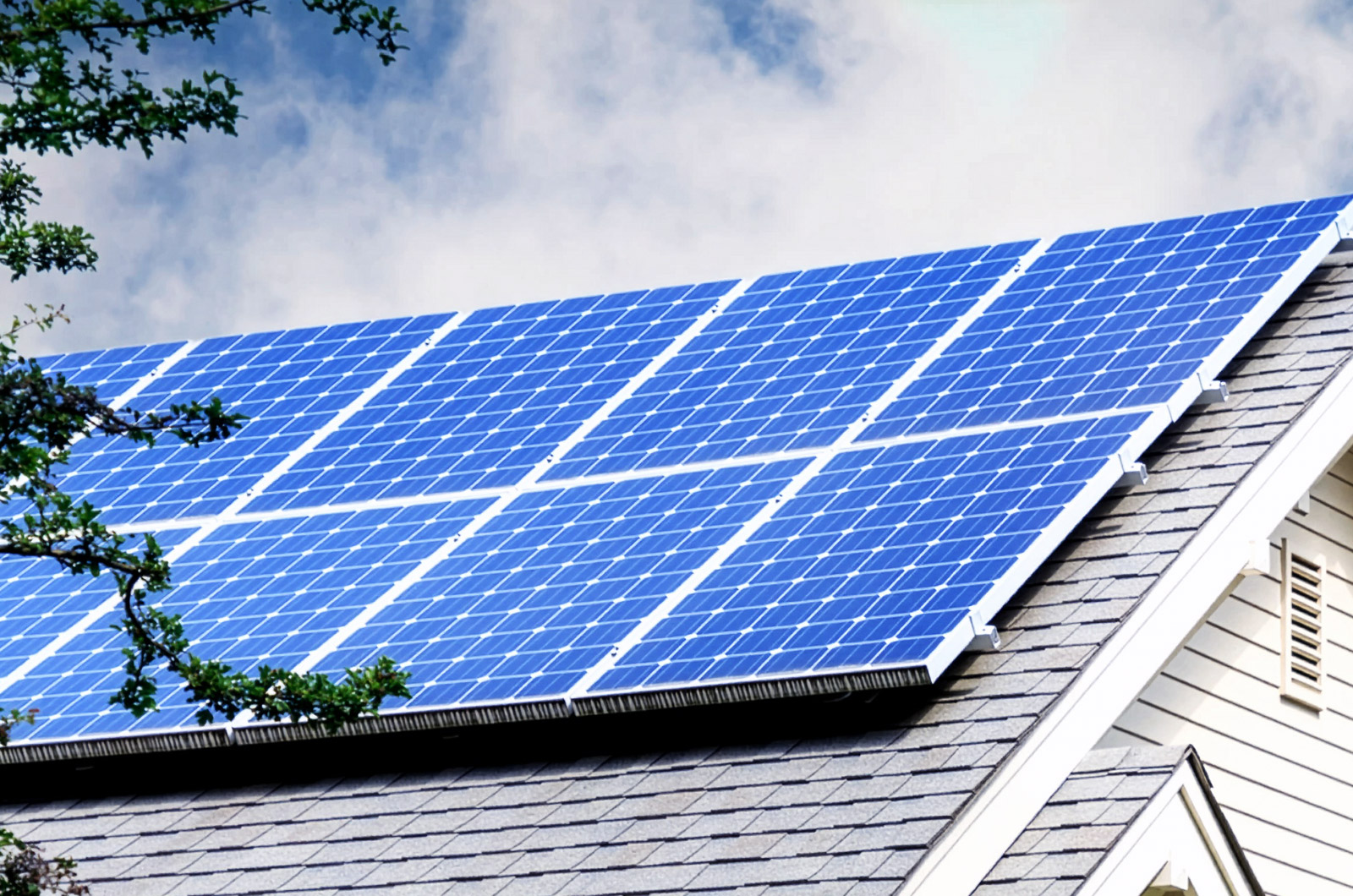
Solar panel cleaning costs vary based on array size, roof access, buildup level, and how difficult the job is to complete safely.
Some systems are straightforward to access and lightly soiled. Others require more care because of roof height, stubborn residue, or difficult placement. That is why pricing can vary meaningfully from one home to another, even when the systems look similar at a glance.
For a more detailed local pricing breakdown, see how much solar panel cleaning costs in Southern Oregon.
A Simple Way to Think About Solar Panel Cleaning
For most homeowners, the decision becomes easier when reduced to a few practical questions:
-
Do the panels collect visible residue regularly?
-
Does the property deal with pollen, dust, smoke, trees, or birds?
-
Has it been a long time since the panels were cleaned?
-
Are the panels easy to access safely?
-
Is the system likely losing output gradually because of buildup?
If the answer to several of those is yes, solar panel cleaning is probably worth thinking about as a normal part of maintaining the system rather than as a one-time cosmetic project.
Why Local Context Matters
A lot of generic solar cleaning advice treats every climate the same.
Southern Oregon is different because homeowners here may be dealing with a combination of:
-
spring pollen,
-
dry summer dust,
-
wildfire smoke,
-
tree-related residue,
-
and seasonal buildup patterns that change from one property to another.
That local context is what makes solar panel cleaning more relevant in some homes than in others. The more those conditions stack together, the more useful a simple cleaning plan becomes.
Final Thought
Solar panel cleaning in Southern Oregon is usually less about keeping panels spotless and more about managing the buildup that can quietly reduce performance over time.
Some homes only need occasional cleaning. Others benefit from a more regular schedule because pollen, dust, smoke, birds, and tree debris keep returning. The right answer depends on the property, the exposure, and how much residue the system tends to carry through the year.
If you are trying to decide what applies to your home, the best next step is usually to figure out which question matters most right now: how often to clean, when to clean, whether it is worth it, whether DIY makes sense, or whether current buildup is already affecting output.
Where to Go Next
FAQs
-
Most panels need cleaning once or twice per year, depending on pollen, wildfire ash, tree coverage, and dust exposure.
-
Rain removes some surface dust but typically doesn’t eliminate pollen, ash, or sticky debris that can reduce efficiency.
-
Chronic buildup can reduce energy output, create hot spots, and potentially strain system components over time.
-
Professional cleaning ensures safe, low-pressure methods that protect coatings, maintain warranties, and maximize energy production.
-
Improved energy output, warranty protection, safe maintenance, prevention of long-term surface damage, and consistent system performance.