The Ultimate Guide to Roof Maintenance (Southern Oregon Edition)
Key Takeaways
- Roof maintenance focuses on preventing damage, not just fixing problems after they appear.
- Southern Oregon’s wet winters, shade, and tree cover make routine roof care especially important.
- Moss control, gutter cleaning, inspections, and preventive treatments all work together as a system.
- Skipping maintenance can shorten roof lifespan and lead to warranty or insurance complications.
- A proactive maintenance plan helps homeowners avoid costly repairs and extend roof life.
Your roof is one of the most important — and most expensive — parts of your home. Yet it’s also one of the most commonly neglected.
In Southern Oregon, roof maintenance isn’t just a “nice to have.” Between wet winters, heavy tree cover, moss growth, and clogged gutters, roofs here age differently than they do in drier or sunnier climates.
This guide explains what roof maintenance really means, why it matters in the Rogue Valley, and how a proactive approach can help homeowners avoid costly repairs, protect warranties, and extend roof lifespan.
Think of this as your hub for understanding how moss, gutters, inspections, and preventive care all work together.
What Roof Maintenance Really Means
Roof maintenance is often misunderstood. Many homeowners assume it means fixing problems once something breaks — a leak, missing shingles, or visible damage.
In reality, roof maintenance is about preventing those problems from happening in the first place.
A proper maintenance approach focuses on routine inspections, controlling organic growth, managing water flow, and addressing small issues before they turn into expensive repairs. This is very different from reactive roof work, which usually starts after damage has already occurred.
That difference matters. Homes that follow a maintenance plan consistently experience fewer leaks, fewer warranty issues, and longer roof lifespans overall.
Why Roof Maintenance Matters in Southern OR
Southern Oregon’s climate creates a perfect storm for roof wear.
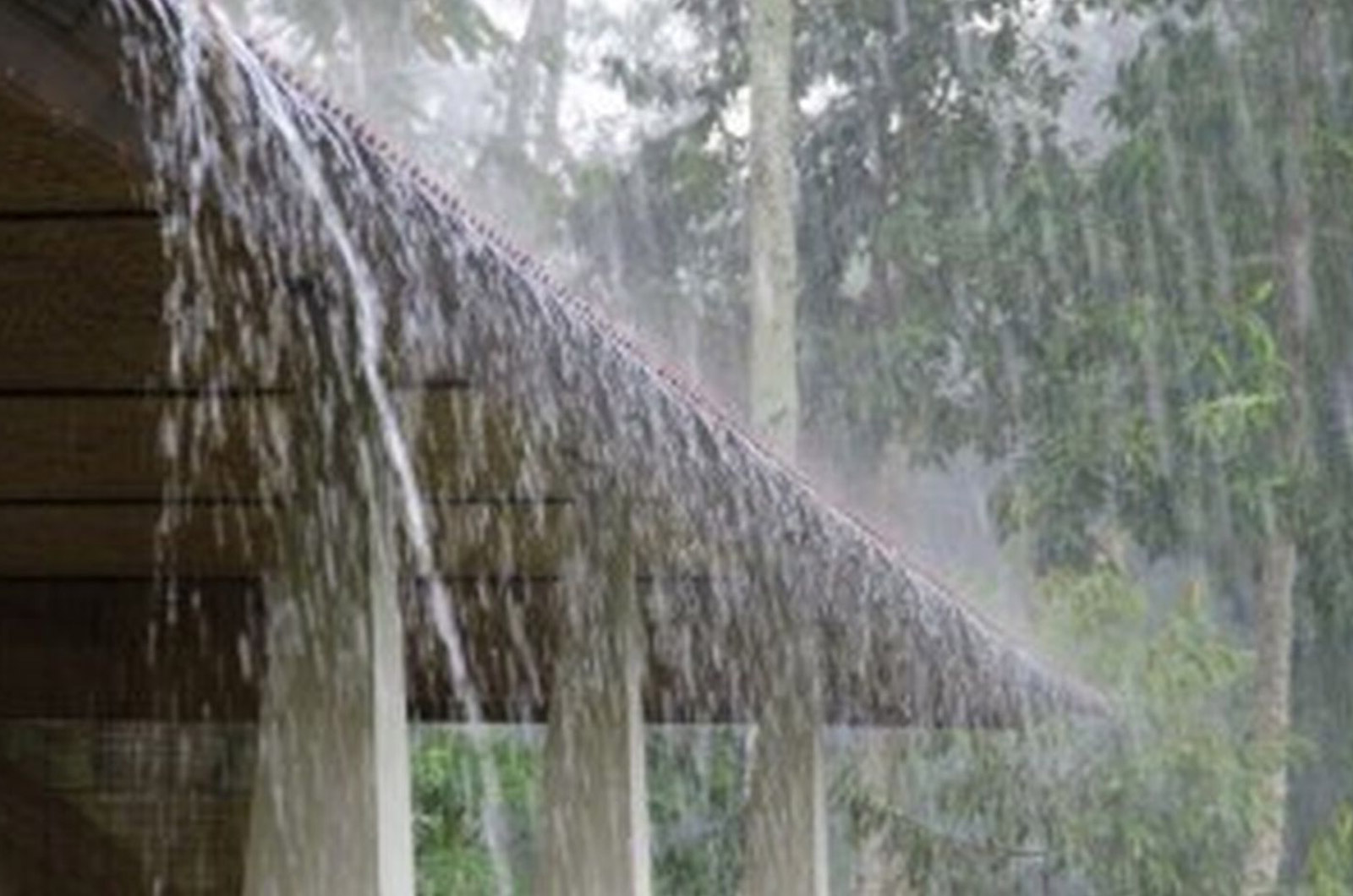
Our region experiences long, damp winters, frequent rainfall, and heavy shade from native trees. These conditions encourage moss growth, trap moisture on roofing materials, and slow drying time after storms.
North-facing roof slopes, shaded valleys, and homes surrounded by trees are especially vulnerable. Over time, moisture retention and organic buildup can quietly break down shingles and underlayment — often without obvious warning signs.
This is why roof maintenance here isn’t seasonal window dressing. It’s an ongoing necessity driven by local environmental factors.
The Biggest Risks of Skipping Roof Maintenance
Neglecting roof maintenance doesn’t usually lead to immediate failure, which is exactly why it’s so common.
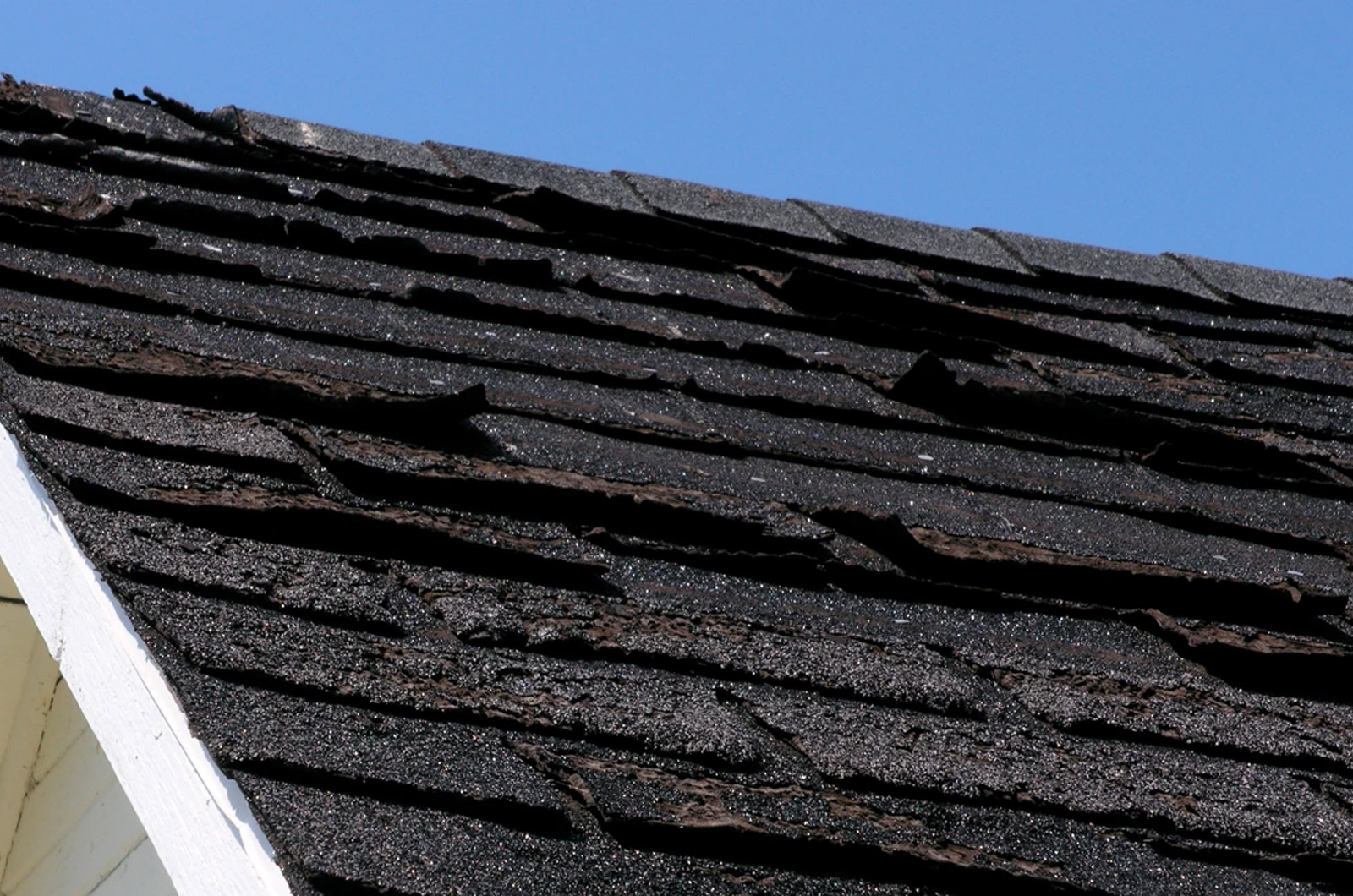
Problems tend to develop slowly, then reveal themselves when damage is already advanced. Common risks include:
Moss and organic buildup holding moisture against the shingles
Clogged gutters forcing water back onto the roof edge
Hidden leaks that damage decking and insulation
Premature roof aging that shortens the usable lifespan
Warranty and insurance complications tied to neglect
What makes these risks especially frustrating is that most of them are preventable with routine care and inspections.
Core Roof Maintenance Tasks Every Home Needs
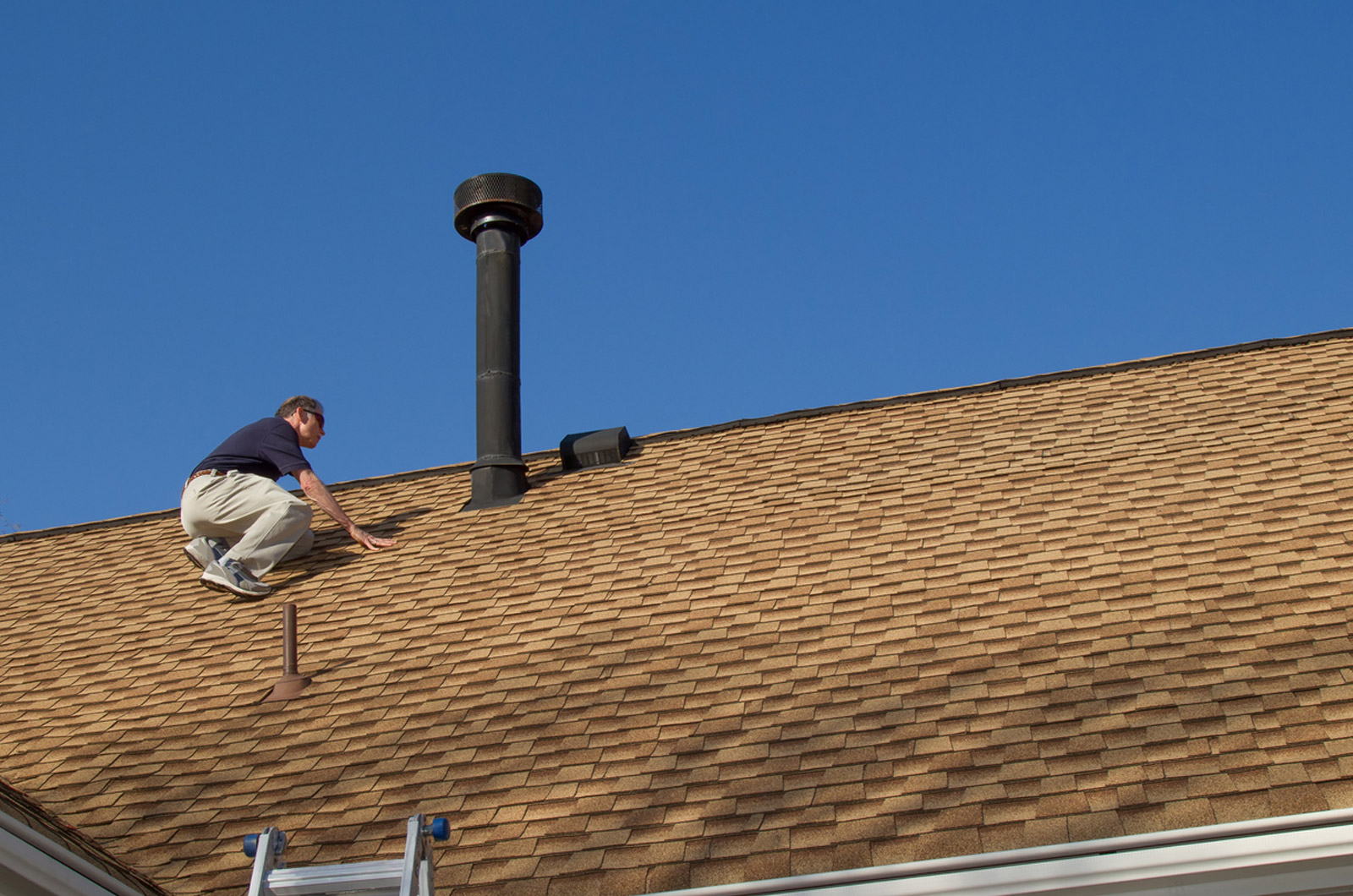
Roof maintenance isn’t one single task — it’s a system. Each part supports the others, and skipping one weakens the whole structure. With that in mind, we’ve created this roof maintenance calendar for Southern Oregon to ensure proper maintenance.
Roof Moss Control
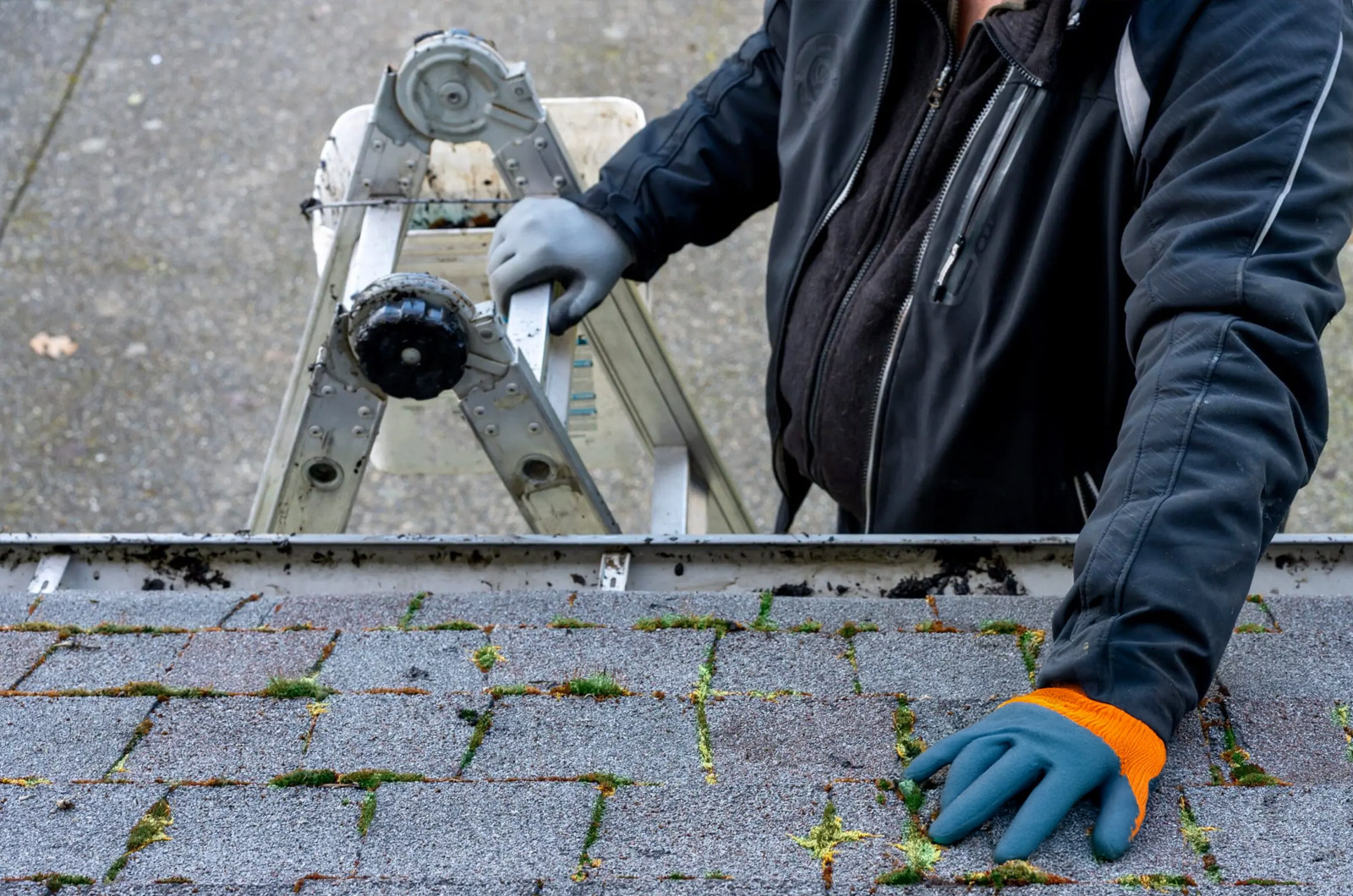
Moss is more than a cosmetic issue. It retains moisture, lifts shingle edges, and accelerates material breakdown over time. In Southern Oregon, moss control is one of the most important components of roof maintenance.
Routine moss removal and preventive treatments help protect shingles, reduce moisture exposure, and keep roofs performing as designed.
Gutter Cleaning and Drainage
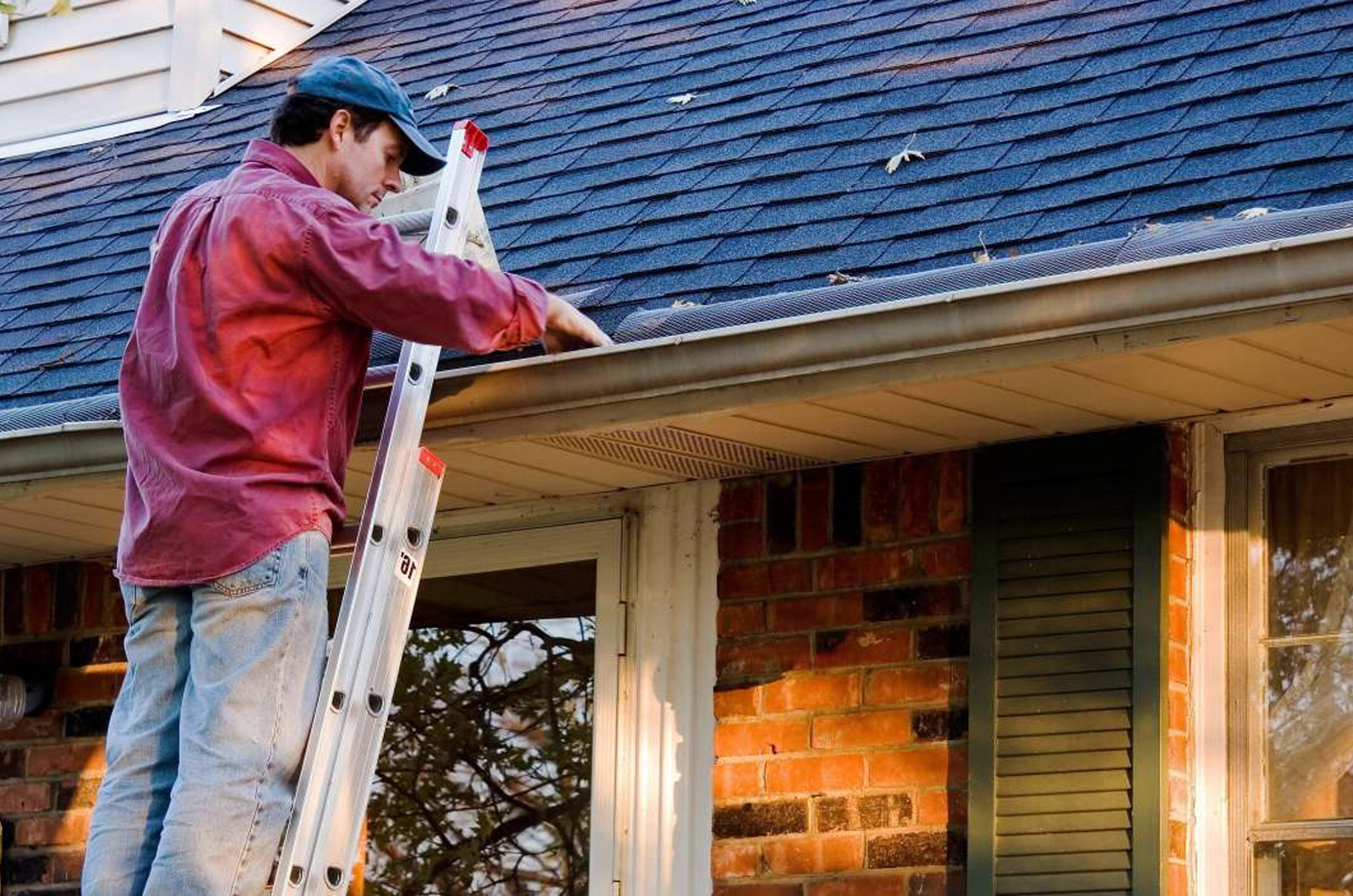
Gutters play a critical role in roof health. When they clog with leaves, needles, and debris, water backs up onto the roofline and into fascia and soffits.
Regular gutter cleaning ensures water is directed away from the roof and foundation, preventing edge rot, leaks, and ice-related damage in colder months.
Seasonal Roof Inspections
Inspections catch problems early — before they become expensive.
A proper inspection looks for early signs of moss regrowth, loose or aging shingles, flashing issues, and drainage problems. In Southern Oregon, inspections are especially important after wet winters and before fall leaf drop.
Preventive Treatments and Minor Corrections
Small preventive steps — like applying moss inhibitors, correcting drainage issues, or addressing early shingle wear — can dramatically reduce long-term repair costs.
These minor corrections are where maintenance delivers the biggest return on investment.
Roof Maintenance Timeline (What to Do and When)
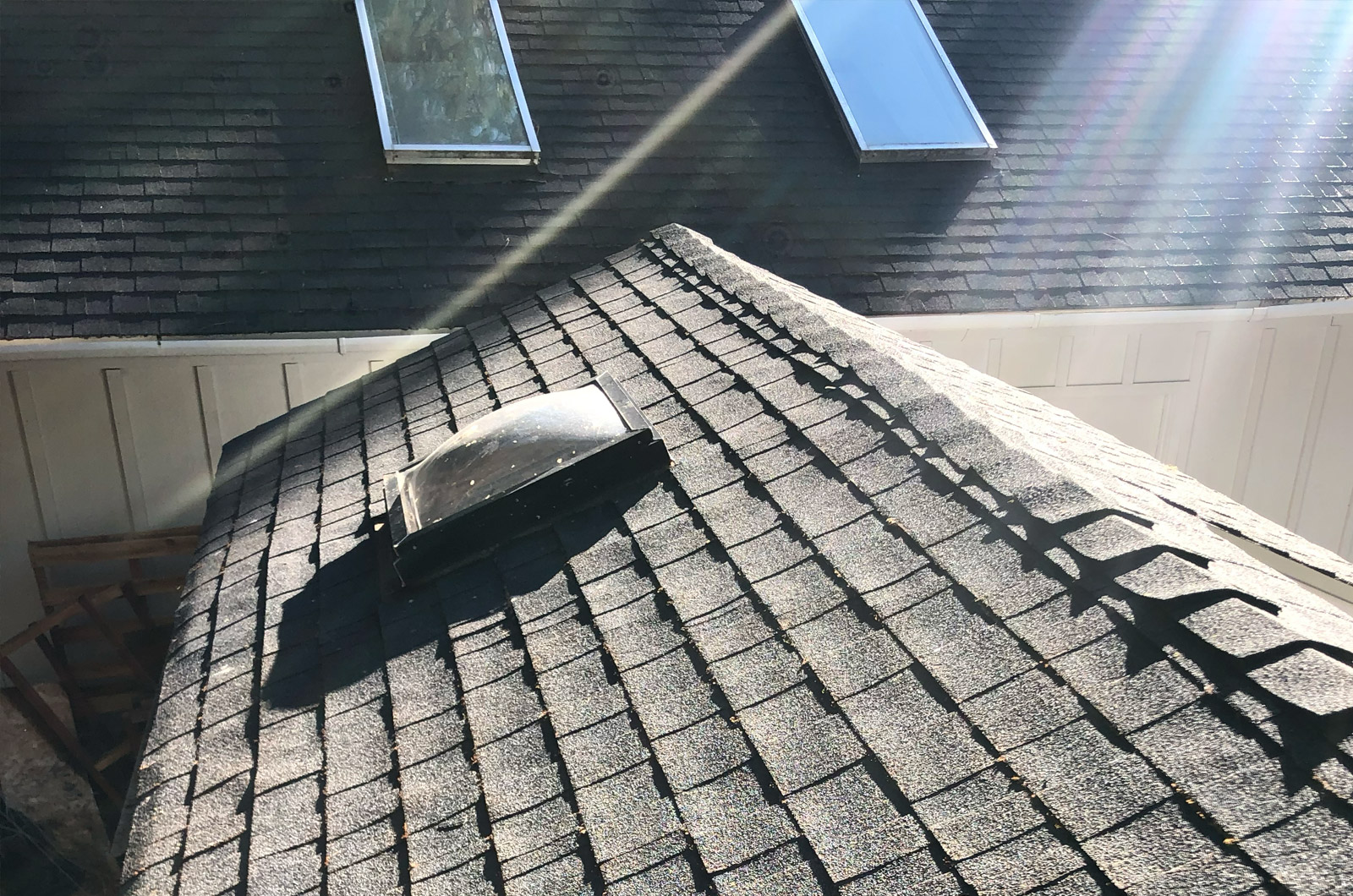
There’s no universal maintenance schedule that works for every home, but patterns do exist.
Most Southern Oregon homes benefit from:
Biannual inspections (spring and fall)
Routine gutter cleaning, especially in tree-heavy areas
Moss control every 1–2 years, depending on shade and exposure
Homes with heavy tree cover, north-facing slopes, or older roofing materials often need more frequent attention. Understanding your home’s specific conditions is far more effective than following a generic calendar.
Professional Roof Maintenance vs DIY
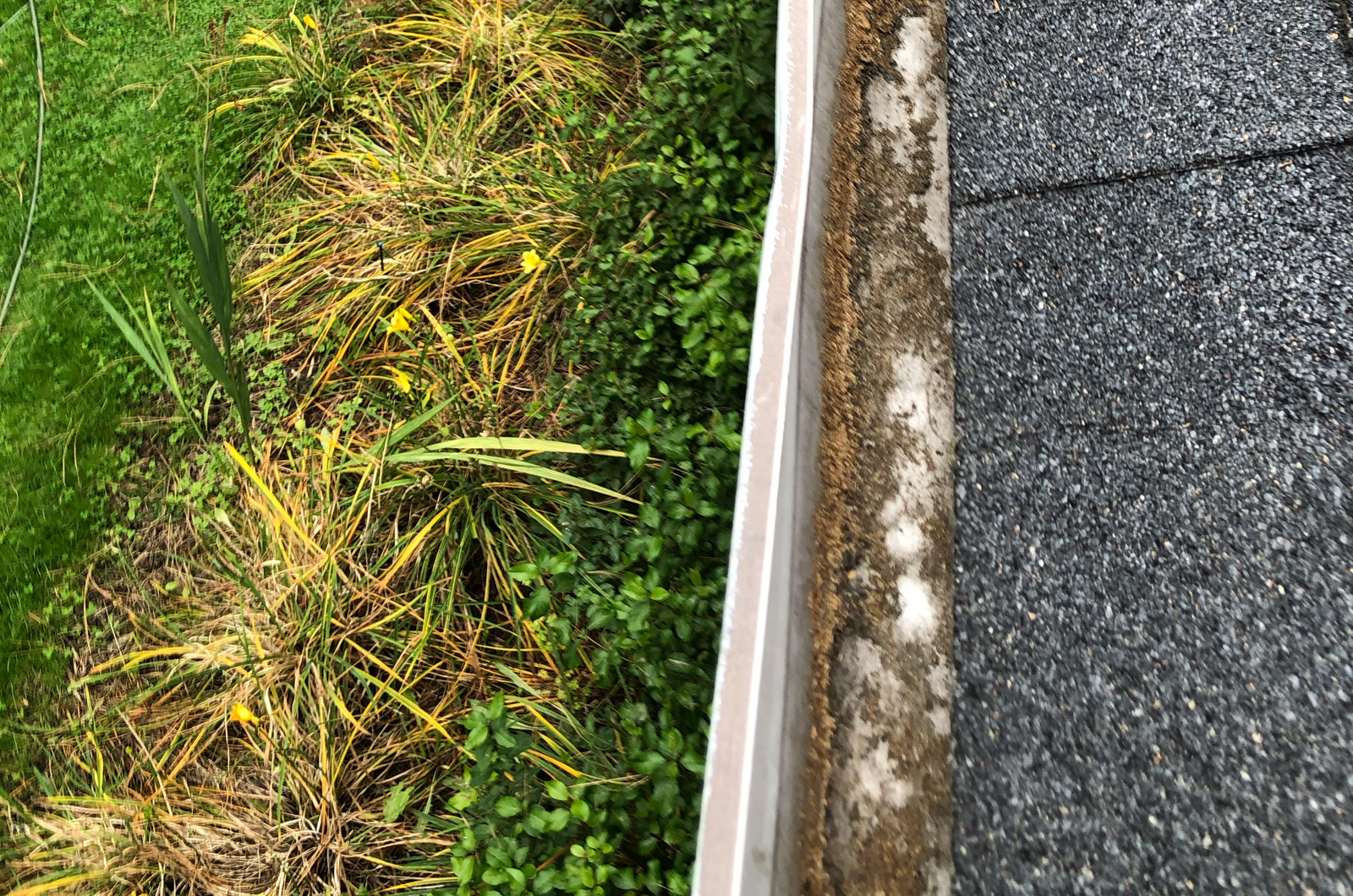
Some aspects of roof maintenance can be handled by homeowners, while others are best left to professionals.
Basic visual checks from the ground, keeping gutters clear, and monitoring tree growth are reasonable DIY tasks. However, walking on roofs, removing moss, or applying treatments carries safety risks and potential for material damage.
Professional maintenance brings experience, proper equipment, and methods designed to protect roofing materials — not shorten their lifespan. It also provides documentation, which can be valuable for warranties and insurance.
The goal isn’t to eliminate DIY involvement, but to avoid the costly mistakes that often come with aggressive or improper cleaning.
How Roof Maintenance Protects Warranties and Insurance
Many homeowners don’t realize that insurance policies and roof warranties often include maintenance expectations.
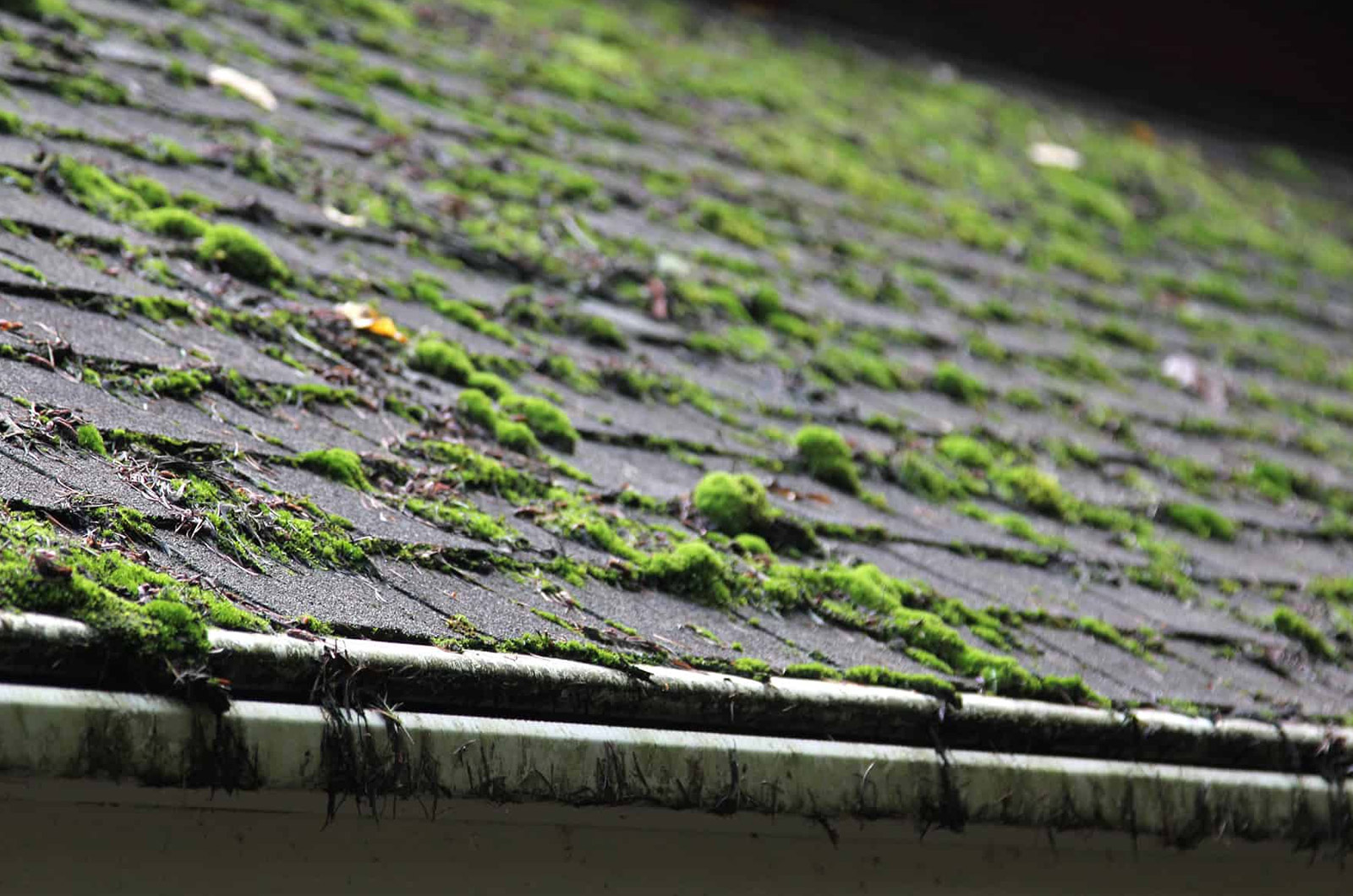
If damage occurs and moss buildup, clogged gutters, or long-term neglect are involved, claims may be denied or reduced. Manufacturers frequently classify moss-related damage as a maintenance issue rather than a product defect.
Routine maintenance helps demonstrate responsible ownership. Inspection records and timely care can make a significant difference if warranty or insurance questions ever arise.
Creating a Long-Term Roof Maintenance Plan
The most effective roof care isn’t reactive — it’s planned.
A long-term maintenance approach considers roof age, material type, shade exposure, and surrounding trees. In addition, a proper approach includes keeping good records and documentation, just one of the items discussed in this checklist for roof maintenance.
Instead of one-off cleanings, it focuses on consistent care that evolves as the roof ages.
This kind of plan reduces surprise repairs, spreads costs over time, and helps homeowners make informed decisions about future replacements.
Next Steps for Southern Oregon Homeowners
Roof maintenance doesn’t have to be complicated — but it does need to be intentional.
If your roof hasn’t been inspected recently, shows signs of moss growth, or sits beneath heavy tree cover, now is the right time to take a proactive look.
BUX Exterior Cleaning specializes in preventive roof maintenance tailored to Southern Oregon homes. From inspections and moss control to gutter cleaning and long-term care strategies, we help homeowners protect their roofs before problems start.
Schedule a roof inspection or request a quote today to take the first step toward long-term roof protection.
FAQs
-
Roof maintenance includes routine inspections, moss and debris removal, gutter cleaning, and minor preventive treatments designed to protect roofing materials and prevent long-term damage.
-
Most homes benefit from inspections twice a year, regular gutter cleaning, and moss control every 1–2 years. Heavily shaded or tree-covered homes may need more frequent attention.
-
Yes. Many roof issues develop slowly and cause damage long before leaks appear. Maintenance helps catch problems early, when they are easier and less expensive to address.
-
It can. Many warranties and insurance policies require reasonable maintenance. Documented care can help prevent claim disputes related to neglect or long-term buildup.
-
Absolutely. Regular maintenance reduces moisture damage, prevents premature shingle wear, and can add years to a roof’s usable lifespan.