Pressure Washing in Southern Oregon – What It Cleans, What It Can Damage
Key Takeaways
- Pressure washing is highly effective on many hard surfaces, especially concrete, driveways, walkways, and some patios.
- Not every exterior surface should be cleaned with high pressure.
- Siding, painted surfaces, decks, fences, and roofs can be damaged if the wrong method is used.
- Many homeowners use the term “pressure washing” broadly, but some jobs are better handled with soft washing or a lower-pressure approach.
- The safest method depends on the material, finish, age, and condition of the surface.
- When in doubt, it is better to match the cleaning method to the surface rather than assume more pressure is better.
Pressure washing can make a big difference on the right surfaces. It can remove dirt, algae, grime, and buildup that make exterior areas look worn down or even become slippery. But it is not the right solution for every material.
In Southern Oregon, homeowners deal with a mix of dry summer dust, spring pollen, shaded algae growth, and wet-season grime. That makes exterior cleaning important, but it also means the cleaning method matters. Some surfaces handle pressure well. Others are better cleaned with a lower-pressure or soft washing approach.
This guide explains what pressure washing is good at cleaning, what it can damage if used incorrectly, and how to tell when it makes sense to call a professional.
What Pressure Washing Is Good At Cleaning
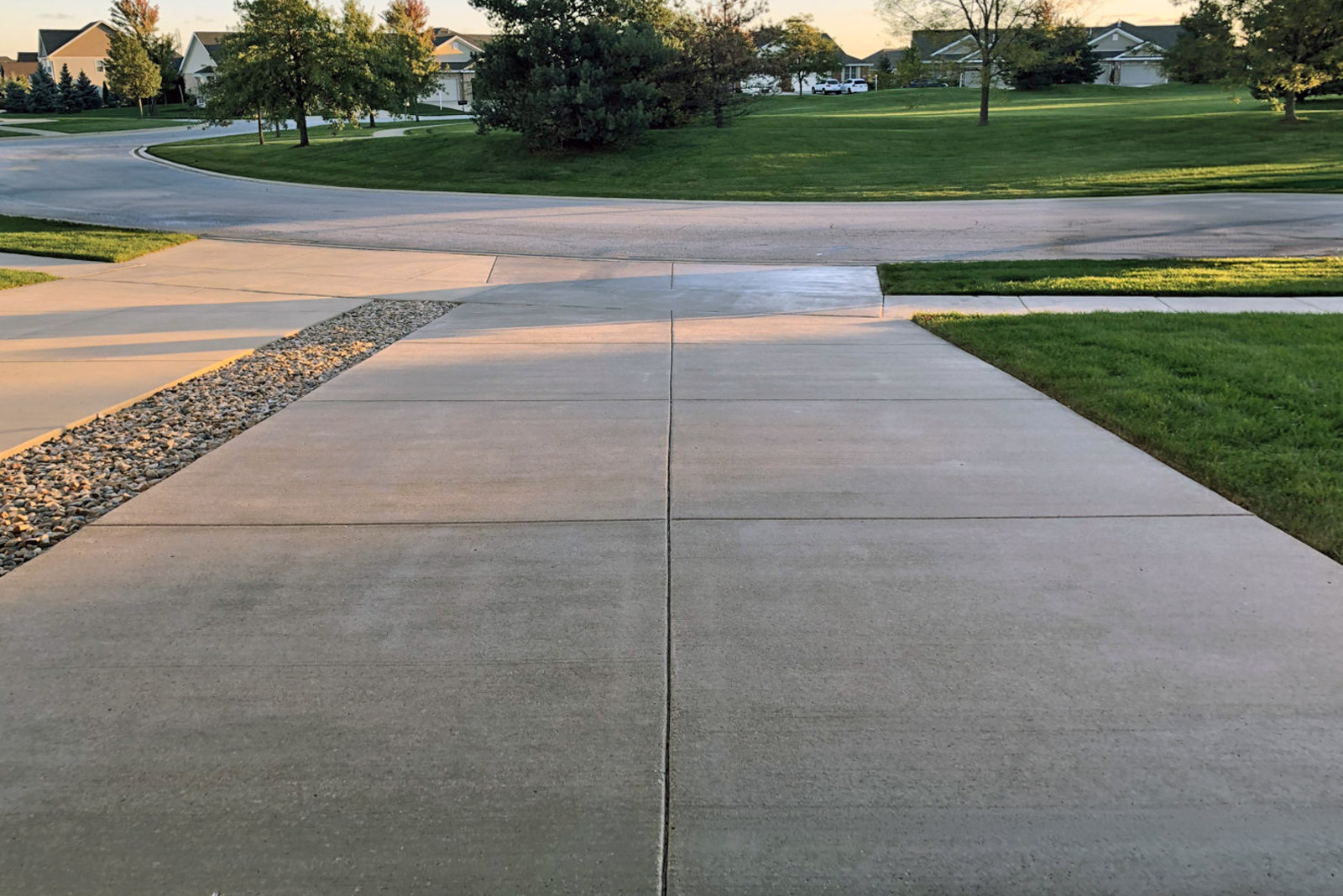
Pressure washing is most useful on durable exterior surfaces that can handle a stronger stream of water. When used correctly, it can remove built-up grime quickly and improve both appearance and safety.
Concrete Driveways and Walkways
Driveways and walkways are some of the best candidates for pressure washing. These surfaces often collect:
- dirt and dust
- algae and slippery film
- tire marks
- mud and runoff staining
- general weather-related grime
Pressure washing can brighten concrete, improve curb appeal, and help reduce slick areas caused by algae or moisture buildup. In Southern Oregon, shaded sections of driveways and walkways can stay damp longer during wetter months, which makes this especially useful.
For a closer look at common driveway issues, see Pressure Washing Driveways in Southern Oregon: Oil Stains, Algae, and What Actually Works.
Patios and Other Durable Hardscapes
Many patios, walkways, and outdoor hardscapes can also benefit from pressure washing. Dirt, food residue, organic buildup, and weather staining can make outdoor living areas look older than they are.
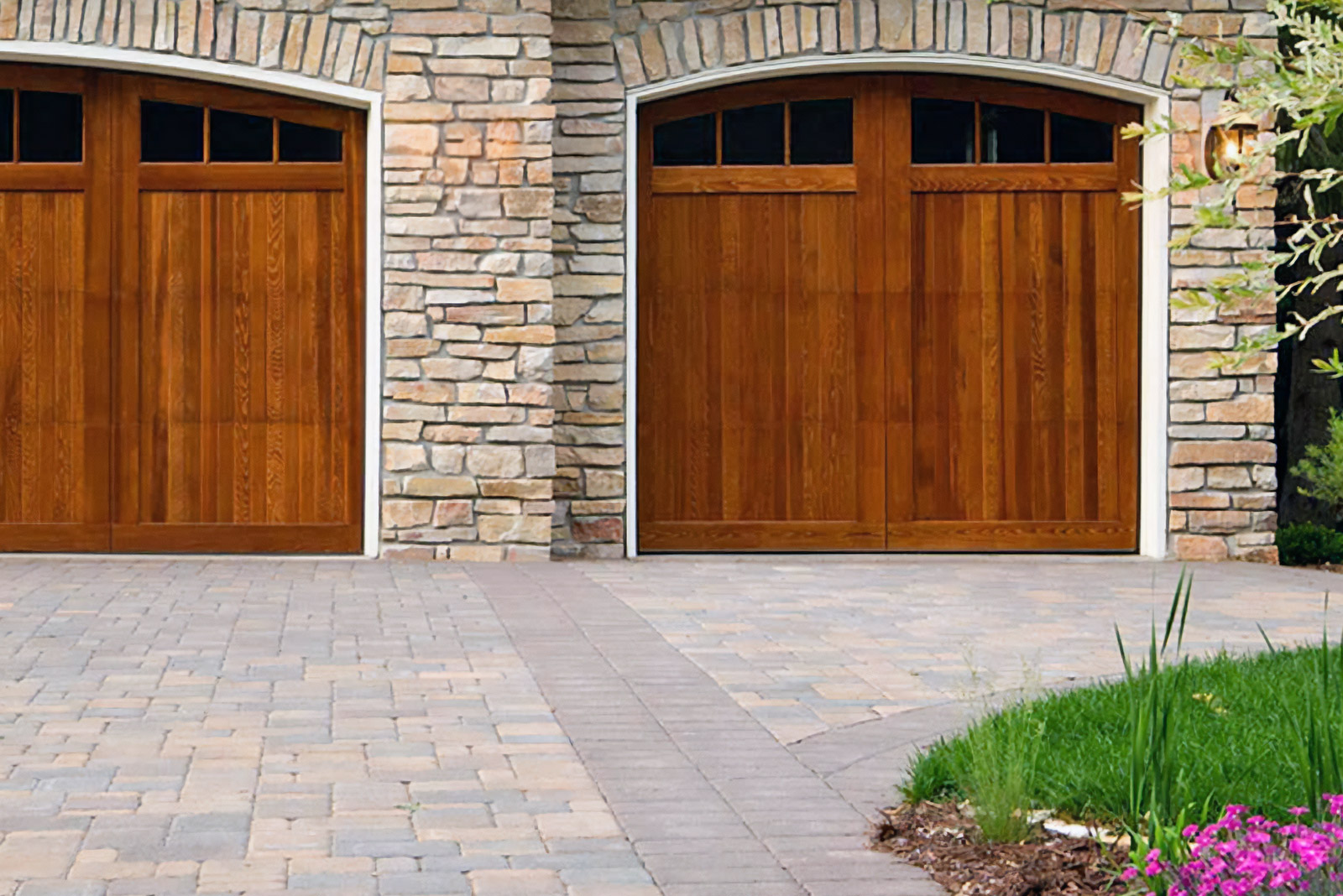
That said, not all hardscape should be treated the same way. Pavers and jointed surfaces may need more care than poured concrete. The goal is not just to clean the surface, but to avoid washing out joint material or creating new maintenance problems.
You can read more about that here: Patio and Paver Cleaning: Pressure Washing vs. Joint Sand Washout.
Some Exterior Surfaces With the Right Technique
There are also situations where pressure is used selectively around a home, but that does not mean every part of the house should be cleaned with high pressure. In many cases, the safest results come from using the right pressure, angle, nozzle, and cleaning approach for the material.
That is where experience matters. A surface may look dirty in the same way another one does, but that does not mean it should be cleaned the same way.
What Pressure Washing Can Damage If It’s Used Incorrectly
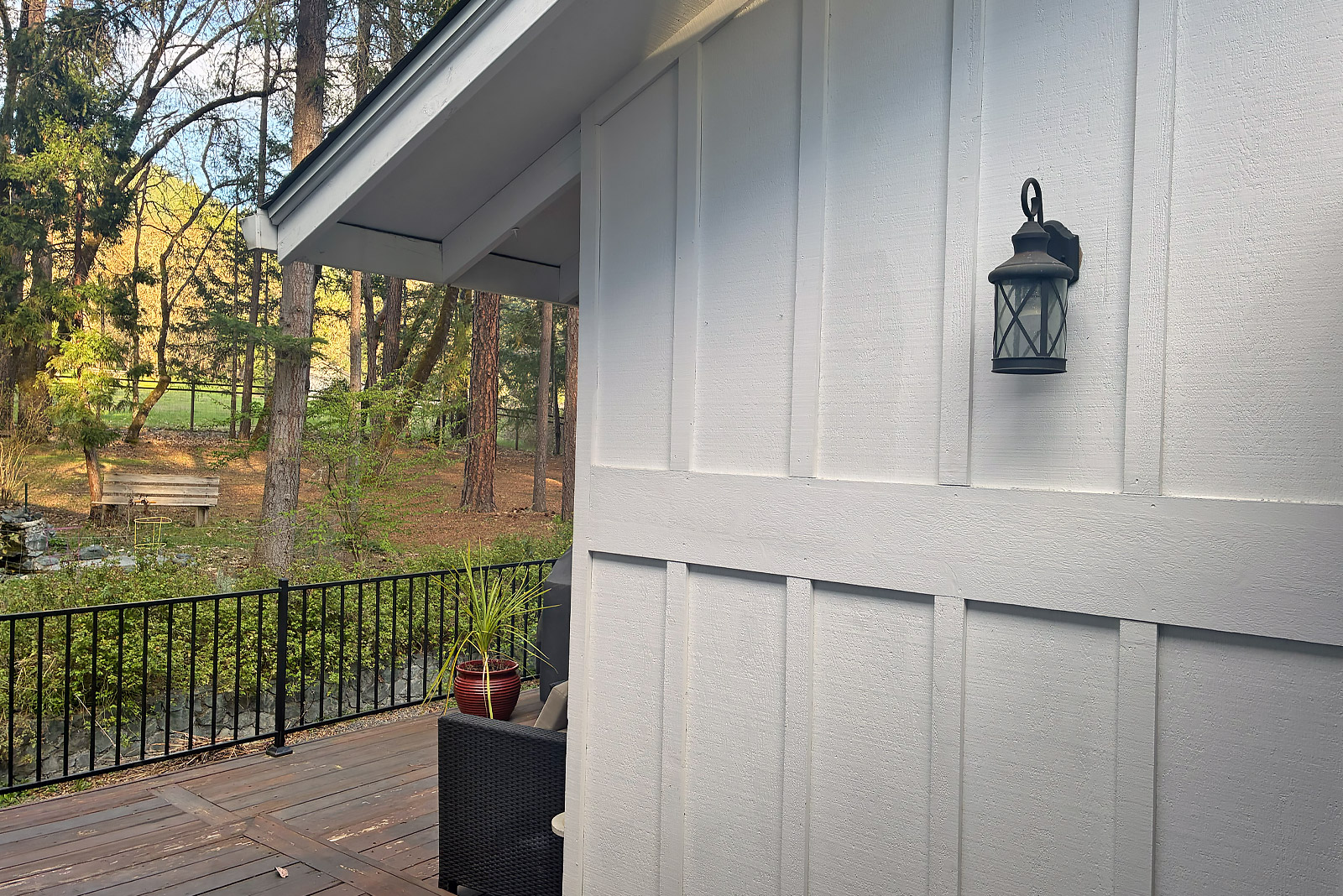
Pressure washing has a reputation for making fast visual improvements, but it can also create expensive problems when it is used too aggressively or on the wrong material.
Siding, Trim, and Painted Surfaces
Siding is one of the most common areas where homeowners get into trouble. Vinyl, fiber cement, and painted wood do not all respond the same way to cleaning. Too much pressure can:
- force water behind siding
- leave visible marks
- strip paint or wear down finishes
- damage trim and caulking
- push water into seams and vulnerable areas
This is one reason many whole-house exterior cleaning jobs are better handled with a lower-pressure method.
For more on siding-specific considerations, read Siding Washing in Southern Oregon: What’s Safe for Vinyl, Hardie, and Painted Wood.
Wood Decks and Fences
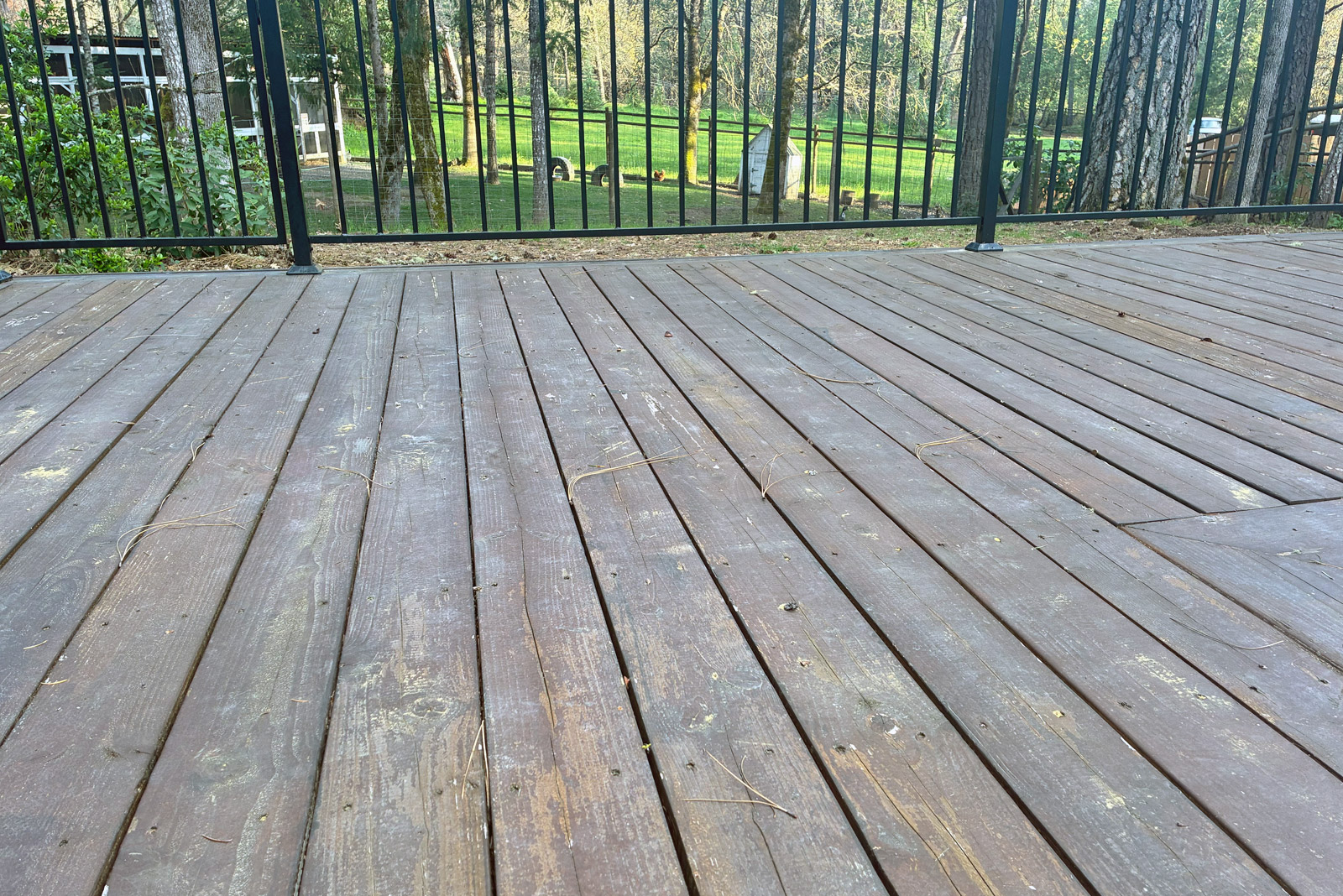
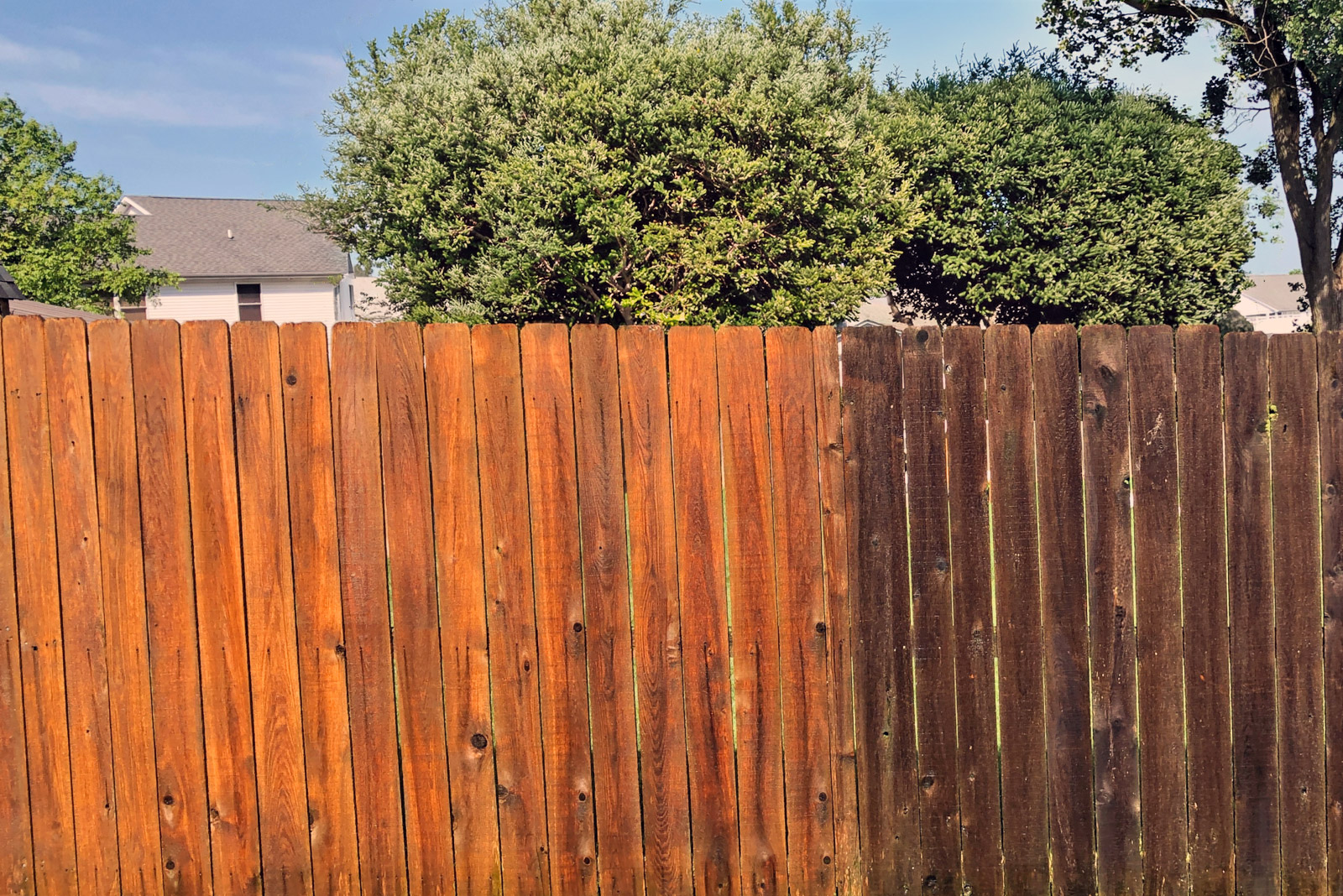
Wood is another surface that can be damaged quickly if the wrong technique is used. Too much pressure can raise the grain, cause splintering, leave wand marks, and strip stain unevenly. Cedar, pressure-treated lumber, and stained wood all respond differently.
This is why deck and fence cleaning should not be treated like driveway cleaning. Even if the surface looks heavily weathered, the wrong method can leave it rougher and harder to refinish.
Related reading:
- Deck Cleaning: When to Use Pressure vs. Soft Wash (and How to Avoid Damage)
- Fence Washing: Cedar, Pressure-Treated, and Stained Fences
Roofs and Other Fragile Exterior Materials
Roofs are one of the clearest examples of a surface that should be approached carefully. Many homeowners think of roof cleaning as a type of pressure washing, but shingles and other roofing materials often require a roof-safe cleaning method instead.
Using aggressive pressure on the wrong roof can shorten material life, remove protective granules, or create avoidable damage.
If you are comparing methods, see Soft Washing vs. Pressure Washing (What’s Safest for Rogue Valley Roofs?).
Pressure Washing vs Soft Washing – What’s the Difference?
Homeowners often use “pressure washing” as a catch-all term for exterior cleaning, but there is an important difference between pressure washing and soft washing.
Pressure washing generally refers to cleaning with a stronger stream of water. It is often effective on durable surfaces like concrete, driveways, and some hardscape.
Soft washing uses a gentler approach and is often the better fit for more delicate or finish-sensitive surfaces. That can include siding, painted exteriors, trim, and roofs, depending on the material and condition.
The most important point is this: the best cleaning method depends on the surface. More pressure is not always better. In many cases, matching the method to the material is what protects the property and delivers better results.
For more on that, see House Washing in Southern Oregon: When Soft Washing Is Better Than High Pressure.
When Pressure Washing Makes Sense for Southern Oregon Homes
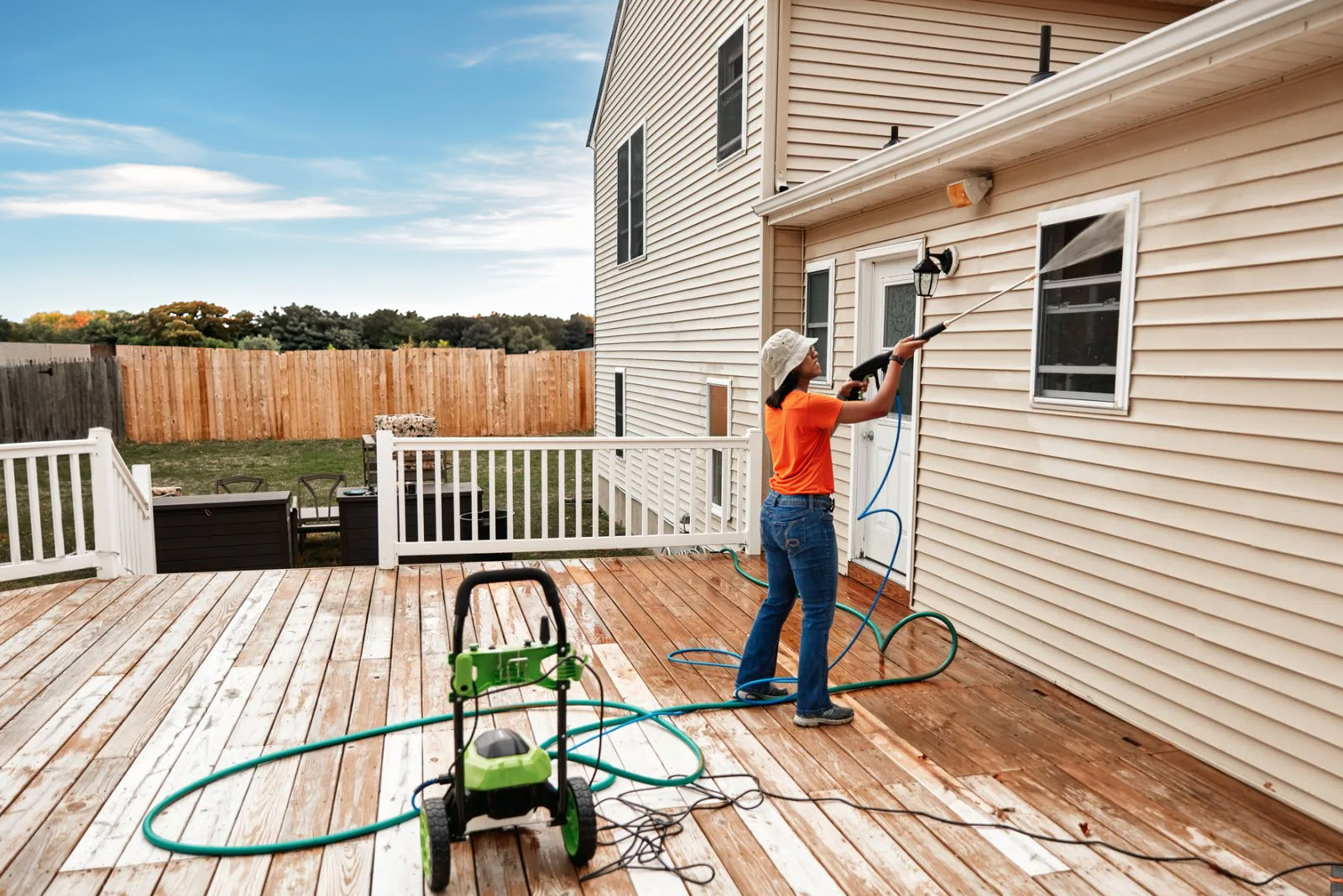
Pressure washing makes sense when the surface is durable enough to handle it, and the buildup is the kind that water pressure can remove effectively.
Common examples include:
- concrete driveways
- sidewalks and walkways
- some patios
- certain durable exterior hardscapes
- areas with slippery algae or heavy ground-in grime
In Southern Oregon, this often comes up after wetter months, during spring cleanup, before gatherings, or when homeowners want to improve curb appeal before listing or hosting.
It can also make sense as part of routine exterior upkeep, especially for high-traffic or highly visible surfaces.
When a Lower-Pressure or Soft Washing Approach Is Safer
Not every dirty surface needs high pressure. In fact, some of the most common exterior cleaning jobs are safer when handled more gently.
A lower-pressure or soft washing approach is often the better choice for:
- siding
- painted surfaces
- trim and soffits
- older wood
- delicate finishes
- roofs and roof-adjacent areas
- surfaces where water intrusion is a concern
This is especially important on full-house exterior cleaning projects, where the goal is not just to remove grime, but to do it without damaging paint, forcing water into gaps, or creating new repair issues.
If your main concern is the house exterior rather than hard surfaces, start here: House Washing in Southern Oregon: When Soft Washing Is Better Than High Pressure.
DIY vs Hiring a Pro – When It’s Worth the Risk and When It Isn’t
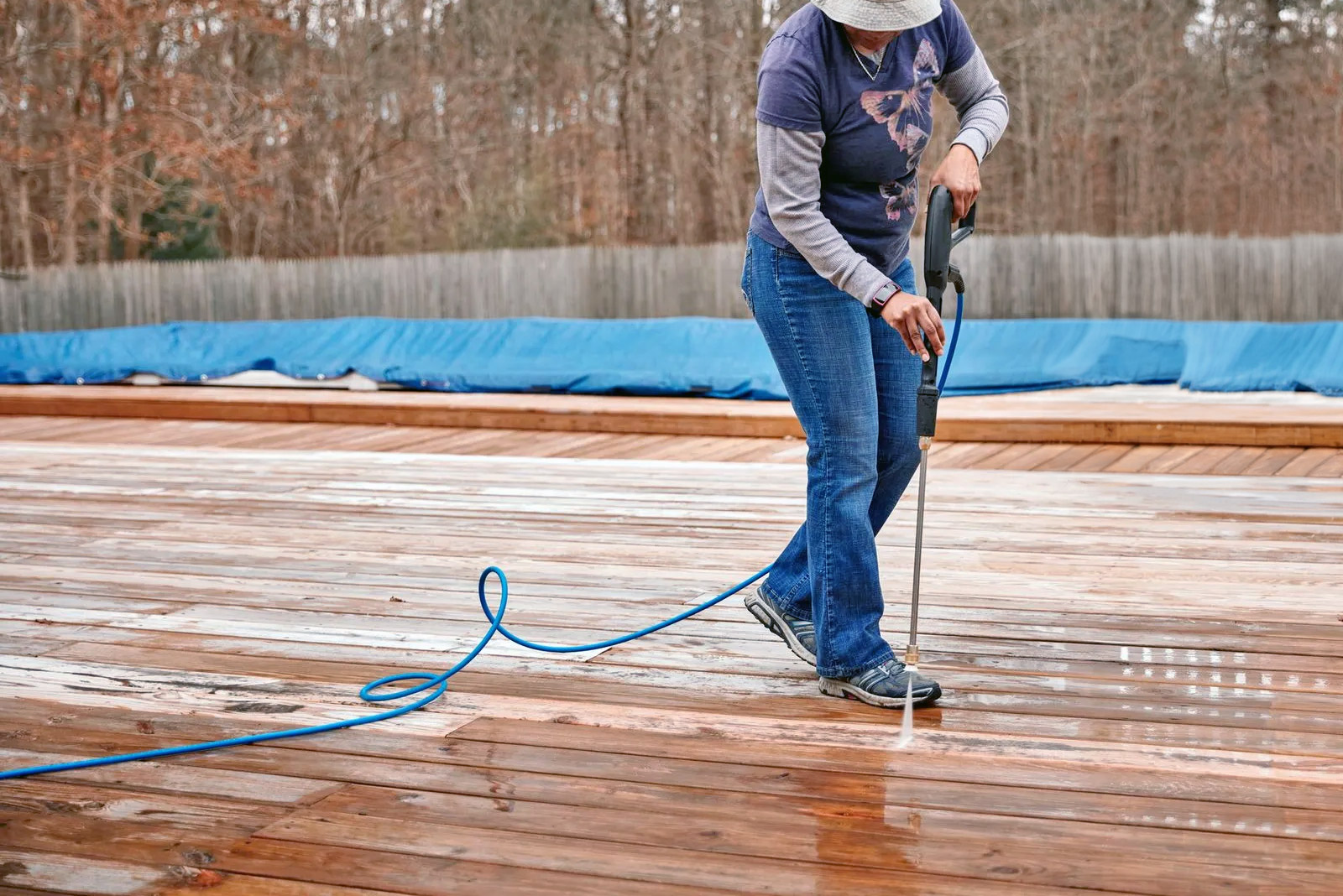
Some homeowners can handle simple pressure washing jobs, especially on straightforward concrete surfaces where access is easy and the risk of damage is low. But that does not mean every job is a good candidate for DIY.
The challenges often include:
- choosing the right equipment
- using the right pressure
- avoiding visible streaks or uneven cleaning
- recognizing which surfaces should not be treated aggressively
- understanding realistic stain-removal expectations
- managing time, runoff, and cleanup
On surfaces like siding, decks, fences, and anything with paint or finish concerns, mistakes can get expensive quickly. What seems like a simple rental project can turn into visible damage, stripped finish, water intrusion, or added prep work for repairs.
If you are weighing the tradeoff, see: Should You Rent a Pressure Washer or Hire a Pro in Southern Oregon?
Common Pressure Washing Jobs We See in Southern Oregon
Exterior cleaning needs vary from home to home, but some patterns show up again and again across Southern Oregon properties.
Common pressure washing-related jobs include:
- driveway and walkway cleaning
- patio cleaning
- house exterior cleaning
- deck and fence cleaning
- seasonal grime removal
- algae cleanup in shaded areas
- pre-sale or pre-event exterior cleanup
Because local homes deal with a mix of dust, tree debris, pollen, and wet-season buildup, many properties need a combination of methods rather than one blanket approach.
That is one reason a surface-specific evaluation matters. A driveway may be a strong fit for pressure washing, while the siding next to it may need something gentler.
How to Decide What Your Property Actually Needs
If you are not sure what method makes sense, it helps to start by looking at the material, not just the dirt.
Durable Concrete or Walkways
Pressure washing is often a good fit for:
- driveways
- sidewalks
- durable concrete surfaces
- some patios
House Exteriors and Siding
Whole-house exterior cleaning often calls for more care, especially around:
- siding seams
- painted finishes
- trim
- window areas
- older or weathered materials
Decks and Fences
Wood surfaces should be evaluated based on:
- wood type
- stain or finish condition
- age
- weathering
- whether the surface will be re-stained or sealed
Roofs
Roofs should usually be treated as their own category. The safest roof-cleaning method is often different from general pressure washing.
When You’re Not Sure
If the surface is painted, finished, aged, or part of the home envelope, it is usually worth slowing down and choosing the method carefully rather than assuming stronger pressure is the answer.
Best Time and Frequency for Pressure Washing in Southern Oregon
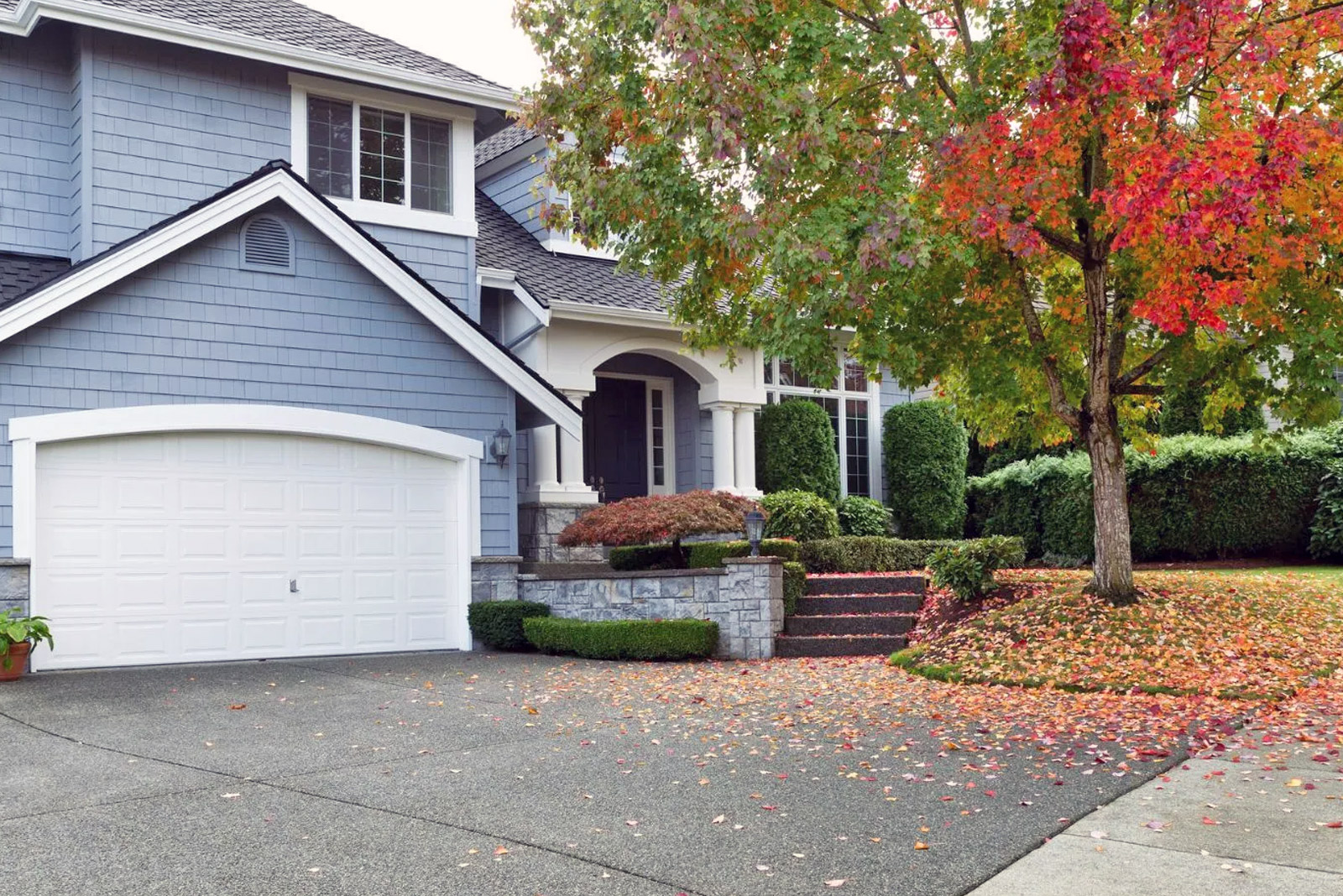
For many homeowners, exterior cleaning needs are seasonal. Spring is a common time to clean away wet-season grime, pollen, and algae. Summer can also make sense for visible dust, outdoor living spaces, and curb appeal projects.
For more on timing, read: Best Time of Year to Pressure Wash or Soft Wash in Southern Oregon.
And if you are wondering how often different surfaces should be cleaned, see: How Often Should You Clean Exterior Surfaces in the Rogue Valley?.
How to Prepare for a Pressure Washing Appointment
If you decide to schedule service, a few simple steps can help the appointment go more smoothly:
- move vehicles away from the work area
- clear outdoor furniture or fragile items when needed
- close windows and secure pets
- make sure access points are clear
- point out problem areas you especially want addressed
For a full checklist, see: Pressure Washing Prep: What to Do Before We Arrive (and How to Keep It Cleaner Longer).
Need Pressure Washing in Southern Oregon?
If you are dealing with dirty concrete, slippery walkways, algae buildup, or exterior grime, the right cleaning method can make a big difference. The key is choosing the right approach for the surface instead of assuming every job should be handled the same way.
At BUX Exterior Cleaning, we help Southern Oregon homeowners clean exterior surfaces safely and effectively based on what the material actually needs. Whether the job calls for pressure washing, a lower-pressure approach, or a more surface-specific cleaning method, the goal is the same: cleaner results without unnecessary risk.
If you would like help with pressure washing services in Southern Oregon, contact BUX Exterior Cleaning or call 541-414-6996.
FAQs
-
Not always. Siding can be damaged if too much pressure is used or if water is forced behind seams, trim, or around windows.
-
Pressure washing is usually best for durable surfaces like concrete driveways, sidewalks, walkways, and some patios.
-
Yes. Too much pressure can splinter wood, raise the grain, strip stain, and leave visible marks on decks and fences.
-
Pressure washing uses stronger water pressure, while soft washing uses a gentler approach that is often safer for siding, painted surfaces, and roofs.