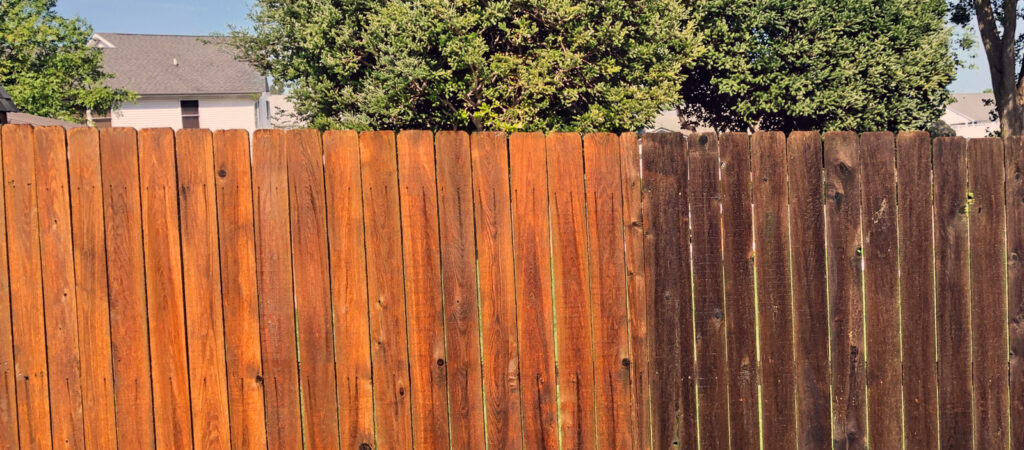
Fence Washing – Cedar, Pressure-Treated, and Stained Fences
Key Takeaways
Fence washing should be based on wood type, finish condition, and weathering.
Cedar, pressure-treated lumber, and stained fences do not all respond the same way to cleaning.
Too much pressure can rough up wood, leave wand marks, and strip stain unevenly.
Fence cleaning is often part of a larger maintenance plan, especially before re-staining or sealing.
A gentler approach is often better for older fences, softer wood, or weathered finishes.
The goal is to clean the fence without creating extra surface damage or finish problems.
Fences take a lot of exposure in Southern Oregon. They sit through wet months, hot, dry weather, dust, tree debris, irrigation overspray, and long stretches without much attention. Over time, that can leave fencing looking gray, dirty, algae-streaked, or unevenly weathered. But while fence cleaning can make a big visual difference, it is also easy to overdo.
That is because not all fences respond the same way to washing. Cedar, pressure-treated lumber, and stained fences each have their own risks. Too much pressure can rough up the wood, leave visible marks, strip stain unevenly, or create more prep work before refinishing.
This guide explains how fence washing differs by wood type and finish, when pressure washing may be appropriate, and how to avoid turning a cleanup job into avoidable damage.
Why Fence Cleaning Needs More Care Than Many Homeowners Expect
From a distance, a dirty fence may seem like a simple pressure washing job. It is outside, it is made of wood, and it looks like the kind of thing that should clean up quickly. But wood fencing is more sensitive than many homeowners realize.
Unlike concrete, wood can react visibly to aggressive cleaning. A fence may look cleaner right away, but still end up with:
- rougher texture
- raised grain
- splintering
- patchy finish loss
- uneven color
- visible spray marks
That matters even more when the fence is highly visible from the street, lines a backyard living area, or is being cleaned ahead of staining or sealing.
Fence washing is not just about getting dirt off. It is about cleaning the wood without making the surface harder to maintain afterward.
What Builds Up on Fences in Southern Oregon
Fences in Southern Oregon can collect several kinds of buildup depending on shade, tree cover, irrigation, and age.
Common fence issues include:
- dust and dry-season film
- algae or mildew in shaded areas
- gray weathering
- splashback near the bottom
- sprinkler staining
- leaf and debris staining
- uneven discoloration from sun exposure
- cobwebs and general grime
A sunny fence may fade and dry out differently than one tucked under trees or near landscaping. That is one reason one side of a fence can age differently than another.
Cedar Fences: Why They Need a Careful Approach
Cedar is a popular fencing material because it looks good, resists decay relatively well, and fits many Southern Oregon properties. But cedar can also be one of the easier woods to damage with overly aggressive cleaning.
Common Cedar Fence Cleaning Risks
Cedar is more likely to show:
- raised grain
- fuzzing
- surface roughness
- uneven color changes
- visible marks from poor technique
Even when the fence looks heavily weathered, that does not mean it should be blasted aggressively.
Cedar Often Benefits From More Control, Not More Force
A cedar fence can often be cleaned successfully, but the method needs to respect the wood. If the goal is maintenance cleaning or getting the fence ready for future finish work, preserving the surface matters just as much as removing the grime.
This is especially true on fences that are already aging, drying, or showing finish wear.
Pressure-Treated Fences: More Forgiving, but Still Wood
Pressure-treated lumber is sometimes a little more forgiving than cedar, but it is still vulnerable to poor technique.
A pressure-treated fence can still end up with:
- streaking
- roughened wood fibers
- uneven finish removal
- visible spray patterns
- extra prep needs before staining
In other words, being pressure-treated does not make a fence pressure-proof.
It may tolerate a little more than softer wood in some cases, but it still should not be treated like a driveway or patio slab.
Stained Fences: The Finish Changes Everything
Once stain enters the picture, fence cleaning becomes less about raw wood and more about how the finish is holding up.
What Homeowners Often Want From a Stained Fence Cleaning
Usually, the goal is one of two things:
- maintenance cleaning to improve appearance without damaging the stain
- prep cleaning before re-staining or refinishing
Those are two very different situations.
Maintenance Cleaning vs Prep Cleaning
If the fence is being cleaned just to look better, the goal is usually to remove dirt, webs, and grime while preserving as much of the existing finish as possible.
If the fence is being cleaned because a new stain or sealer is coming next, more finish disruption may be acceptable depending on the plan.
That distinction matters because the “right” level of aggressiveness changes based on what comes after the cleaning.
Uneven Stain Stripping Is a Common Problem
One of the most frustrating fence-cleaning outcomes is when part of the stain lifts and part of it does not. The fence may end up looking patchier than before, which is especially common when homeowners use more pressure than the surface really needed.
Gray Weathering and What It Means
A lot of fence cleaning calls start because the fence has gone gray.
Gray weathering is normal over time, especially on unfinished or older wood exposed to sun, rain, and changing conditions. But homeowners often assume the solution is simply to pressure wash the gray away.
Sometimes cleaning helps a lot. Sometimes the gray tone is more tied to weathering than removable dirt alone.
That means the result may be:
- much cleaner overall
- brighter in places
- more even in appearance
- improved, but not fully restored to new-looking wood
This is another place where realistic expectations matter.
The Biggest Fence Washing Mistakes Homeowners Make
Fence cleaning problems are usually caused by over-aggression, poor technique, or not thinking about the finish.
Using Too Much Pressure
This is the most common issue. Too much pressure can:
- rough up the surface
- leave wand lines
- damage softer wood
- strip finish unevenly
- make the fence feel more weathered after cleaning
Treating the Fence Like a Deck or Driveway
Even though fences and decks are both wood, they do not always have the same maintenance goals. And neither should be treated like concrete.
Fence boards, especially vertical boards with age and finish wear, often show poor technique quickly.
Ignoring the Bottom Edge of the Fence
The lower sections of many fences take the most splashback, algae, and irrigation exposure. They may also be more weathered or softer than the upper sections, which means the cleaning method may need extra care there.
Not Thinking About What Comes Next
If staining, sealing, or repairs are part of the plan, the cleaning should support that goal. Over-cleaning can create more prep, not less.
Fence Cleaning Before Re-Staining or Sealing
Fence washing is often done because the homeowner wants to refresh the finish afterward.
That can make good sense, but the cleaning still needs to prepare the fence rather than damage it.
A fence cleaned too aggressively may need:
- extra drying time
- more sanding
- surface correction
- more stain prep
- attention to uneven finish loss
The best prep cleaning is not the harshest one. It is the one that gets the fence ready for the next step without creating unnecessary damage.
Algae, Irrigation, and Bottom-Edge Buildup
Some fence staining is not really about overall weathering. It is about where moisture lingers.
This is common along:
- the bottom edge of the fence
- fence lines beside lawns
- areas hit by sprinklers
- shaded corners
- zones near planting beds
That can lead to green growth, darker staining, and a fence that looks much worse at the base than across the rest of the panels.
Cleaning can help, but if the moisture source keeps returning, so will the buildup.
How Often Should a Fence Be Cleaned?
Fence cleaning is usually less frequent than driveway or house washing, but that does not mean it never matters.
Many fences make sense to clean:
- every 1 to 3 years
- before staining or sealing
- when algae, grime, or gray weathering becomes more noticeable
- when appearance becomes a priority
Fences that are hidden, lightly weathered, or not part of a curb-appeal concern can often wait longer. Highly visible fences or fences near outdoor living spaces may be worth cleaning sooner.
For more on overall cleaning intervals, see How Often Should You Clean Exterior Surfaces in the Rogue Valley?.
Best Time of Year to Clean a Fence in Southern Oregon
Fence cleaning often makes the most sense in spring or early summer, especially if the fence has come through wetter months looking darker, greener, or more weathered.
That timing also works well when:
- outdoor spaces are getting used more
- curb appeal matters more
- refinishing season is approaching
- the fence is part of a broader cleanup plan
For more on timing, see Best Time of Year to Pressure Wash or Soft Wash in Southern Oregon.
Fence Washing vs Deck Cleaning
Fences and decks share some of the same wood-cleaning risks, but they are not identical maintenance jobs.
Decks take foot traffic and often show surface damage more dramatically. Fences are more likely to involve:
- vertical boards
- uneven sun exposure
- bottom-edge moisture issues
- street-facing appearance concerns
- stain-aging differences across long runs of wood
For more on wood deck cleaning, see Deck Cleaning: When to Use Pressure vs. Soft Wash (and How to Avoid Damage).
DIY Fence Washing vs Hiring a Pro
Fence cleaning is one of those jobs that can look easy until the surface starts reacting badly. A homeowner may not realize anything went wrong until the fence dries and the wood looks fuzzier, rougher, or patchier than expected.
DIY is most likely to create issues when:
- the fence is cedar
- stain is still partially present
- the fence is older or weathered
- maintenance is the goal, not full refinishing prep
- the homeowner uses more pressure than needed
If you are weighing the options, see Should You Rent a Pressure Washer or Hire a Pro in Southern Oregon?.
Need Fence Washing in Southern Oregon?
If your fence is looking dirty, gray, algae-streaked, or unevenly weathered, cleaning can make a major difference. The key is using the right method for the wood type, finish condition, and long-term maintenance plan.
At BUX Exterior Cleaning, we help Southern Oregon homeowners clean cedar, pressure-treated, and stained fences based on the material, age, and type of buildup involved. Whether the goal is maintenance cleaning, curb appeal improvement, or prep before future finish work, the goal is cleaner results without unnecessary wood damage.
If you need pressure washing services in Southern Oregon, contact BUX Exterior Cleaning or call 541-414-6996.
FAQs
-
Yes, but it should be done carefully because too much pressure can rough up the wood or cause fuzzing.
-
Yes. Aggressive cleaning can remove or disturb stain, especially if the finish is already wearing unevenly.
-
Gray weathering is common from sun, rain, and age. Cleaning can improve appearance, but it may not fully restore new-looking color.
-
Many fences are cleaned every 1 to 3 years, or whenever grime, algae, weathering, or prep for staining makes it worthwhile.
-
Yes, in most cases. The cleaning should prepare the surface without unnecessarily damaging the wood.