Can Roof Moss Affect Home Insurance in Oregon? (What Homeowners Should Know)
Key Takeaways
- Roof moss does not usually trigger immediate cancellation on its own
- It can still create insurance problems if it appears tied to poor roof maintenance
- Insurers increasingly use aerial imagery and other remote tools to review roof condition
- Homeowners are more likely to see warnings, repair requests, or non-renewal concerns than instant cancellation
- Photos, invoices, and timely maintenance can help if the roof condition is questioned
- In Southern Oregon, regular moss control can help protect both the roof and the insurability
Roof moss does not usually cause an immediate homeowners’ insurance cancellation by itself. But it can become an insurance problem if it contributes to visible roof deterioration, makes the home appear poorly maintained, or raises underwriting concerns during renewal.
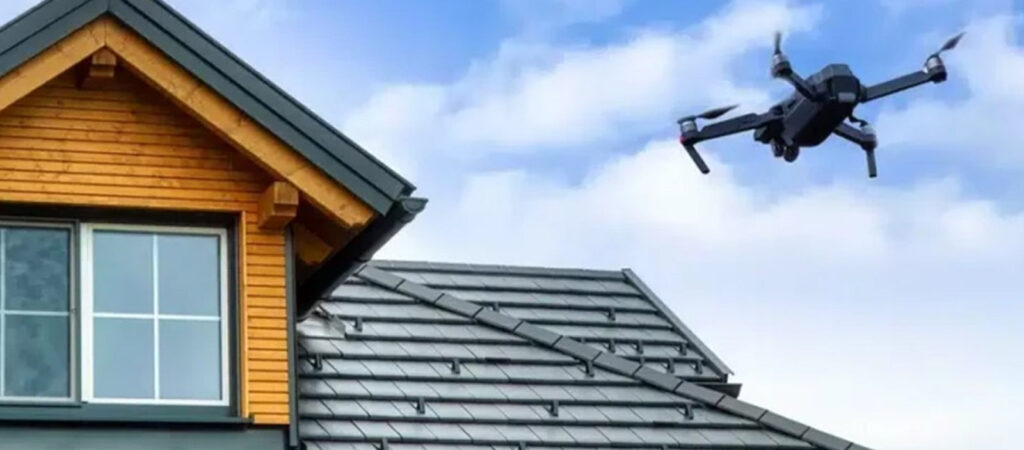
That matters more today because insurers increasingly use aerial imagery, satellite-based review, and, in some cases, drones to evaluate roof condition. In several states, regulators and lawmakers have responded to concerns about how insurers use that imagery in underwriting and non-renewal decisions.
For homeowners in Southern Oregon, where moss is common on shaded and moisture-prone roofs, the takeaway is simple: moss may be normal here, but ignoring it can still create problems if your insurer sees it as a sign of deferred maintenance.
This guide explains when roof moss may affect insurance, how insurers review roof condition, and what homeowners can do to reduce the risk of notices, deadlines, or non-renewal issues.
Why This Question Is Coming Up More Often
This concern is getting more attention because the way insurers inspect homes has changed.
In recent years, regulators, lawmakers, and industry reporting have pointed to growing use of aerial imagery and remote review tools in homeowners insurance underwriting and renewals. That does not mean every insurer handles inspections the same way, and it does not mean every mossy roof becomes an insurance issue. But it does mean roof condition can now be reviewed more easily — sometimes without a traditional on-site inspection first.
For homeowners, that means visible roof issues may get flagged earlier than they did in the past.
Can Roof Moss Actually Affect Home Insurance?
Yes — potentially.
Roof moss is usually not the problem by itself. The bigger concern is what moss may suggest to an insurer. If a roof appears heavily moss-covered, poorly maintained, or at greater risk for future water damage, that can lead to questions during underwriting or renewal.
Possible outcomes may include:
-
A notice requesting maintenance or cleanup
-
A deadline to correct visible roof condition issues
-
A request for updated photos or documentation
-
Conditional renewal based on repairs or maintenance
-
Non-renewal if the condition is not addressed
That does not mean every homeowner with roof moss will get a notice. It means moss can become part of a broader maintenance and risk conversation if the roof condition looks questionable from above.
Why Insurance Companies Care About Roof Moss
From an insurer’s perspective, roof moss is not just about appearance.
Moss can trap moisture against roofing materials and may contribute to:
-
Faster shingle wear
-
Persistent dampness in vulnerable roof areas
-
Debris buildup in valleys and drainage paths
-
Conditions that increase the risk of leaks over time
Insurers are focused on reducing preventable claims. If moss appears established or widespread, it may be viewed as part of a maintenance issue rather than just a cosmetic issue.
How Insurers Review Roof Condition Today
A traditional in-person inspection is no longer the only way roof condition gets reviewed.
Today, insurers may rely on tools such as:
-
Aerial imagery
-
Satellite-based imagery
-
Third-party property condition reports
-
Drone imaging in some situations
-
Follow-up inspection requests
Public guidance and reporting show that remote imagery has become a growing part of the underwriting process, even as some regulators have pushed for better transparency, accuracy, and consumer protections around how it is used.
Why “Visible From Above” Matters
One important shift is that a roof can appear risky to an insurer even if the homeowner has not noticed a problem from the ground.
A roof may still be functioning reasonably well, but if aerial images show:
-
Thick moss growth
-
Dark, damp-looking sections
-
Debris-filled valleys
-
Uneven wear patterns
-
Areas that look neglected
…it may draw attention during a policy review.
That does not always mean the insurer is right. Remote imagery can be incomplete or outdated, which is one reason some state regulators have emphasized accuracy and consumer transparency. But from a practical standpoint, homeowners should assume that visible roof condition matters more than it used to.
Moss Is Common in Oregon — But Insurers May Still Expect Maintenance
Southern Oregon has many of the conditions that make moss growth more likely.
Common contributors include:
-
Long wet periods
-
Shaded roof slopes
-
Mature tree cover
-
North-facing sections
-
Debris that holds moisture in place
That helps explain why moss is so common on local homes. But common does not necessarily mean ignored. Insurers may still expect homeowners to manage visible roof moss if it appears established enough to affect the roof’s condition or signal deferred maintenance.
What Usually Happens First
In most cases, the issue is not “your policy is canceled tomorrow.”
More commonly, homeowners may first see:
-
A warning or maintenance notice
-
A request to address the roof condition before renewal
-
A deadline to clean, repair, or document the roof
-
A request for updated photos after the issue is corrected
That distinction matters. In many cases, homeowners have an opportunity to respond before the issue becomes a bigger insurance problem.
What Homeowners Can Do to Reduce Insurance Risk
The goal is not to make the roof look perfect. It is to reduce the chance that visible moss gets interpreted as neglect.
Helpful steps include:
-
Removing visible moss before it becomes thick or widespread
-
Keeping roof valleys and gutters clear
-
Managing overhanging branches that increase shade and debris
-
Avoiding harsh cleaning methods that can damage roofing materials
-
Checking the roof condition before renewal periods
-
Addressing obvious maintenance issues promptly
Even basic roof upkeep can make a meaningful difference in how the roof appears in photos and how it is perceived during underwriting.
What to Do if Your Insurance Company Flags Roof Moss
If you receive a notice about the roof condition, do not ignore it.
A better approach is to:
-
Read the notice carefully and note any deadlines
-
Ask what condition was flagged
-
Request clarification if the concern seems vague
-
Take current photos of the roof from the ground
-
Have the roof assessed if needed
-
Address the moss or related maintenance issue promptly
-
Save before-and-after photos and any invoices
-
Send documentation back before the deadline
If the imagery appears inaccurate or outdated, ask how to dispute the finding or provide updated evidence. Concerns about outdated or incomplete aerial imagery have been serious enough that some regulators and lawmakers have specifically addressed them.
Does Insurance Require Professional Moss Removal?
Not always.
Insurance companies usually care more about the condition being corrected than about whether the homeowner or a contractor performed the work. That said, professional moss removal can be helpful when:
-
Moss is thick or widespread
-
The roof is steep or unsafe to access
-
Better visual results are needed
-
The homeowner wants clear documentation of service
Professional service can also reduce the risk of DIY damage from scraping, pressure washing, or using the wrong treatment method.
Documentation Can Help
If the roof condition is ever questioned, maintenance records may help support your case.
Useful documentation can include:
-
Before-and-after photos
-
Service invoices
-
Inspection notes
-
Dates of treatment or cleanup
You may never need any of it. But if a renewal question comes up, having proof of recent maintenance is better than trying to reconstruct it later.
Final Thought
Roof moss alone does not usually cause automatic homeowners’ insurance cancellation. But if it contributes to visible roof deterioration or makes the home appear poorly maintained, it can create underwriting or renewal problems.
For Southern Oregon homeowners, the best approach is simple: keep moss under control, stay ahead of obvious roof maintenance, and document the work when you do it.
If you want a broader overview of safe removal and prevention, see our roof moss removal and prevention guide. If you are deciding how to handle an active problem, it also helps to understand which roof moss removal methods make the most sense for your roof and how often moss should be addressed on Southern Oregon homes.
FAQs
-
Yes, potentially. Moss alone does not usually mean immediate cancellation, but it can become an issue if it contributes to visible roof deterioration or is seen as a sign of deferred maintenance.
-
Usually not. More often, homeowners may receive a notice, a repair request, or a renewal-related warning before a more serious insurance issue develops.
-
Some do, and insurers also use aerial imagery and other remote review tools. Exact methods vary by company and situation. Public reporting and regulator responses show that remote imagery has become more common in homeowners’ insurance.
-
Heavier or more visible moss growth is more likely to draw attention, especially if it appears established, widespread, or tied to poor drainage, debris buildup, or visible wear.
-
Read the deadline carefully, document the roof’s current condition, address the issue promptly, and save photos or invoices showing the work was completed.
-
Not always. Insurers usually care that the condition is corrected. But professional service can help when the roof is steep, the moss is extensive, or you want clearer documentation and safer results.
-
Yes. Before-and-after photos, invoices, and inspection notes may help show that the issue was addressed if underwriting or renewal questions come up.
-
That depends on tree cover, shade, moisture, and roof orientation. Homes in moss-prone areas often need more regular attention than roofs in sunnier, faster-drying locations.