Do Zinc and Copper Strips Actually Stop Roof Moss?
Key Takeaways
- Zinc and copper strips can help reduce roof moss regrowth over time
- They work best as a prevention tool, not as a removal method
- Strips are most useful after existing moss has already been addressed
- Zinc and copper do not work equally well in every situation
- Roof design, rainfall flow, shade, and existing buildup all affect results
- Strips can be helpful, but they are rarely a complete moss solution by themselves
Zinc and copper strips can help reduce roof moss growth — but they are often misunderstood.
Some homeowners expect strips to solve an active moss problem on their own. Others assume they are a gimmick that does nothing at all. The reality is somewhere in the middle.
When installed correctly and used in the right situation, zinc or copper strips can be a useful part of a roof moss prevention plan. But they are not a substitute for removing established moss, and they do not work equally well on every roof or every property.
This guide explains how zinc and copper strips work, when they are most effective, what they can and cannot do, and whether they are worth using on Southern Oregon homes.
How Zinc and Copper Strips Work
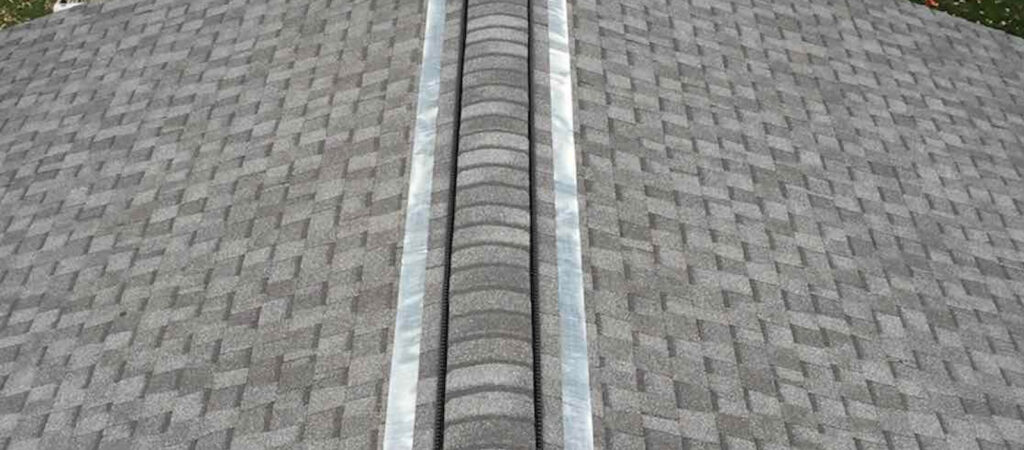
Zinc and copper strips are usually installed near the ridge of the roof.
When rainwater runs over the metal, it carries trace amounts of zinc or copper down the roof surface. That runoff can make conditions less favorable for moss growth on the sections below.
The basic idea is simple: moss tends to struggle more in areas regularly exposed to that runoff.
This is why strips are usually used as a prevention method rather than a cure. They are meant to help reduce regrowth over time, not instantly clean a roof or remove thick moss that is already established.
What Zinc and Copper Strips Can Actually Do
When people say zinc or copper strips “work,” what they usually mean is that the strips can help make some parts of the roof less hospitable to moss.
In the right situation, strips may help:
-
Slow moss regrowth
-
Reduce how quickly moss returns after removal
-
Help protect problem sections below the strip
-
Support a broader moss prevention plan
That is useful — especially on roofs that have a known regrowth pattern.
But the strips are not doing the same job as moss removal. They are not designed to scrape moss off the roof, fully clean a dirty surface, or solve a roof that already has heavy established growth across multiple sections.
What Zinc and Copper Strips Cannot Do
This is where many homeowners get disappointed.
Zinc and copper strips do not:
-
Remove existing moss
-
Instantly clean a roof
-
Solve heavy moss buildup by themselves
-
Overcome major shade or debris problems on their own
-
Prevent every future moss issue permanently
If the roof already has thick moss, trapped debris, or sections that stay heavily shaded and damp, strips alone are usually not enough.
That does not mean they are ineffective. It just means they work best in the right role: prevention after cleanup, not rescue treatment for an already overgrown roof.
Zinc vs. Copper: What Is the Difference?
Both zinc and copper strips are used for the same basic purpose, but they are not identical.
Zinc strips
Zinc is often the more common option and is typically chosen when homeowners want a practical prevention tool without overcomplicating the decision.
Zinc may make sense when:
-
The goal is straightforward moss prevention
-
The homeowner wants a more common strip option
-
Budget sensitivity matters more than premium material preference
Copper strips
Copper is often viewed as a more premium option and may appeal to homeowners who want longer-lasting materials or a different look.
Copper may make sense when:
-
The homeowner prefers premium materials
-
The roof design or aesthetic makes copper more appealing
-
Long-term material durability is a priority
In practice, the better choice often comes down to budget, roof type, and what the homeowner wants from the prevention plan rather than a simple “one is always better” answer.
When Zinc or Copper Strips Work Best
Strips usually work best when they are part of a roof that already has a reasonable starting condition.
That often means:
-
Existing moss has already been removed
-
The roof is not heavily debris-covered
-
Water can actually run over the strip and across the roof surface
-
The homeowner is trying to reduce regrowth in known problem areas
-
The roof has recurring moss, but not overwhelming active growth everywhere
This is why strips are often most useful after roof moss removal rather than before it.
If the roof has already been cleaned up, strips may help slow how quickly the problem returns.
When Zinc or Copper Strips Often Disappoint
Strips are more likely to disappoint when homeowners expect them to solve a problem they were never meant to fix.
Results are often weaker when:
-
The roof already has thick, established moss
-
Heavy shade is still a major issue
-
Debris keeps collecting in valleys and lower sections
-
The roof design does not allow runoff to benefit key problem areas well
-
The homeowner expects immediate visual results
In these cases, the strips may still provide some benefit, but they are unlikely to feel like a dramatic solution.
That is often where the gap between expectation and reality shows up.
Why Roof Design Matters
Zinc and copper strips do not affect every part of every roof equally.
Their usefulness depends in part on how rainwater moves over the roof surface.
That means results can vary based on things like:
-
Roof pitch
-
Roof length
-
Water runoff pattern
-
Complex rooflines
-
Valleys and transitions
-
Whether the problem areas actually sit below the strip
A simple roof shape may allow strips to benefit a wider section of the roof. A more complex design may leave some problem areas less protected.
This is one reason strips can work well on one home and feel underwhelming on another.
Why Southern Oregon Conditions Matter
Southern Oregon roofs often deal with the exact conditions that encourage moss:
-
Seasonal moisture
-
Heavy shade
-
Tree debris
-
North-facing roof slopes
-
Slow-drying sections
That means moss prevention matters here — but it also means no single prevention tool should be expected to do all the work.
On local homes, strips are usually most helpful when combined with:
-
Roof cleaning or moss removal
-
Debris control
-
Gutter maintenance
-
Shade reduction where possible
-
Attention to recurring moisture-prone sections
In other words, strips can help, but they usually work best as part of a broader prevention strategy rather than as a stand-alone answer.
Are Zinc or Copper Strips Worth It?
For many homeowners, the answer is yes — if they understand what the strips are for.
They are usually worth considering when:
-
Moss has already been removed
-
The roof has a pattern of repeated regrowth
-
The homeowner wants a passive prevention tool
-
The roof design allows runoff to help problem sections below
-
Expectations are realistic
They are usually less worth it when:
-
The roof still has heavy active moss everywhere
-
The homeowner expects strips to replace the cleanup
-
The biggest issue is debris and shade, not just regrowth
-
The goal is a fast, visible improvement
A strip system is usually most worthwhile when the homeowner wants to slow future moss, not skip proper roof care entirely.
Does Installation Matter?
Yes — installation matters a lot.
Even a good prevention product may underperform if it is placed poorly, installed inconsistently, or added to a roof where the runoff pattern does not help the problem areas much.
Installation details can affect:
-
How much of the roof benefits
-
Whether key moss-prone sections sit below the strip
-
How consistently runoff reaches the surface
-
Whether the strip works as intended over time
That is one reason strip systems tend to work best when they are part of a thought-through prevention plan rather than an afterthought.
What Homeowners Often Get Wrong About Roof Moss Strips
Some of the most common misunderstandings are:
-
Thinking strips remove existing moss
-
Expecting one strip to protect every section of a complex roof
-
Assuming strips solve heavy shade and debris problems
-
Believing “works” means instant visual change
-
Treating strips as a replacement for maintenance
The strips are not useless. But they are also not magic.
They make the most sense when homeowners treat them as a long-term prevention tool, not as a shortcut around proper cleanup and maintenance.
Final Thought
Zinc and copper strips can work for roof moss — but mostly as a way to help prevent regrowth, not to solve an already overgrown roof.
They are most useful after moss has been removed, when the roof has recurring problem areas, and the homeowner wants a more passive prevention measure. They are less effective when used as a substitute for cleanup, or when the roof still has major shade, debris, and established moss working against it.
For many Southern Oregon homes, strips can be a helpful part of the plan. They just should not be mistaken for the entire plan.
For a broader look at prevention options, see our guide to compare roof moss prevention treatments. If you are still dealing with active moss and trying to decide how to remove it first, it may also help to read about roof moss removal methods compared.
FAQs
-
Yes, they can help reduce roof moss regrowth over time. They work best as a prevention tool, not as a way to remove heavy existing moss.
-
No. Zinc and copper strips are not designed to remove established moss that is already growing on the roof.
-
They can be worth it when the roof has already been cleaned and the goal is to help slow moss from returning.
-
Neither one is automatically better in every situation. The better choice often depends on budget, roof design, material preference, and prevention goals.
-
No. Their effectiveness depends on roof design, runoff pattern, existing buildup, shade, and whether the strip is positioned to benefit the areas where moss tends to grow.