Can Moss Growth Void Your Roof Warranty When Left Untreated?
Key Takeaways
- Moss growth can contribute to warranty denial if damage is linked to neglect
- Most warranties require reasonable roof maintenance
- Untreated moss may accelerate shingle deterioration
- Improper DIY removal can void warranties immediately
- Regular inspections, proper removal, and documentation help protect coverage
Potentially, yes. Many roofing warranties require regular maintenance, and unchecked moss growth may be considered neglect — which can put your warranty coverage at risk.
In Southern Oregon, where moss growth is common, understanding how warranties work (and how moss fits into them) can help homeowners avoid costly surprises.
How Roof Warranties Typically Work
Most roofing warranties fall into two categories:
- Manufacturer warranties – Cover defects in roofing materials
- Workmanship warranties – Cover installation issues from the contractor
While details vary by manufacturer, nearly all warranties include maintenance-related language that homeowners are expected to follow.
This often includes requirements such as:
- Keeping the roof free of excessive debris
- Preventing prolonged moisture exposure
- Addressing biological growth like moss or lichen
If these conditions aren’t met, warranty claims can be denied.
Why Moss Growth Can Be Considered “Neglect”
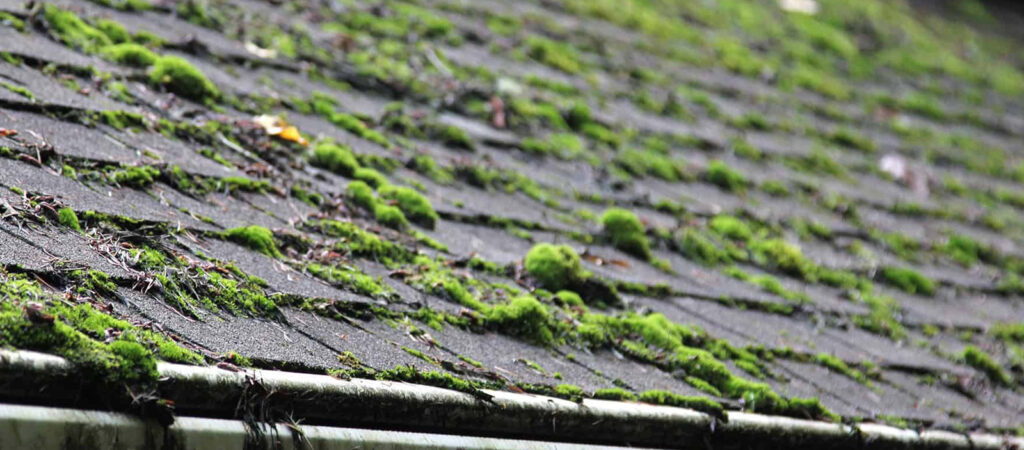
Moss doesn’t just sit on the surface — it actively holds moisture against shingles. Over time, this can:
- Lift or curl shingles
- Accelerate granule loss
- Trap water along seams and edges
- Shorten the lifespan of roofing materials
Because moss-related damage develops gradually, manufacturers may argue that it resulted from lack of maintenance, not a defect.
The Asphalt Roofing Manufacturers Association (ARMA) notes that organic growth can accelerate roof deterioration if left untreated.
What Roofing Manufacturers Actually Say About Moss
While wording varies, many manufacturers include clauses similar to:
“Damage caused by algae, moss, lichen, or other biological growth is not covered unless proper maintenance has been performed.”
Some even specify that periodic cleaning is required in shaded or damp climates.
This is especially relevant in the Rogue Valley, where moss-friendly conditions are common and predictable.
Does Moss Automatically Void a Roof Warranty?
No — moss growth alone does not automatically void a warranty.
However, damage caused by long-term, untreated moss may not be covered. If an inspector determines that moss contributed to the problem, a claim could be denied.
The key factor is whether the homeowner took reasonable steps to maintain the roof.
How to Protect Your Roof Warranty in Southern Oregon
To reduce the risk of warranty issues, homeowners should:
1. Schedule Regular Roof Inspections
- Inspect the roof every 12–18 months
- Pay special attention to shaded and north-facing areas
2. Remove Moss Promptly
- Address moss while it’s still light and manageable
- Avoid aggressive scraping or pressure washing
3. Use Manufacturer-Approved Cleaning Methods
- Harsh chemicals or improper cleaning can cause damage
- Professional, roof-safe treatments are recommended
4. Keep Records
- Save invoices, inspection notes, and service documentation
- Proof of maintenance can be critical during a warranty claim
Following a consistent roof moss removal and prevention approach shows manufacturers that proper maintenance has been performed, which can be critical during a warranty claim.
Scheduling service based on how often the roof moss should be removed helps prevent long-term damage that could be viewed as neglect.
Warranty-Safe Roof Maintenance Checklist
Regular maintenance helps protect both your roof and its warranty — especially in moss-prone climates. Use this checklist to help protect your roof warranty in moss-prone areas like Southern Oregon:
Inspect your roof every 12–18 months, especially shaded areas
Remove moss early before it becomes thick or embedded
Avoid pressure washing or aggressive scraping
Use roof-safe, manufacturer-approved treatments
Keep gutters and roof valleys clear of debris
Maintain clearance from overhanging branches
Save records of inspections and moss removal
DIY Moss Removal vs. Warranty Risk
DIY moss removal isn’t the safest option and can sometimes do more harm than good. Common mistakes include:
- Scraping shingles too aggressively
- Using bleach or harsh chemicals
- Pressure washing asphalt shingles
These actions can void warranties outright, even if moss itself didn’t cause damage.
Professional moss removal focuses on gentle techniques and manufacturer-safe treatments, helping protect both the roof and its warranty.
Why This Matters More in the Rogue Valley
Southern Oregon’s climate — wet winters, shaded neighborhoods, and heavy tree cover — makes moss growth predictable.
Because moss is a known regional issue, manufacturers may expect homeowners to address it proactively. Ignoring moss in this environment can weaken a warranty claim.
Protecting Your Roof (and Your Warranty)
Managing moss isn’t just about curb appeal — it’s about protecting one of your home’s biggest investments. Regular inspections, safe removal, and preventive care help extend roof life and preserve warranty coverage.
FAQs
-
No, but damage caused by untreated moss may not be covered.
-
Often, yes. In moss-prone regions like Southern Oregon, maintenance expectations are higher.
-
Yes. Many manufacturers specifically warn against pressure washing asphalt shingles.
-
Most homes benefit from inspection and moss management every 1–2 years, depending on shade and tree cover.
-
Absolutely. Documentation can make a major difference during a warranty claim.