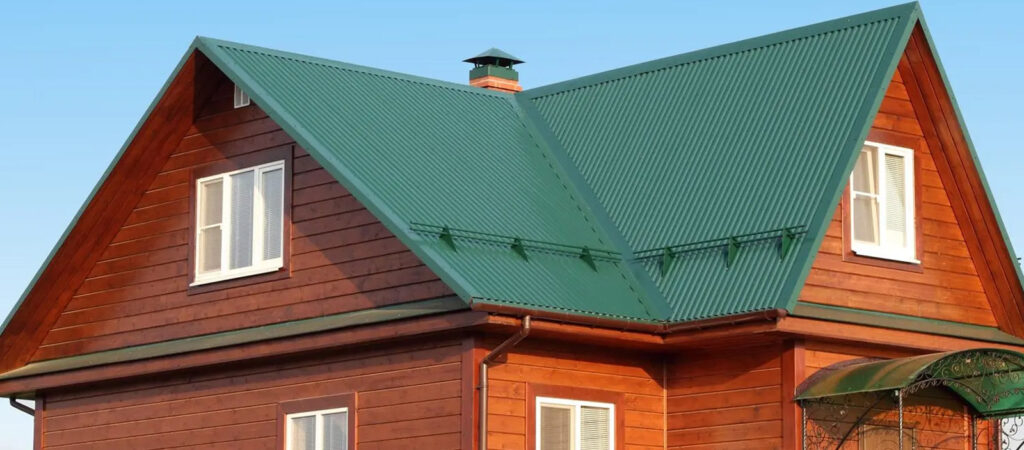
How Roof Cleaning Changes by Roof Material
Key Takeaways
- Roof cleaning methods should be matched to the roofing material
- Asphalt shingle roofs usually need the most caution around pressure and abrasion
- Metal roofs may shed debris well, but still need care around seams, fasteners, and finish protection
- Synthetic or composite roofs often require manufacturer-conscious cleaning methods
- The safest roof cleaning method is not always the same from one roof to another
- Homeowners should avoid assuming one cleaning approach works equally well on every roof type
Not every roof should be cleaned the same way.
That is one of the biggest misunderstandings homeowners run into when they start researching roof cleaning. A method that may be fine for one roof type can be too aggressive, unnecessary, or risky for another.
That matters because asphalt shingles, metal roofing, and synthetic or composite roofing all respond differently to moisture, debris, staining, and cleaning methods. They also have different weak points. What protects one roof may not be the right approach for another.
This guide explains how roof cleaning changes by roof material, what kinds of buildup tend to matter most on each type, and what homeowners should understand before cleaning an asphalt, metal, or synthetic roof.
Why Roof Material Matters Before Cleaning
Roof cleaning is not just about removing buildup. It is also about avoiding unnecessary wear while doing it.
Each roofing material has its own surface characteristics, vulnerabilities, and maintenance needs. Some roofs are more sensitive to pressure. Some are more likely to hold debris in textured areas. Others may resist moss better overall but still need careful cleaning to protect coatings, seams, or specialized materials.
That is why a roof cleaning plan should start with the roof itself, not just the buildup on top of it.
Asphalt Shingle Roofs
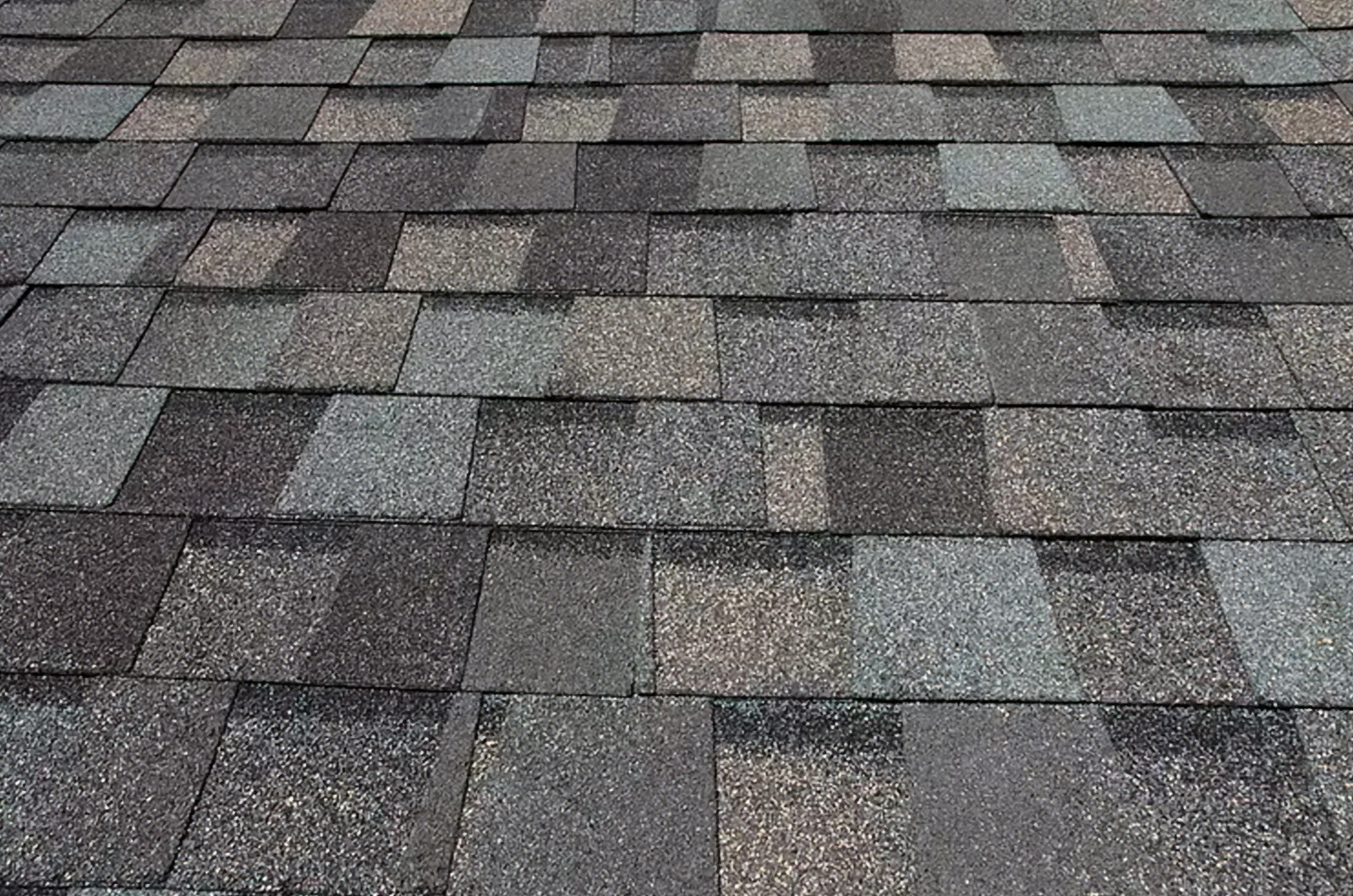
Asphalt shingle roofs are one of the most common roof types on homes in Southern Oregon, and they are also one of the easiest to damage with the wrong cleaning method.
The main concern with asphalt shingles is preserving the roof surface. High pressure, harsh abrasion, and aggressive scraping can shorten roof life by disturbing granules or wearing down the shingle surface.
Common Issues With Asphalt Shingle Roofs
-
Moss in shaded sections
-
Dark streaks or algae staining
-
Pine needles and leaf debris
-
Buildup in valleys and along lower edges
-
Slower drying on north-facing slopes
What Asphalt Shingle Roofs Usually Need
Asphalt roofs usually respond best to roof-safe cleaning methods that focus on treatment and gentle removal rather than force.
In many cases, the goal is to:
-
reduce organic buildup
-
clean stained areas safely
-
avoid granule loss
-
address moisture-prone sections without damaging the shingles
What to Avoid on Asphalt Shingles
-
High-pressure washing
-
Aggressive brushing
-
Hard scraping
-
Cleaning methods that remove granules or disturb shingle edges
For asphalt roofs, “getting it clean fast” is usually not the right priority. Protecting the roof surface matters more.
Metal Roofs
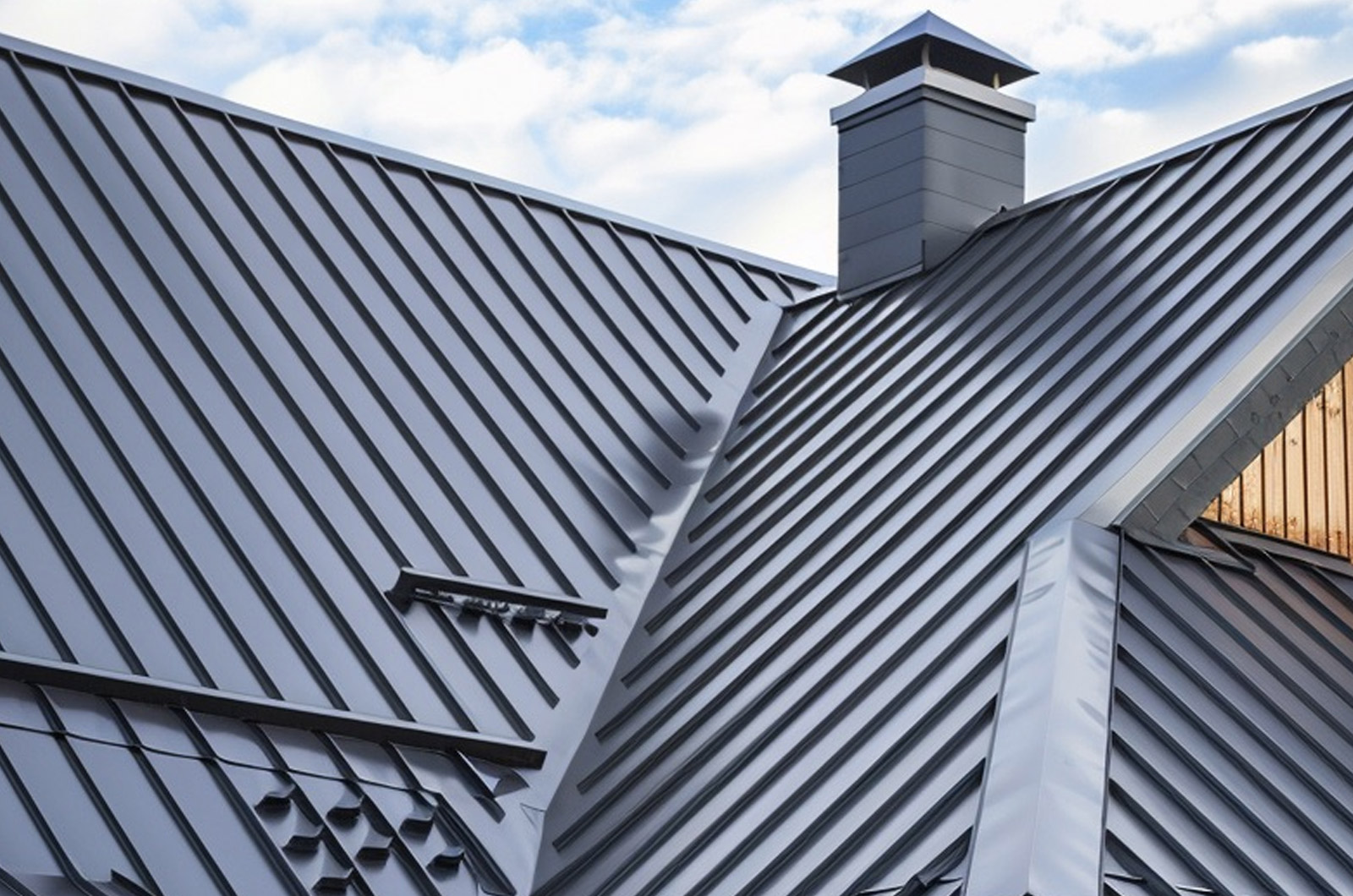
Metal roofs often shed debris and moisture better than shingle roofs, but that does not mean they are maintenance-free or can be cleaned the same way.
Metal roofing can still collect buildup, especially near seams, fasteners, transitions, lower sections, and beneath nearby trees. Dirt, organic residue, bird droppings, and staining can all become issues over time.
Common Issues With Metal Roofs
-
Dirt and environmental film
-
Pollen and dust buildup
-
Debris near seams or roof transitions
-
Bird droppings
-
Surface staining or residue
-
Localized buildup below overhanging trees
What Metal Roofs Usually Need
Metal roofs often benefit from gentler cleaning methods that remove surface buildup without scratching or damaging the finish.
The main priorities are usually to:
-
Clean residue without abrasion
-
Avoid damaging protective coatings
-
Pay attention to seams, fasteners, and runoff patterns
-
Remove buildup before it starts affecting appearance or drainage
What to Avoid on Metal Roofs
-
Abrasive scrubbing
-
Tools or methods that scratch the finish
-
Harsh cleaning that may damage protective coatings
-
Assuming metal roofs do not need maintenance at all
Metal roofs may not collect moss the same way composition roofs do, but they still benefit from material-appropriate cleaning.
Synthetic or Composite Roofs
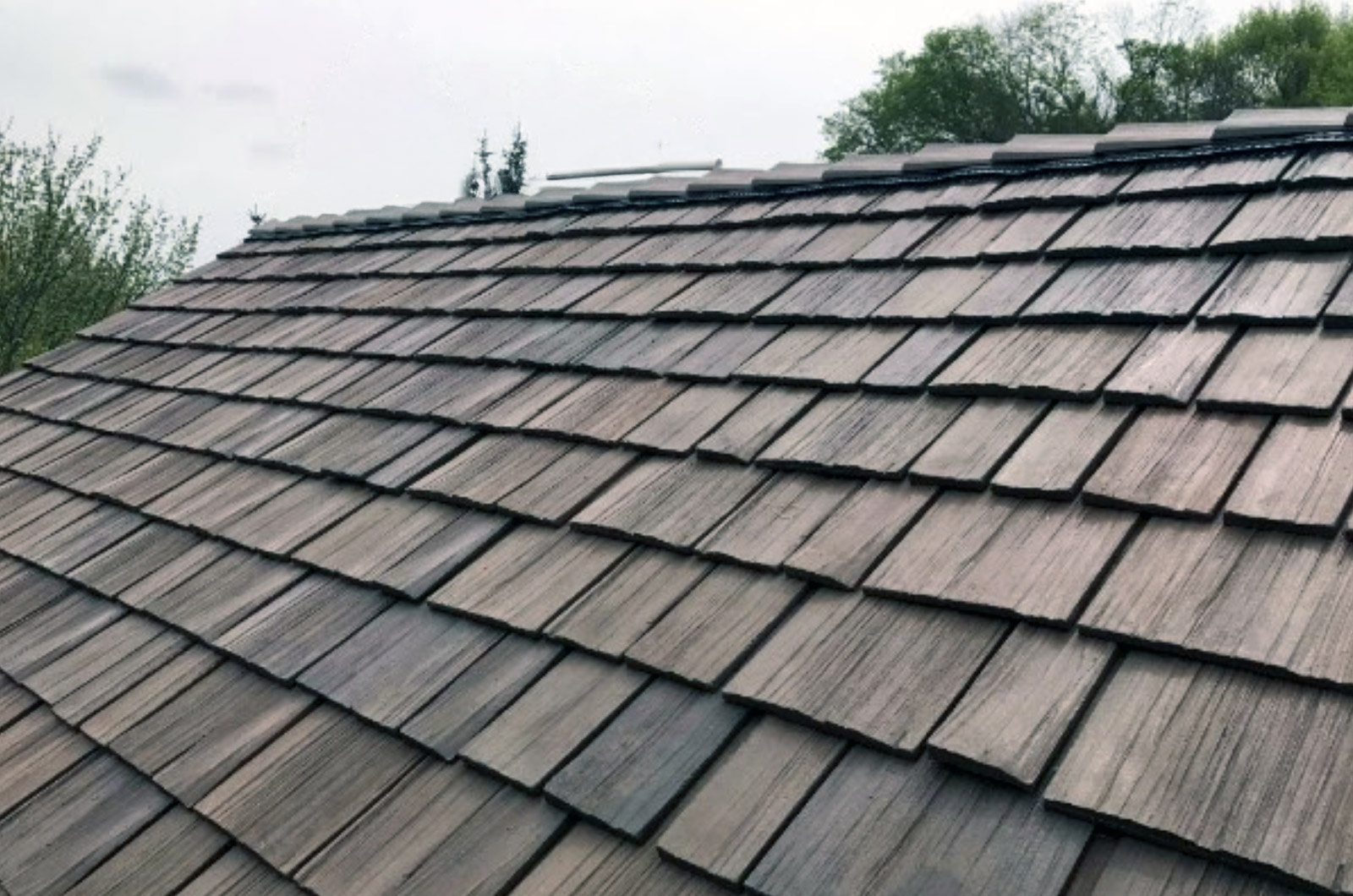
Synthetic or composite roofs can include materials designed to mimic slate, shake, or other premium roof styles. These roofs often perform differently from standard asphalt shingles, which is why cleaning them should not be treated as a one-size-fits-all process.
One of the biggest considerations with synthetic roofing is using methods that fit the specific material and the manufacturer’s general care expectations.
Common Issues With Synthetic or Composite Roofs
-
Surface grime
-
Organic buildup in textured areas
-
Moss or algae in shaded sections
-
Debris around valleys, chimneys, or transitions
-
Uneven buildup where water dries slowly
What Synthetic or Composite Roofs Usually Need
Synthetic roofs often respond best to gentle, roof-safe cleaning methods that remove buildup without stressing the surface.
That usually means:
-
soft, controlled cleaning
-
attention to textured or debris-prone areas
-
avoiding unnecessary abrasion
-
keeping drainage paths and valleys cleaner
What to Avoid on Synthetic or Composite Roofs
-
Overly aggressive cleaning
-
Abrasion that could wear or mark the surface
-
Assuming the roof can be treated exactly like asphalt shingles
-
Using products or methods without considering material compatibility
Because synthetic roofs vary, it is especially important not to assume all “composite” roofing should be cleaned the same way.
Which Roof Types Need the Most Caution?
Every roof benefits from care, but some roof types are less forgiving of the wrong method.
Asphalt Shingles Usually Need the Most Caution Around:
-
Pressure
-
Scraping
-
Granule wear
-
Surface damage from aggressive cleaning
Metal Roofs Usually Need the Most Caution Around:
-
Scratching
-
Finish damage
-
Seams and fasteners
-
Residue buildup in overlooked areas
Synthetic or Composite Roofs Usually Need the Most Caution Around:
-
Material-specific compatibility
-
Surface marking
-
Overcleaning
-
Assuming generic methods are always safe
The safest cleaning approach depends less on what is fastest and more on what protects the roof material best.
What Buildup Matters Most on Each Roof Type?
Different roof materials tend to have different trouble spots.
On Asphalt Shingle Roofs
The main concerns are usually moss, algae staining, trapped debris, and moisture-prone sections.
On Metal Roofs
The main concerns are often dirt film, staining, bird droppings, and buildup around seams or transitions.
On Synthetic Roofs
The main concerns are usually textured-surface buildup, debris collection, localized moss or algae, and choosing a method that does not harm the surface.
That is why homeowners should not compare roofs only by how dirty they look. The type of buildup and the material underneath both matter.
Questions Homeowners Should Ask Before Cleaning Any Roof
Before cleaning a roof, it helps to ask a few simple questions:
-
What roofing material is on the home?
-
Is the planned cleaning method safe for that material?
-
Is the goal general cleaning, moss treatment, stain reduction, or all three?
-
Are there shaded or debris-heavy sections that need extra attention?
-
Does the roof have finish, texture, seams, or components that need special care?
These questions help avoid the most common mistake: using a method that sounds effective in general but is a poor fit for the actual roof.
Why One Roof Cleaning Method Does Not Fit Every Home
Two homes in the same neighborhood can have completely different cleaning needs if the roofs are made of different materials.
One may need a very gentle approach to protect shingles. Another may need finish-safe cleaning for metal. Another may need more tailored treatment because of a synthetic surface or textured design.
That is why material-specific cleaning matters. A roof can be cleaned safely and effectively — but only if the method respects what the roof is made of.
Final Thought
Roof cleaning is not just about what is on the roof. It is also about what the roof is made of.
Asphalt shingles, metal roofing, and synthetic or composite roofs all have different cleaning needs, different risks, and different maintenance priorities. The best cleaning method is usually the one that removes buildup while protecting the material underneath.
If you want a broader look at roof-safe service, visit our roof cleaning service page. If you are also trying to understand what service scope usually includes, it may help to read what roof cleaning includes and what it usually doesn’t.
FAQs
-
No. Different roofing materials have different cleaning needs, and the safest method for one roof may not be the right choice for another.
-
Yes. Asphalt shingle roofs are usually more sensitive to pressure, abrasion, and scraping because those methods can wear down the roof surface and disturb granules.
-
Yes. Metal roofs often need gentler cleaning that protects the finish and avoids damage to seams, fasteners, or protective coatings.
-
Not always. Synthetic or composite roofs can have different surface characteristics, so they often need material-conscious cleaning rather than assuming the same approach used for asphalt shingles.
-
Roof material matters because each type handles pressure, abrasion, moisture, and buildup differently. Cleaning should remove the problem without causing damage to the roof itself.